There is a peculiar rhythm to the stock market — a flow that can be calm one moment and subtly disrupted the next, like a melody shifting key. Sometimes the chord that changes everything is not a sudden note, but a new harmony introduced into the stream of investor expectations. That seems to have been the case this week after a major development in artificial intelligence and the music industry prompted an ebb and flow in market sentiment around one of the sector’s most prominent players.
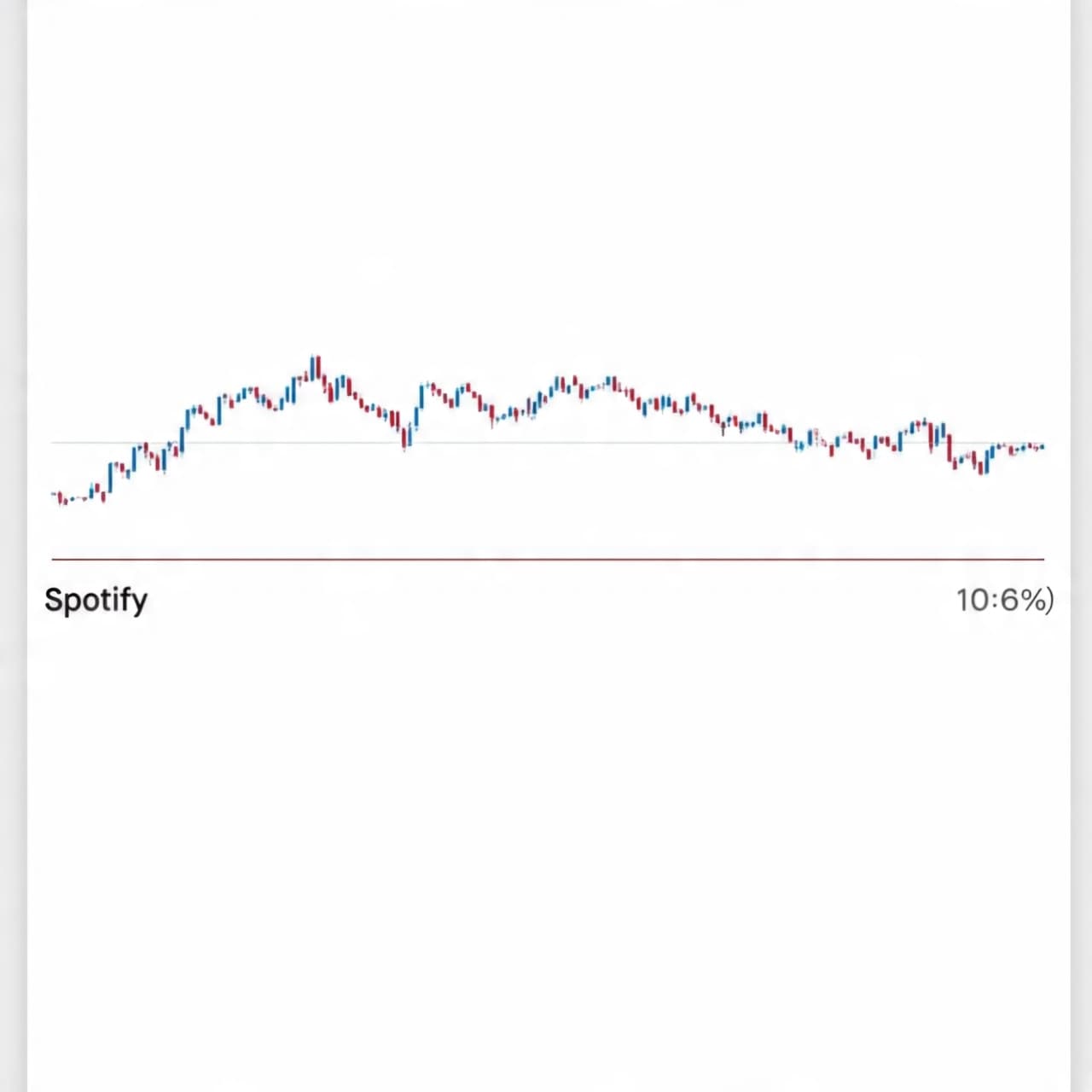
Shares of Spotify saw a notable swing in trading following the announcement that Google had unveiled new AI-powered music generation capabilities for its Gemini artificial intelligence platform. As investors digested the implications of this expanded AI feature — which allows the creation of original music tracks using text prompts or uploaded images — early market reaction reflected a mix of uncertainty and reassessment.
Stock movements in today’s markets often mirror sentiment as much as fundamentals. On Wednesday morning, Spotify’s share price initially climbed, buoyed perhaps by broader optimism or residual strength in the music streaming sector. But within minutes, the gains were erased, and the stock settled at a more modest increase. That reversal came as traders weighed the potential competitive impact of AI-driven music creation tools emerging outside traditional streaming models.
At the heart of the reaction is investor uncertainty about how generative AI could reshape parts of the music industry. Tools that allow users to craft short, original compositions — complete with vocals and instrumental arrangements — could conceivably influence listening habits, content creation, and the ways audiences discover and interact with music. While Spotify remains a dominant platform with deep engagement and established monetization, the arrival of music generation in adjacent ecosystems has raised questions about shifting dynamics.
Not every analyst sees only risk in the new AI landscape. Some industry observers suggest that innovation in music technology may ultimately benefit Spotify by expanding the range of experiences tied to streamed audio. Generative AI, they argue, could drive increased user engagement or provide new product pathways when integrated thoughtfully within existing platforms. Yet, at least in the short term, market reaction has reflected a cautious and mixed sentiment.
For Spotify and other streaming providers, the broader context includes ongoing investments in AI and personalized discovery features. These efforts aim to keep users engaged and differentiate services in a competitive field where innovation cycles accelerate rapidly. At the same time, the prospect of more content being generated outside linear release models introduces fresh considerations for rights management, curation, and platform strategy.
In gentle business terms, Spotify’s stock retraced earlier gains after Google unveiled enhanced AI music features within its Gemini platform, reflecting investor uncertainty about how new generative tools may influence established streaming businesses. Despite initial volatility, broader analyst views remain varied, with some seeing long-term opportunities alongside short-term disruption.
AI Image Disclaimer Visuals are created with AI tools and are not real photographs.
Sources (Media Names Only)
Investing.com (via Reuters) Reuters TipRanks Bloomberg The Fly
Published by Banx Network. This article is part of the Banx decentralized media programme, powered by the BXE token on the XRP Ledger.