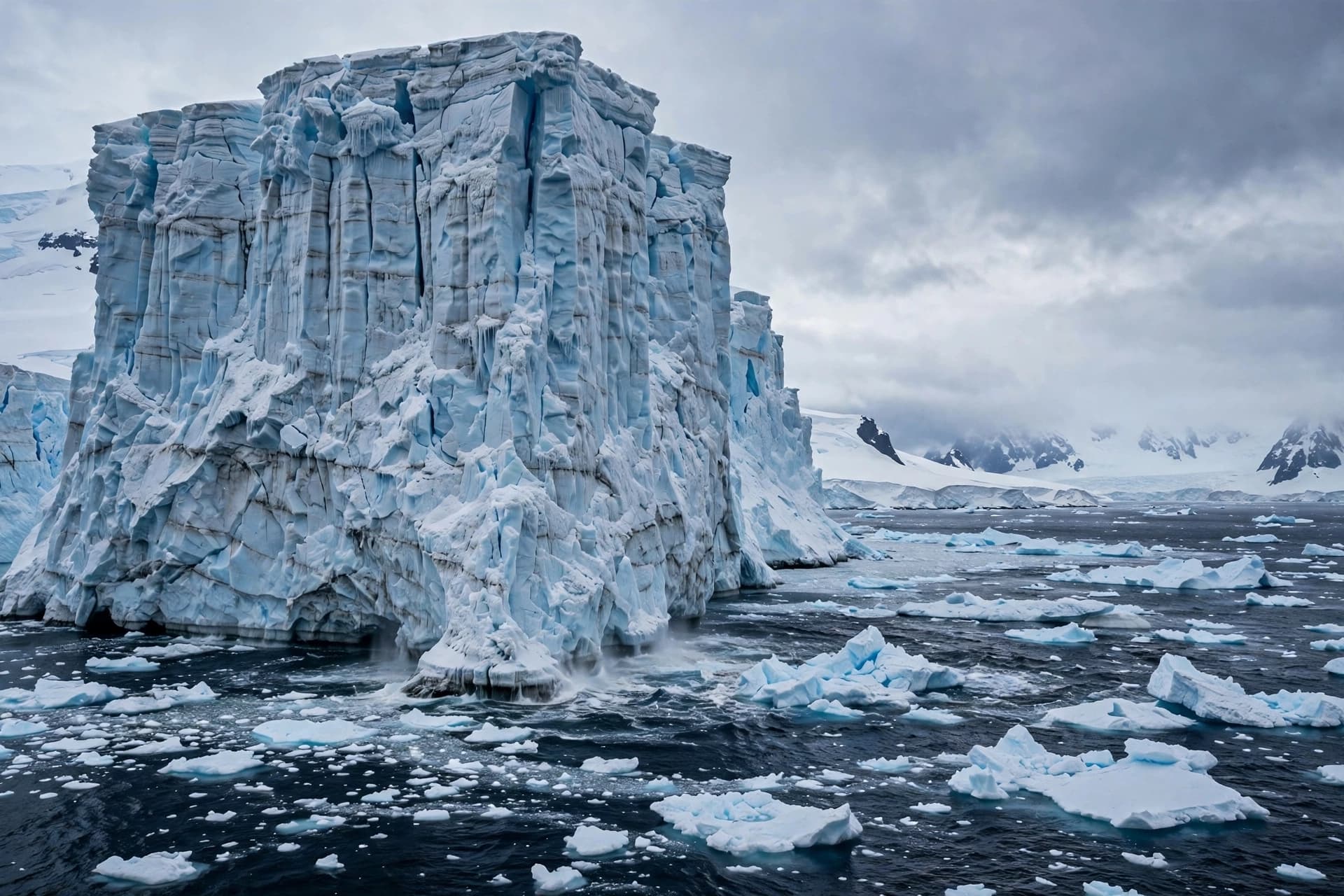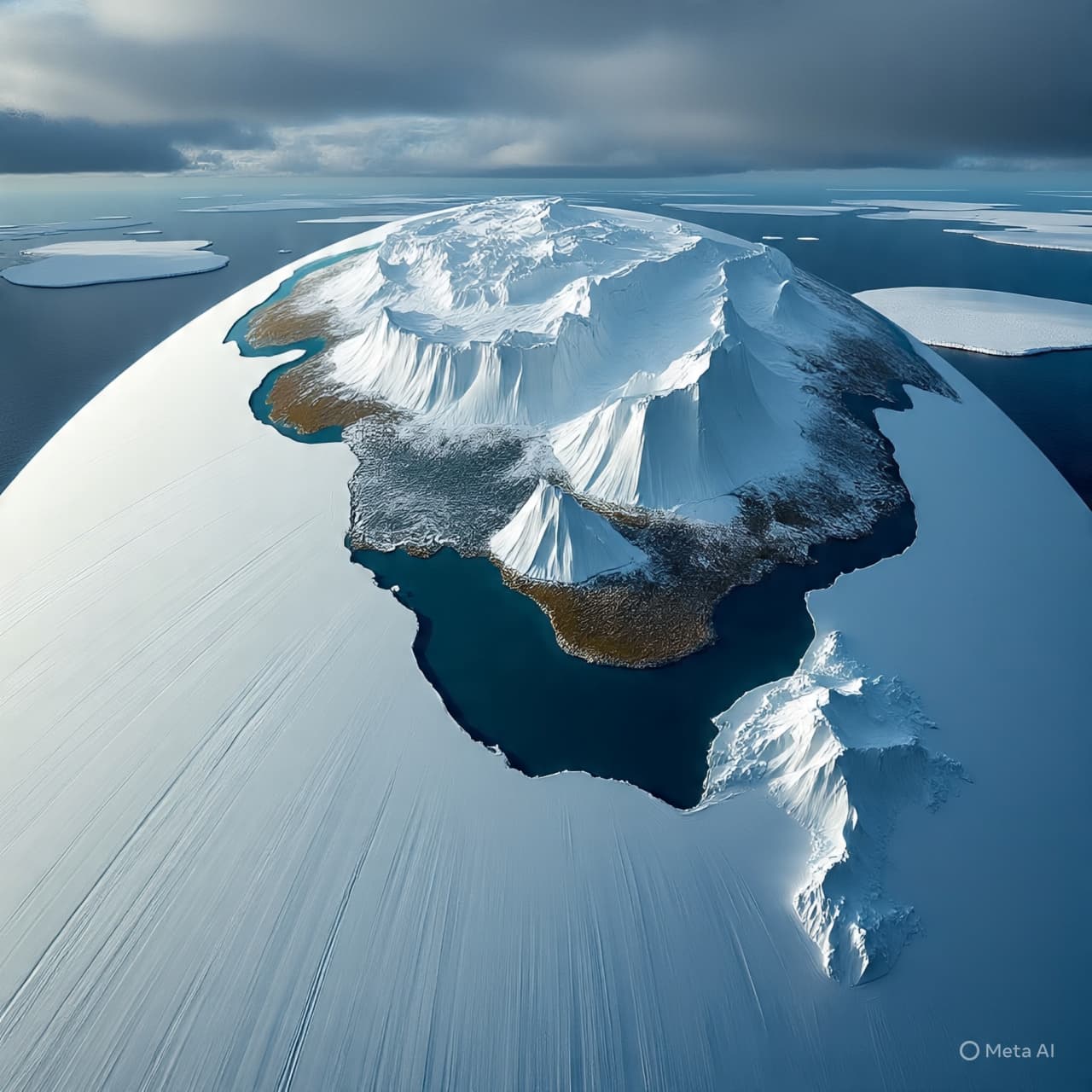
There was a time when Earth, by most accounts, became nearly unrecognizable — a world wrapped in ice from pole to equator, its oceans sealed beneath a frozen shell. This era, known as , unfolded more than 600 million years ago, long before forests or animals reshaped the continents. It has often been imagined as a planet in climatic suspension, locked into a deep freeze with little motion beyond slow geologic time. Yet ancient rocks now suggest that even in that frozen stillness, Earth’s climate system may have continued to stir beneath the surface.
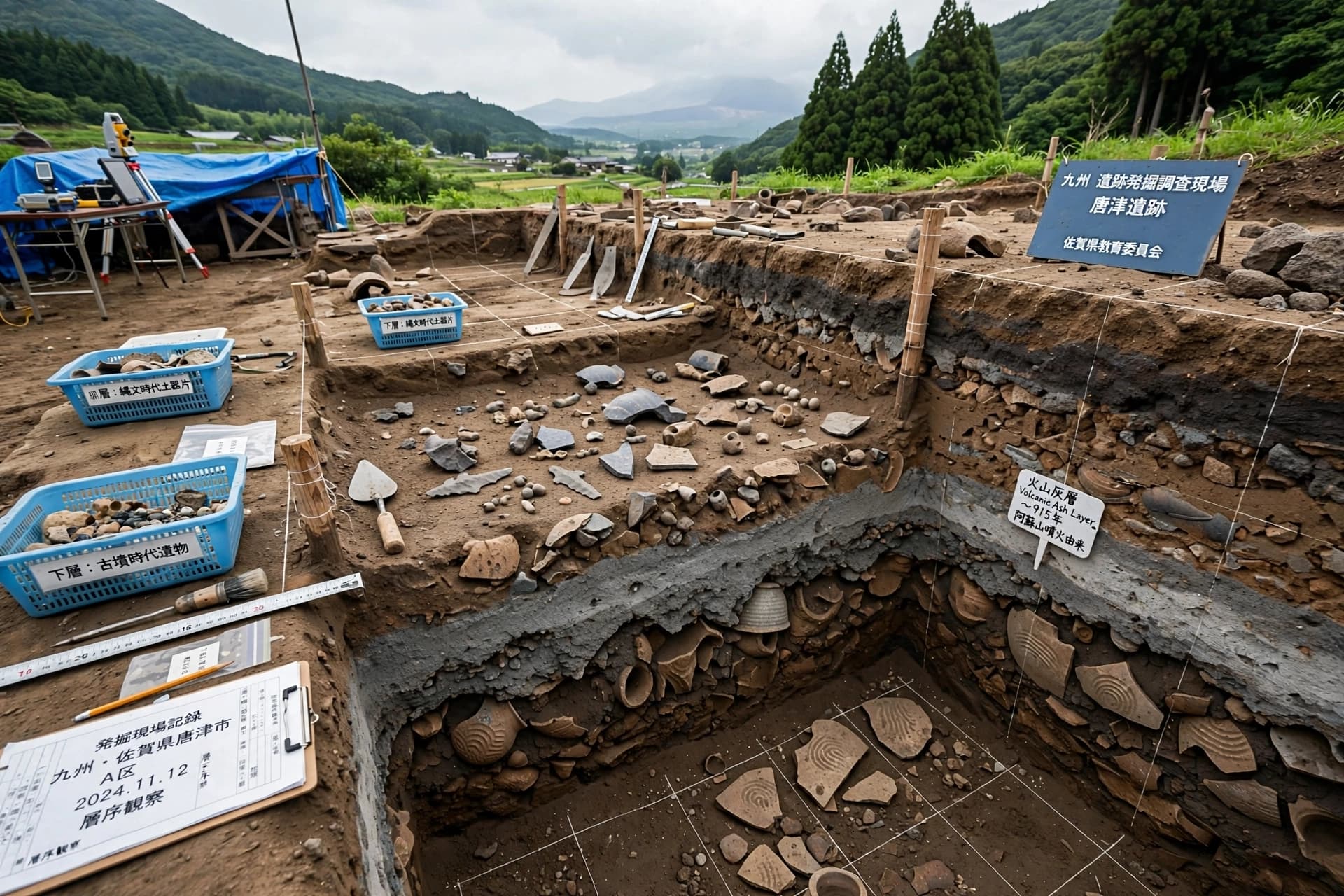
Recent geological analyses of sedimentary formations dating back to the Neoproterozoic Era reveal subtle patterns that point to dynamic processes occurring during these extreme glaciations. Researchers examining rock layers formed under or near ancient ice sheets have identified structures consistent with shifting ocean currents and episodic melting events. Rather than a motionless block of ice, the planet may have sustained pockets of open water and active circulation beneath or within its frozen oceans.
Snowball Earth refers to at least two major glaciation events — the Sturtian and the Marinoan — when global temperatures plummeted and ice extended across much of the planet’s surface. The prevailing question for decades has been whether Earth was entirely frozen solid, sometimes described as a “hard” Snowball, or whether equatorial regions retained thin belts of open water in a “slushball” configuration. The new rock evidence contributes to this debate by suggesting that climate feedbacks and ocean dynamics persisted even under severe ice cover.
In particular, sedimentary ripple marks and chemical signatures embedded within ancient marine rocks indicate that water movement did not cease. These patterns imply that beneath the ice, ocean currents may have continued to circulate heat and nutrients, preventing complete stagnation. Such circulation would have profound implications for early life, which depended on chemical exchanges in marine environments.
Geochemical markers, including isotopic ratios preserved in carbonate rocks, further hint at episodic carbon cycling during the glacial intervals. Rather than a static system, Earth’s atmosphere and oceans may have undergone fluctuations that gradually built toward the dramatic warming events that ultimately ended the ice ages. Volcanic emissions of carbon dioxide are thought to have accumulated over millions of years, eventually triggering a powerful greenhouse rebound that melted the global ice cover.
The new interpretations do not overturn the fundamental understanding of Snowball Earth but add nuance to its narrative. Instead of picturing a planet locked in inert stillness, scientists now consider the possibility of a climate engine operating beneath the ice — subdued, perhaps, but not extinguished. This hidden motion may have been critical in preserving marine ecosystems and preparing the stage for the evolutionary expansion that followed.
Indeed, the end of Snowball Earth preceded a remarkable chapter in biological history: the rise of complex multicellular life during the Ediacaran Period. Some researchers speculate that the extreme environmental pressures and subsequent thaw may have influenced evolutionary innovation. While such connections remain under study, they underscore the intimate link between climate systems and life’s trajectory.
Ancient rocks, silent for hundreds of millions of years, continue to serve as Earth’s archive. Within their layered structures lie records not only of freezing temperatures but of resilience and adaptation. The emerging picture is one of a planet capable of enduring extremes without surrendering entirely to stillness.
As geologists refine their analyses and compare findings from multiple continents, the story of Snowball Earth grows more intricate. The frozen world was not devoid of motion; it pulsed quietly beneath the ice, preserving currents of change that would eventually reshape the planet. In that deep winter of Earth’s past, climate did not simply pause — it endured, transformed, and prepared the way for renewal.
AI Image Disclaimer Graphics are AI-generated and intended for representation, not reality.
Sources Nature Science BBC News Reuters NASA
Published by Banx Network. This article is part of the Banx decentralized media programme, powered by the BXE token on the XRP Ledger.