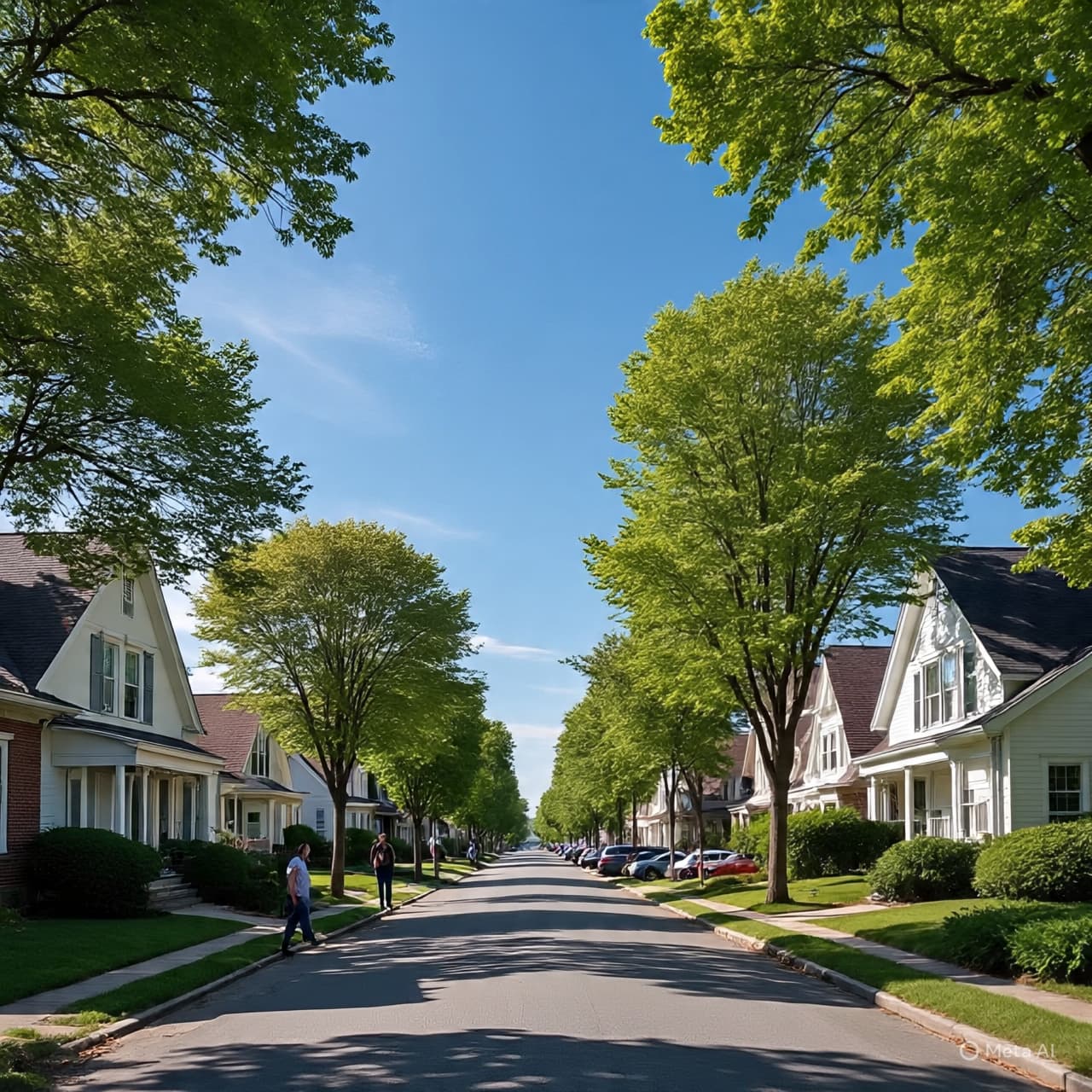
In every community, homes carry stories — of weekend breakfasts and late-night talks, of first steps and quiet returns after long days. Yet behind the warmth of those memories lies another dimension: the numbers on mortgage statements, the tangled relationship between purchase price and current market value. Often unseen, these figures can shift like weather, gently at first, then unmistakably.
Today, approximately 1.1 million U.S. homeowners owe more on their mortgages than their homes are currently worth, marking the highest level in seven years. The phenomenon, known as being “underwater,” happens when home values stall or decline even as loan balances remain firm — a situation more common in recent seasons as home price growth has softened in many regions of the country. Though the share of underwater homes remains lower than during past downturns, this rise reflects uneven recovery across markets and highlights the complex balance of housing wealth and financial stability.
For many who bought at the height of home price runs or used low down-payment loans, the experience can be disquieting. Owing more than a home’s current value can limit mobility and complicate plans to sell, refinance, or use equity for other needs. Yet experts caution against viewing negative equity as a crisis in itself. Markets tend to be cyclical, and remaining in a home while equity gradually improves can be a sound strategy, especially if there is no immediate need to relocate.
Financial advisers urge a thoughtful approach rooted in each homeowner’s goals. One commonly recommended step is to stay current on mortgage payments and monitor market trends, allowing homeowners to ride out periods of slower price movement while equity potentially rebounds. Others suggest exploring refinancing options or loan modifications if lower interest rates or improved terms are available, though eligibility can depend on individual financial profiles and lender policies. For some, creative strategies such as renting out part of the home or converting a property to generate income may offer breathing space while market conditions evolve.
Housing experts emphasize that today’s scenario differs materially from the housing crisis of the late 2000s. Lending standards are generally tighter now, with stronger credit assessments and regulatory oversight, reducing the risk of sudden defaults and widespread foreclosures. Moreover, many homeowners retain substantial equity overall, and homeownership continues to be the most common pathway to long-term wealth creation for U.S. families.
While negative equity may feel unfamiliar to those who have not lived through it before, advisors encourage a patient view. Housing markets ebb and flow, and short-term dips do not necessarily predict long-term decline. For many underwater homeowners, staying put and waiting for gradual price recovery remains a viable course. Refinancing at a lower rate when possible can also ease monthly costs. Working with counselors or financial planners who specialize in home equity situations can reveal tailored paths that align with each family’s circumstances.
In gentle terms, experts recommend that homeowners affected by negative equity avoid impulsive decisions, evaluate available options calmly, and seek guidance on refinancing or restructuring loans if beneficial. Staying current on payments and consulting with housing counselors can help protect credit and reduce financial stress. The broader housing market shows signs of gradual stabilization, and shifting economic conditions — including modest price growth and improving affordability forecasts — may support future equity gains.
AI Image Disclaimer “Visuals are created with AI tools and are not real photographs.”
Sources MarketWatch National Mortgage Professional Bankrate Realtor.com Other housing market trend reports
Published by Banx Network. This article is part of the Banx decentralized media programme, powered by the BXE token on the XRP Ledger.