Beneath the warm, green canopy of a tropical forest or shimmering over a sun-baked plain, the air often feels like a soft breath of summer. Now, imagine that same air growing warmer still, not just a degree or two, but in a dance that outpaces the steady horizon of the nearby sea. A recent study that peers deep into Earth’s ancient past suggests that, during a period millions of years ago that may mirror our own warming world, the land in tropical regions warmed far more dramatically than the oceans beside it. Like a lake that warms quicker under morning light than the deep waters of an adjacent bay, tropical land appears poised to respond to rising carbon dioxide with its own vivid warmth.
Scientists led by Lina Pérez-Ángel examined sediments from a long-buried lake basin in the Colombian Andes — a natural archive of Earth’s climate history. These sediments, layered like rings of a giant tree, hold molecular fossils that encode temperature information from a time known as the Pliocene, roughly 2.5 to 5 million years ago, when atmospheric carbon dioxide levels were similar to those of today. By decoding chemical signatures preserved in ancient lake mud, researchers built a portrait of how the air above tropical land once felt as the planet warmed.
What they found was striking. While the global ocean surface warmed by about 1.9 °C during that ancient warm period, the nearby tropical land warmed by nearly twice that amount — about 3.7 °C. In other words, the land’s response to warmth was not a quiet echo of the ocean’s change, but rather a vivid amplification, like a canyon brightening more quickly than the river that carved it.
The reasons for this amplification are complex, intertwining the physics of water and air, elevation and circulation patterns. One factor may have been persistent El Niño-like conditions in the tropical Pacific during that era, which tends to concentrate heat over landmasses. In modern times, El Niño events already bring pronounced warmth and drought to parts of the tropical Andes, hinting that the past and the present may share climatic rhythms that shape how land and sea diverge in temperature.
This new evidence adds a textured layer to our understanding of future warming. Tropical regions are home to nearly 40 % of the world’s people, and they encompass ecosystems and livelihoods already adapted to warm conditions. If the land warms more intensely than the oceans as carbon dioxide continues to rise, communities across the tropics could face heat stress and environmental changes greater than current global averages might suggest.
At the heart of this research lies a reminder that climate change is not uniform. Much as a field warms differently than the adjacent sea at sunrise — shaped by surface, shade, and exposure — the land and ocean respond to greenhouse gas forcing with their own rhythms. For the tropics, these rhythms may soon compose a warmer reality than many models have captured.
In the gentle uncovering of sediments laid down millions of years ago, scientists are piecing together how Earth’s climate system distributes the heat of change. The findings offer not a prediction of certainty but a nudge toward deeper understanding — that in a warmer world, the warmth felt on land and sea may not rise in equal measure, and that tropical landscapes could absorb more of that warmth than once thought.
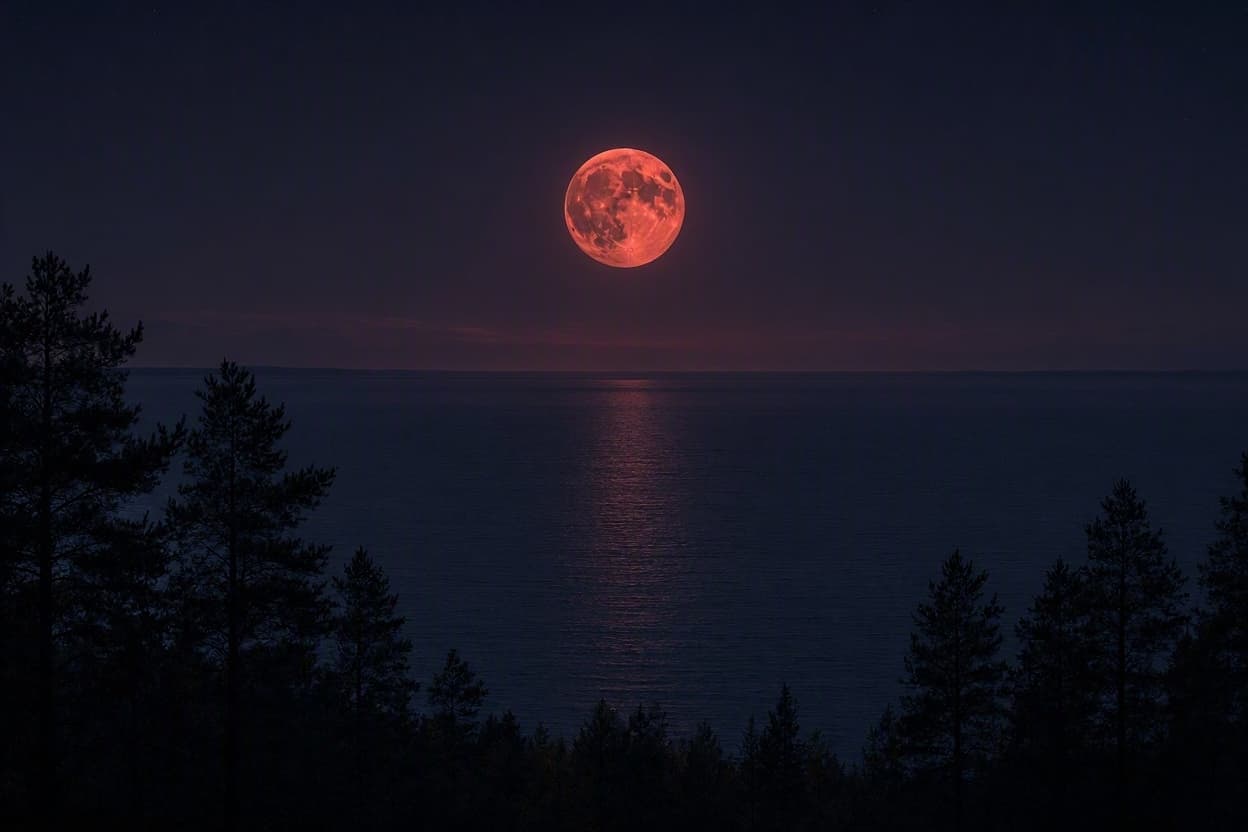
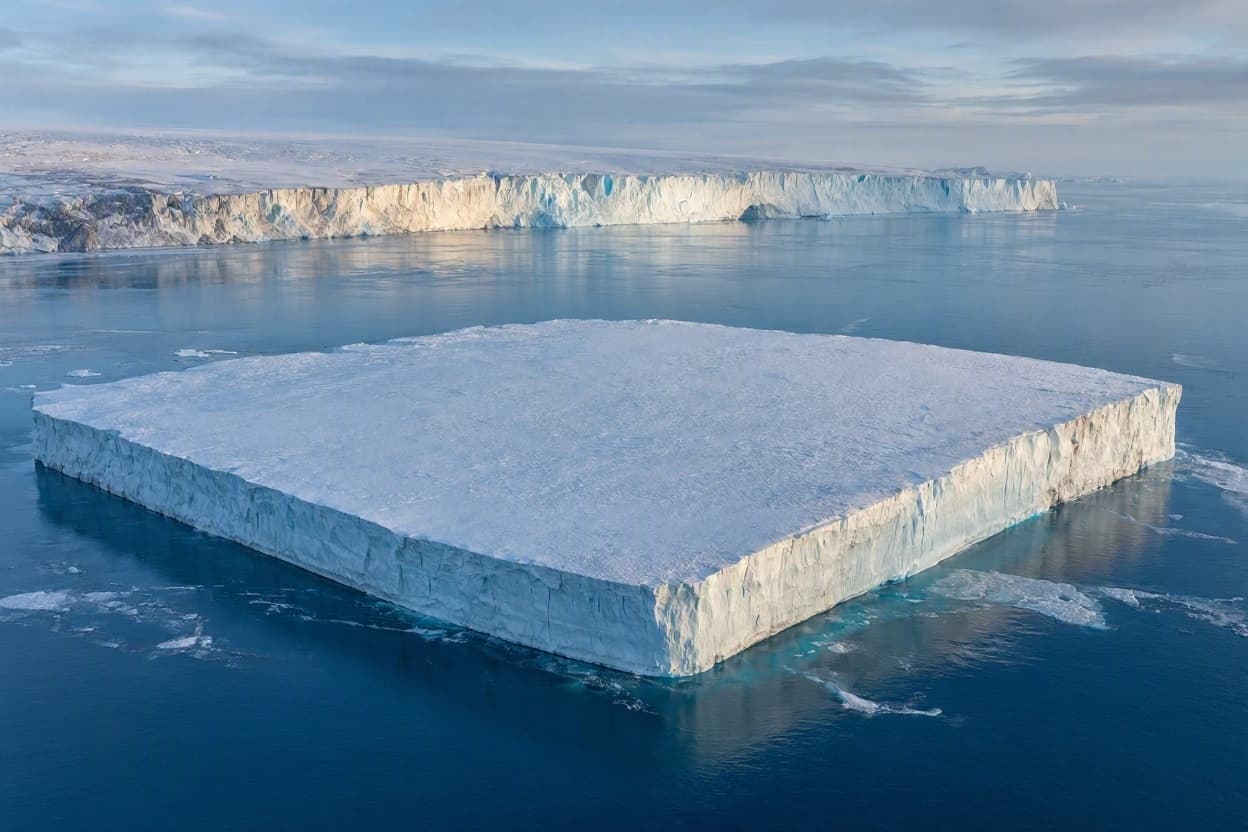
AI Image Disclaimer Graphics are AI-generated and intended for representation, not reality.
Sources
Phys.org Brown University News CU Boulder Today Mirage News Proceedings of the National Academy of Sciences (publication reporting)
Published by Banx Network. This article is part of the Banx decentralized media programme, powered by the BXE token on the XRP Ledger.