There are few moments in medicine as quietly profound as the ritual of screening — a woman entering a clinic, laying still beneath a machine meant to glimpse shadows before they become storms. For decades, this has been the rhythm of breast cancer prevention: annual mammograms beginning at a set age, a cadence that has offered comfort and clarity to many. But now, that rhythm is being gently questioned, not with alarm, but with curiosity and careful evidence, like a slow wind urging a familiar tree to bend just a little.
Recent research suggests that the standard practice of one-size-fits-all mammography may not be the best compass for every woman’s journey. In a large national trial, scientists found that personalized, risk-based approaches — tailoring the timing and type of screening to a woman’s genetic profile and individual risk factors — could detect cancer as effectively as traditional annual mammograms, and potentially even save more lives by catching the disease early in those at higher risk.
The heart of the shift lies in understanding that breast cancer is not monolithic. Factors like family history, lifestyle, and even subtle genetic markers tell a more nuanced story about who might benefit from more frequent imaging and who might not need it yet. In the trial led by researchers at UCSF, women whose screening was based on these broader risk profiles experienced outcomes comparable to standard screening, without increasing the frequency of advanced cases.
Another frontier of change rests in technology’s gentle but persistent advance. Artificial intelligence, a “second set of eyes,” has shown promise in supporting radiologists by spotting subtle abnormalities that might be missed in routine readings. Large trials in Sweden and other settings suggest AI-supported screening improves early detection and reduces the number of aggressive cancers found between scheduled screens, offering another layer of precision to the traditional model.
This reexamination does not negate the life-saving history of mammograms — decades of data show that women whose cancers are found through screening tend to face earlier stages of disease and better outcomes than those diagnosed after symptoms appear. Rather, the current scientific conversation nudges the medical community toward a more tailored approach: one that sees screening not as a uniform march but as a carefully choreographed dance, sensitive to each individual’s risk and biology.
Not all experts are uniform in their embrace of change, and debates about cost, access, and the best way to communicate risk persist within the radiology and oncology fields. But what unites researchers — from UCSF to UCLA to Sweden’s landmark trials — is a shared recognition that medicine benefits when it listens closely to data and to the lived experiences of patients.
For women navigating decisions about their health, this evolving narrative offers both reassurance and invitation: reassurance that early detection continues to save lives, and invitation to ask deeper questions about how and when screening is done. As science learns more about the tapestry of risks each woman carries, the hope is that breast cancer screening can become not just effective, but thoughtfully personalized.
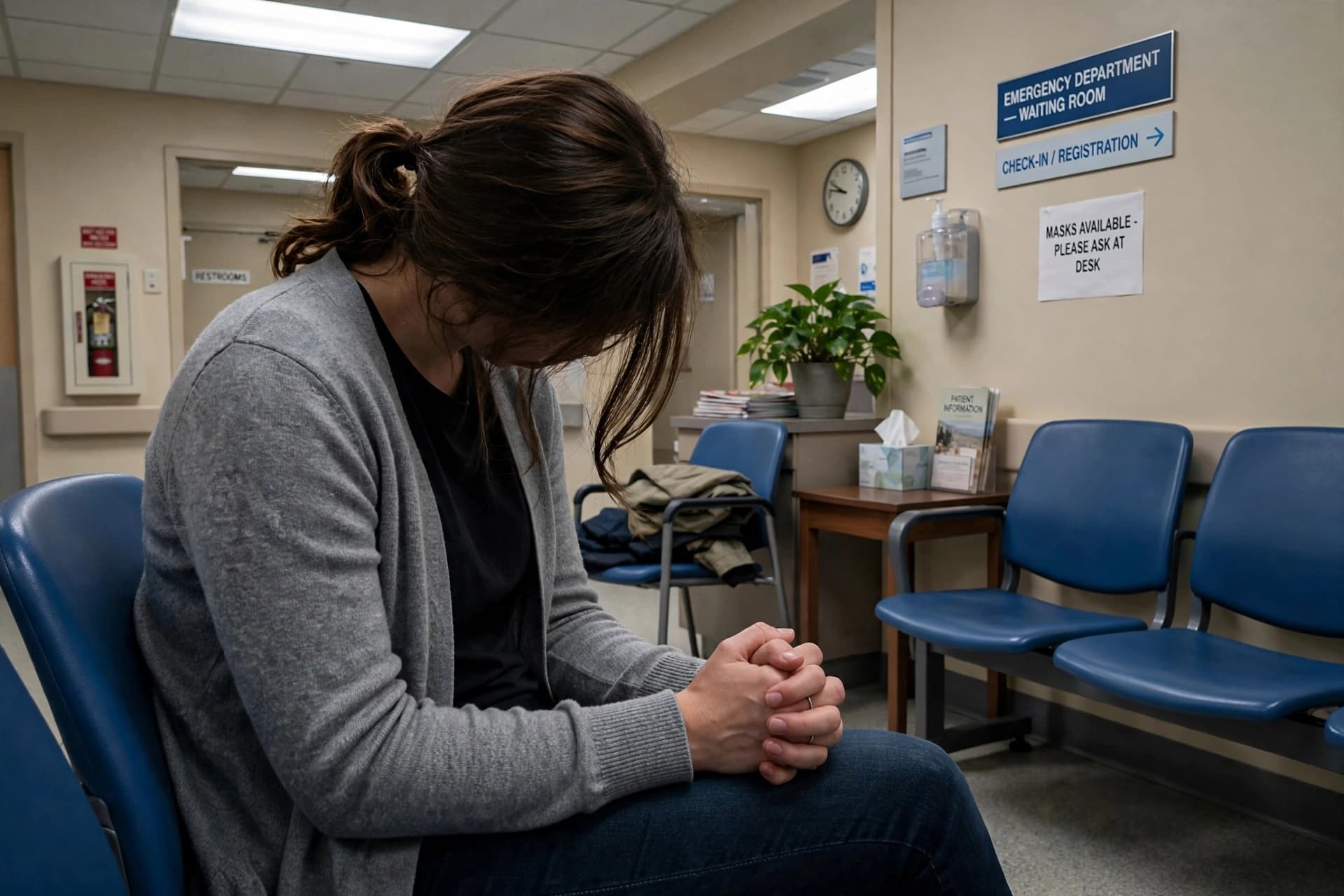
AI Image Disclaimer (Rotated Wording) Images accompanying this article are AI-generated visuals meant to represent concepts and are not actual clinical photographs.
Sources (Names Only) Washington Post UCSF Medical Research Swedish AI Mammography Trial UCLA Health Study
Published by Banx Network. This article is part of the Banx decentralized media programme, powered by the BXE token on the XRP Ledger.