In a sunlit conference room at Apple’s campus, the hum of servers and the calm of engineers at work might mask a deeper shift. For years, Apple has stood for integrated hardware and software, a fortress of self-reliance. Yet now, the company appears to be turning to a neighbour-rival: Google. The reported deal would have Apple paying roughly $1 billion annually for access to Google’s newly built Gemini model, a step that speaks to how rapidly the technology landscape is shifting.
What makes this alliance notable is the scale: Apple apparently evaluated models from multiple vendors — including Anthropic and OpenAI — before settling on Google’s offering, largely because it provided the right combination of size (reported 1.2 trillion parameters) and price-performance. The model would be used for Siri’s “summariser and planner” functions, meaning the heavy lifting of breaking down tasks and generating responses would be handled by this powerhouse AI, while other functions might remain Apple’s own.
For Apple, this move offers a way to leapfrog in the AI assistant race, where rivals like Google Assistant and Amazon’s Alexa have already made strides. By plugging into Google’s advanced model, Apple may accelerate its AI roadmap, giving users more capable voice interactions sooner rather than later. At the same time, Apple remains committed to eventually replacing this “outsourced brain” with its own in-house model — indicating the deal is meant as a bridge rather than a long-term strategy.
From Google’s perspective, the deal grants them deep placement into Apple’s ecosystem without having to build the user-interface, hardware or front-end themselves. It furthers their reach, even on devices not branded “Pixel”. Yet it also raises questions: Will Google’s AI model, used on Apple’s devices, still retain the advantage Google enjoys when using it on its own Android devices? Will Apple impose its own guardrails and thereby reduce the model’s capabilities relative to the version Google uses? Early reporting suggests Apple will run the model on its own “Private Cloud Compute” servers, limiting Google’s direct access to user data.
Metaphorically, one might say Apple is renting the brain of a champion athlete while training its own team in the wings. The athlete helps win games now, but the home-team hopes to develop its own stars for the future. The billion-dollar annual fee is steep, but in an AI arms race where scale and capability matter, it may be a necessary investment.
Still, the deal invites reflection. Apple has long championed privacy, control over hardware and software, and a closed ecosystem. Partnering with a rival for core AI capabilities shifts that narrative. It suggests that even the most self-reliant companies now see value in cooperation, at least temporarily. And it prompts a deeper question: how much of what we experience as “Apple” is actually powered by someone else’s architecture?
On the user side, the promise is compelling: a smarter Siri, able to summarise your day, suggest plans, anticipate complex requests — perhaps finally catching up to what many expected from the assistant years ago. But the user journey may also include trade-offs: how data is processed, how models are updated, and how seamless the transition will feel. Will it feel like an Apple experience or will it whisper “Google inside”?
This deal also reflects the realities of large-scale AI: building a model of a trillion parameters demands vast compute, talent, data and time. Apple’s decision to temporarily lean on Google underlines how challenging it is even for tech leaders to build everything in-house. The collaboration may thus serve as a case study in the new era of “AI infrastructure as commodity” — where even major firms rely on external models while they develop their own.
The emerging agreement between Apple and Google marks a notable chapter in the AI competition and cooperation story. As Apple prepares to pay roughly $1 billion per year for access to Google’s Gemini model to power a major revamp of Siri, it underscores both Apple’s urgency to catch up and the shifting dynamics of tech leadership. While this partnership may accelerate better-assistant experiences for users, it also raises questions about control, branding, and the future of Apple’s independent AI identity. The real test will come when the updated Siri rolls out and users judge whether the new brain behind their voice assistant feels genuinely better — and genuinely Apple.
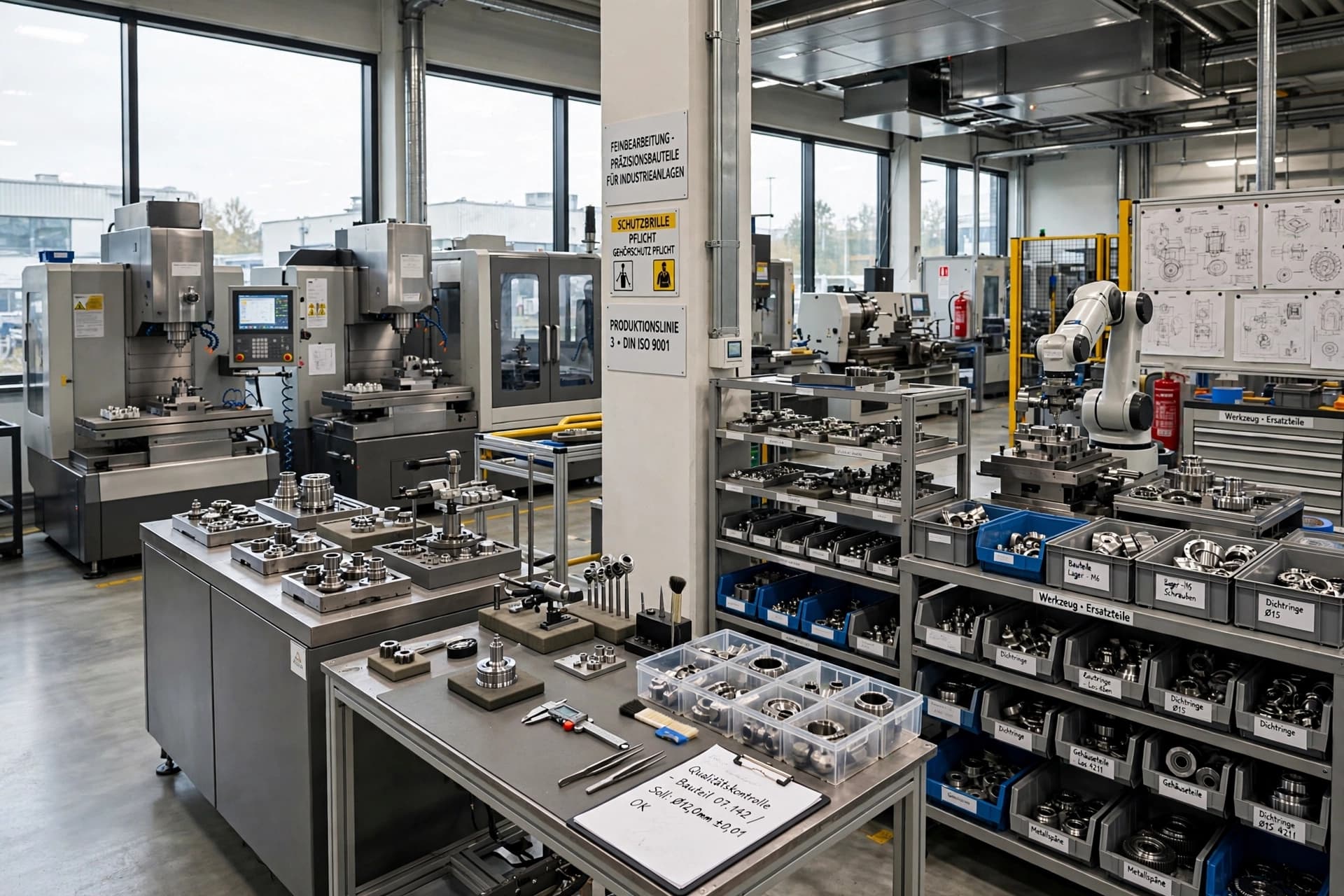
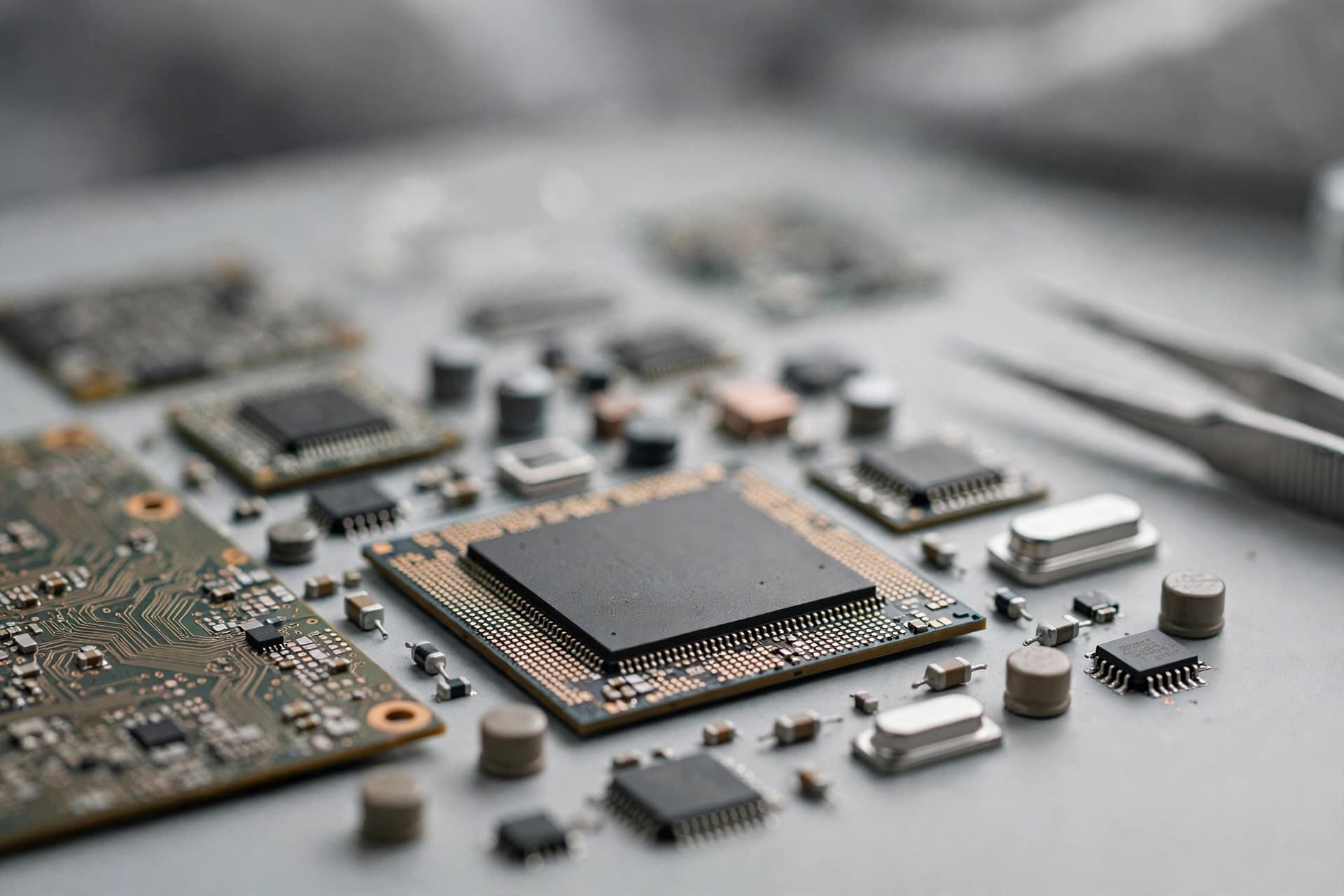
AI Image Disclaimer “Graphics are AI-generated and intended for representation, not reality.”
Sources Bloomberg The Verge TechCrunch Smartprix 9to5Mac
Published by Banx Network. This article is part of the Banx decentralized media programme, powered by the BXE token on the XRP Ledger.