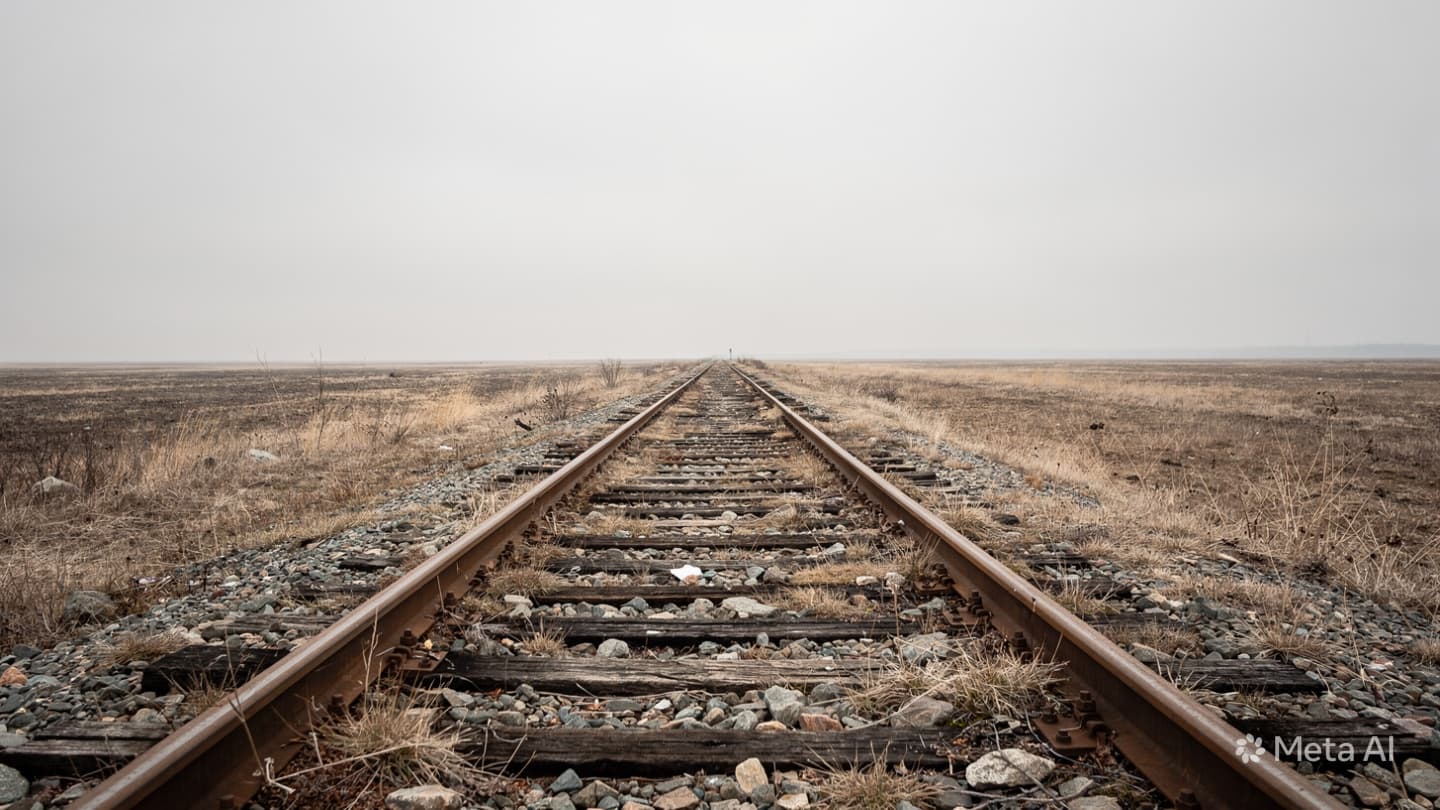
The rhythm of the rails is a constant, steady pulse that defines the Dutch landscape, a web of connectivity that spans from the city center to the furthest reaches of the countryside. Trains are the blood cells of our transit, carrying lives and narratives across the horizon with an efficiency that we often take for granted. Yet, there are spaces along the tracks that exist in the margins, where the machinery of maintenance takes precedence over the flow of passengers, and where the line between service and tragedy can, in a heartbeat, become impossibly thin.
When we consider the vast infrastructure required to keep the tracks open and the movement fluid, we rarely think of the heavy, specialized machines that toil in the shadows. These silent giants, designed for the rigorous upkeep of the rail bed, operate in a world apart from the commuters who traverse the lines. Near Malden, where the tracks curve through the pastoral frame of the Gelderland province, the unexpected arrival of an accident has pulled back the curtain on this hidden, industrial reality.
The collision involving a rail maintenance machine is not merely a technical failure; it is a profound rupture in the expected order of things. The machinery, built for precision and strength, becomes a vessel of sudden, irreversible force when it encounters the fragility of those who operate it. It is a stark reminder that even within the highly controlled, monitored environment of the railway, the human element—the subtle, manual nature of the labor—is where the most significant risks remain.
In the quiet hours of the night or the early dawn, when these machines move across the landscape, they seem to inhabit a different time. The atmosphere is one of focused utility, a singular purpose driven by the goal of infrastructure integrity. Yet, when something goes wrong, the silence of the tracks is replaced by the overwhelming, chaotic weight of an emergency. The scene becomes a focal point of investigation, a place where experts must parse the mechanics of the event to understand how the path went awry.
Reflection on such incidents requires us to look beyond the headlines and consider the people who work in these demanding conditions. They are the architects of our seamless journey, laboring to ensure that the iron veins of the country remain clear and true. When a life is extinguished in the pursuit of this maintenance, the irony is as sharp as it is cruel. The very infrastructure intended to facilitate movement becomes the site of a final stillness, a place where the work stops and the questioning begins.
The aftermath of such a collision is a period of intense scrutiny. The authorities arrive to document the wreckage, to measure the distances, and to interview the survivors, all in an effort to bring closure to a situation that feels inherently unresolved. It is a slow, methodical process that stands in contrast to the speed of the disaster. As the investigation progresses, the community of Malden is left to grapple with the reality that the familiar tracks on their doorstep have witnessed a profound loss.
As we look toward the findings of the safety boards and the official reports, we are reminded of the inherent dangers involved in heavy labor. The maintenance of our transit lines is a vital necessity, one that keeps the heart of the country beating, but it is not without its mortal toll. We must honor the weight of the work and the individuals who carry it out, even as we seek to improve the systems that govern their safety and prevent the recurrence of such sudden, dark departures.
The investigation into the circumstances surrounding the incident near Malden remains a priority for the regional authorities. It is understood that the fatal collision involved a rail maintenance vehicle, raising significant questions about operational safety protocols in the sector. As the analysis continues, the focus is placed on the technical and human factors that led to this tragic outcome on the tracks, providing a moment for the rail industry to pause and reflect on the risks of its essential work.
Published by Banx Network. This article is part of the Banx decentralized media programme, powered by the BXE token on the XRP Ledger.