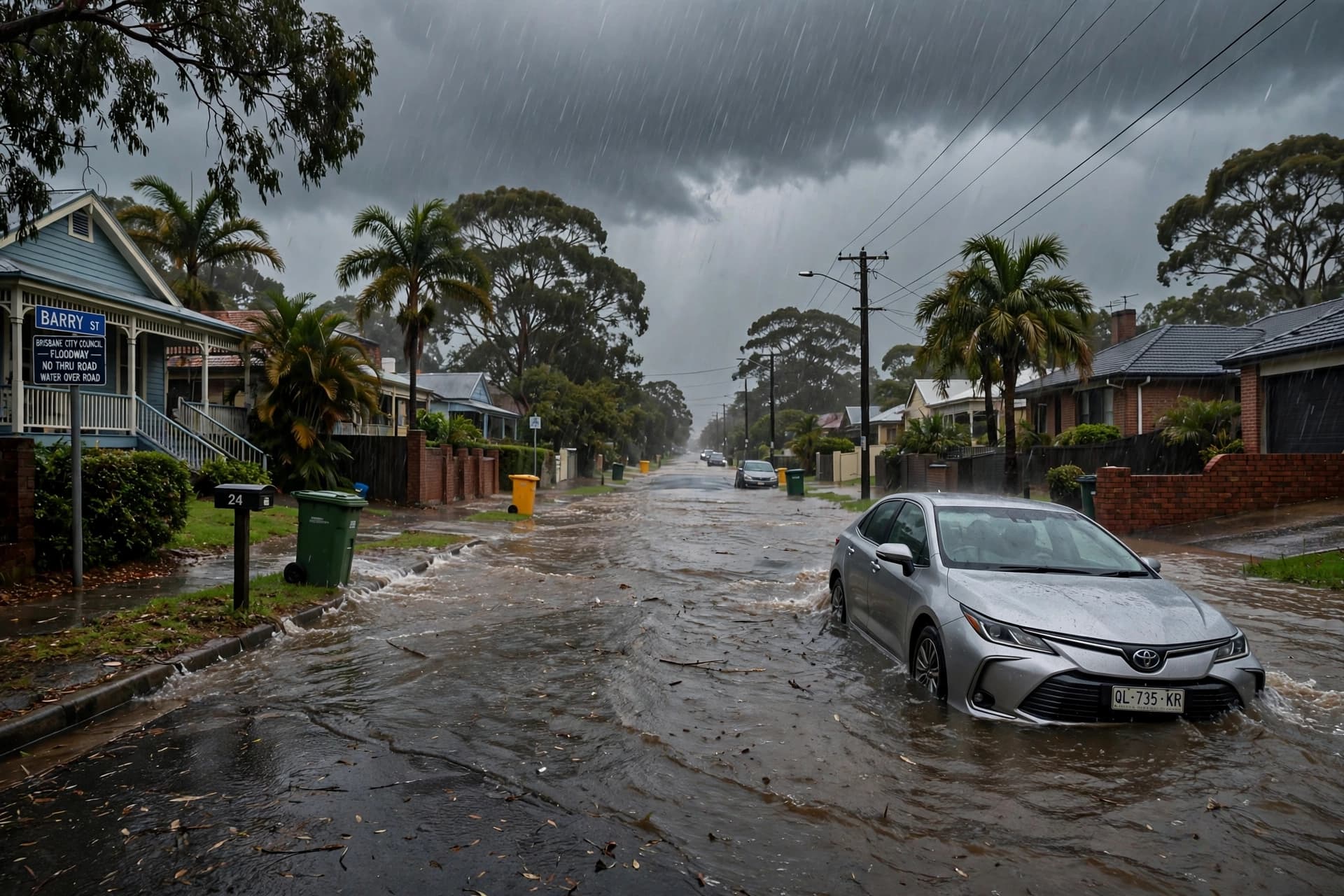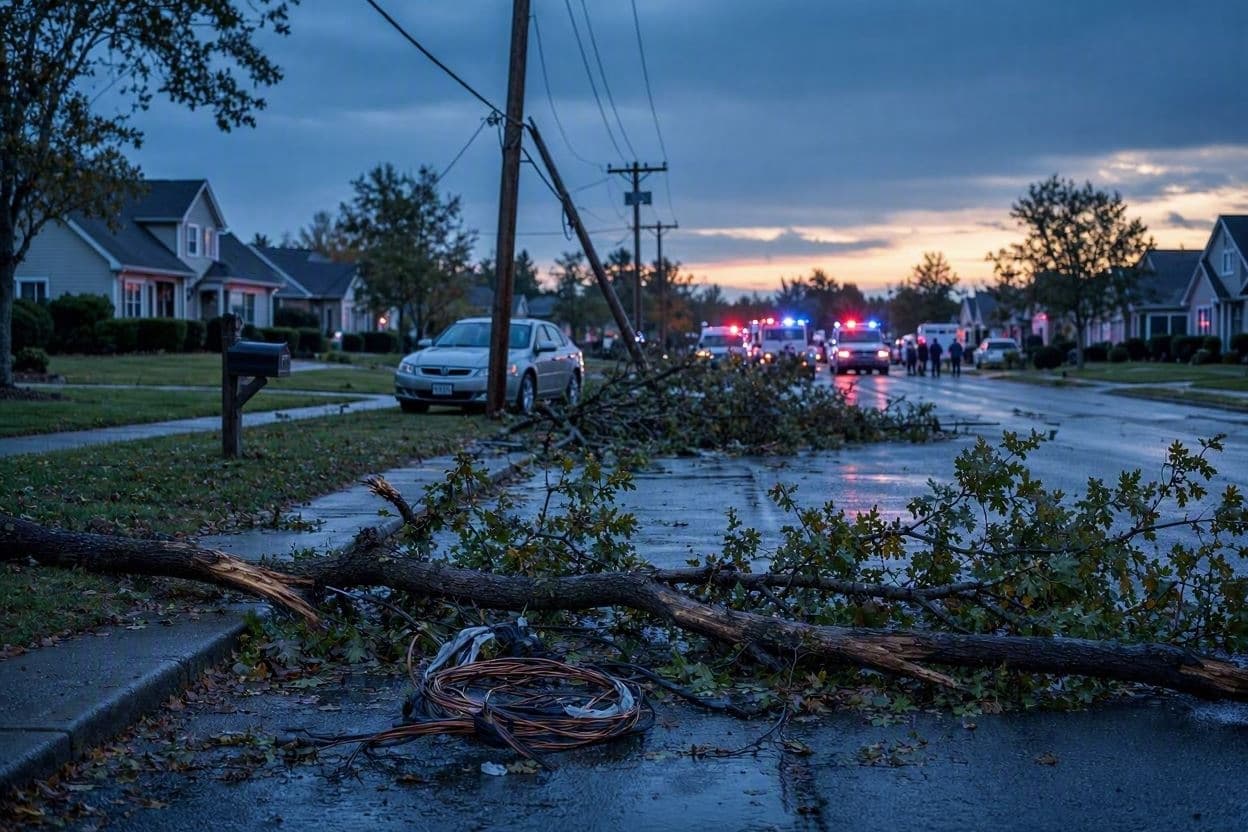
The rhythm of urban life is often dictated by the hum of electricity, a constant presence that powers our days and nights. When that hum falls silent, the city is forced to pause, revealing its vulnerability to the forces of nature. In Sydney, a severe weather event recently brought down trees and powerlines, leaving thousands of residents in darkness and disrupting the familiar flow of daily routine.
The storm arrived with little warning, bringing strong winds and heavy rain that tested the resilience of the infrastructure. Large trees, some standing for decades, were uprooted or snapped, crashing onto roads and power lines. The resulting outages affected vast suburbs, turning homes into islands of silence and prompting a massive response from emergency services and utility crews.
For those left in the dark, the experience was a mix of inconvenience and concern. Families huddled around candles, checked on neighbors, and monitored updates via battery-powered radios. The sudden loss of power highlighted our dependence on technology, yet it also fostered moments of connection and community spirit as people reached out to one another in the absence of digital distractions.
Utility workers raced against time to restore power, navigating debris-strewn streets and hazardous conditions. Their efforts were tireless, driven by the understanding that electricity is not just a convenience but a necessity for health, safety, and communication. Each restored line was a small victory, bringing light and warmth back to waiting households.
The incident also raised questions about urban planning and tree management. As climate change leads to more frequent and intense weather events, cities must adapt their infrastructure to withstand such shocks. Pruning programs, underground cabling, and resilient grid designs are being reconsidered to prevent future widespread outages.
Local councils and state agencies coordinated closely to manage the aftermath, clearing roads and assessing damage. The scale of the cleanup was significant, requiring resources from across the region. Yet, the collective effort demonstrated the capacity of Sydney’s institutions to respond effectively to crises, ensuring public safety remained the top priority.
As power was gradually restored, the city breathed a sigh of relief. The lights came back on, but the memory of the darkness lingered, serving as a reminder of nature’s power and the importance of preparedness. It was a moment of reflection on the fragility of modern systems and the strength of community resilience.
The outage in Sydney, caused by storm-damaged trees and powerlines, underscores the need for resilient infrastructure and community preparedness. While the lights have returned, the event serves as a gentle prompt to respect the natural forces that shape our urban environment.
AI Image Disclaimer: Images used to depict the storm aftermath are AI-generated for illustrative purposes.
Sources: Ausgrid The Daily Telegraph ABC News Sydney
Published by Banx Network. This article is part of the Banx decentralized media programme, powered by the BXE token on the XRP Ledger.