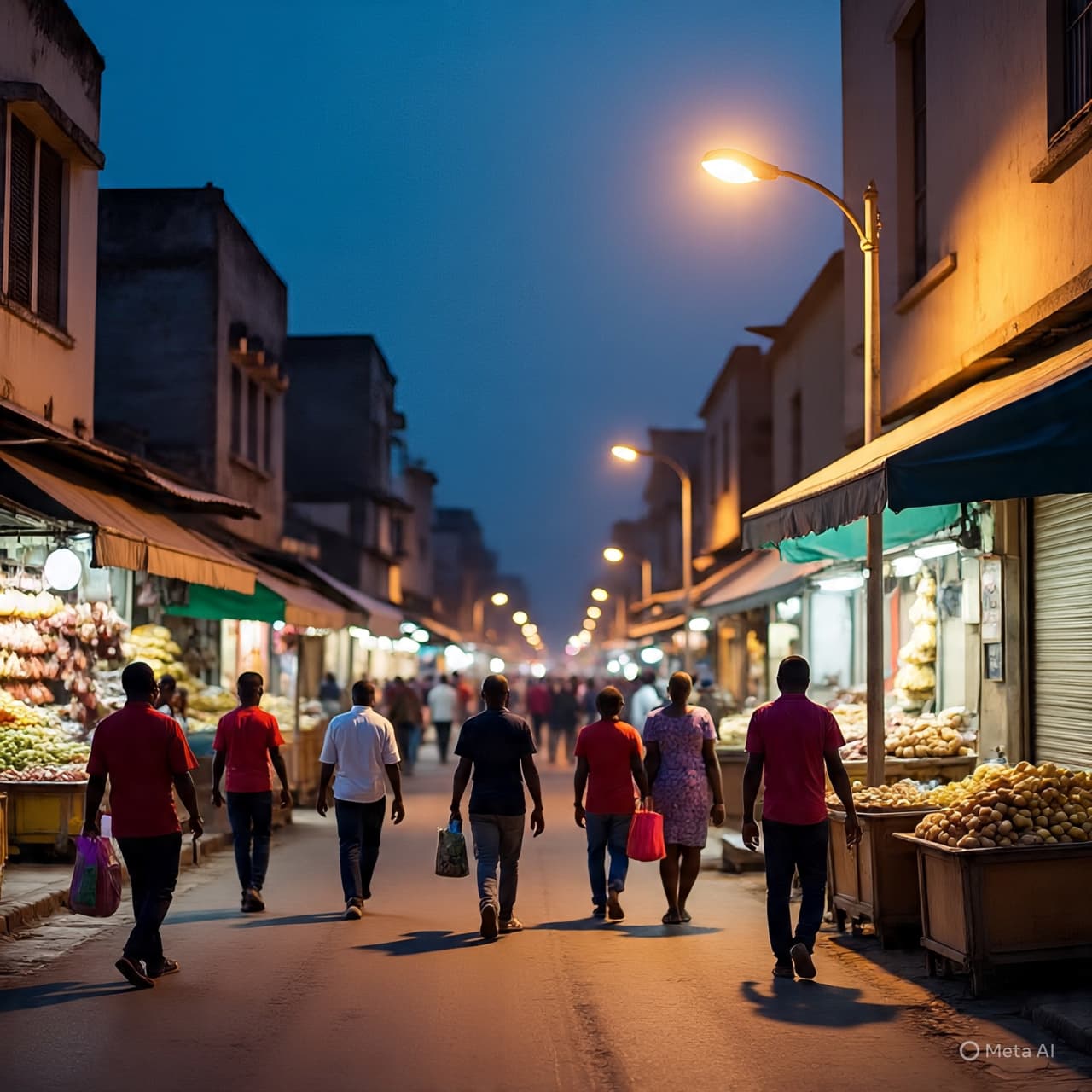
In the soft glow of evening lamps across Nigeria’s sprawling cities, a familiar rhythm lingers — the gentle hum of generators, the unpredictable flicker of streetlight bulbs, and the quiet sigh of a nation yearning for steady current. Like waves treading an unsteady shore, electricity pulses in and out of life here, shaping the days and dreams of millions. It is against this backdrop that one of Africa’s most familiar voices steps forward, not with a shout, but with a plea: let us gather, talk, and kindle the lights that might yet carry the country forward.
Aliko Dangote, whose name has become inseparable from Nigeria’s industrial skyline, raised the gentle yet urgent call at a national policy launch in Abuja. With measured words he urged the government to convene a dedicated national retreat — a summit, he said, focused entirely on resolving what he described as the persistent and deep-rooted power crisis that shadows Nigeria’s economy. His message was simple yet striking: without reliable electricity, factories idle, ambitions dim, and the promise of economic transformation becomes harder to grasp.
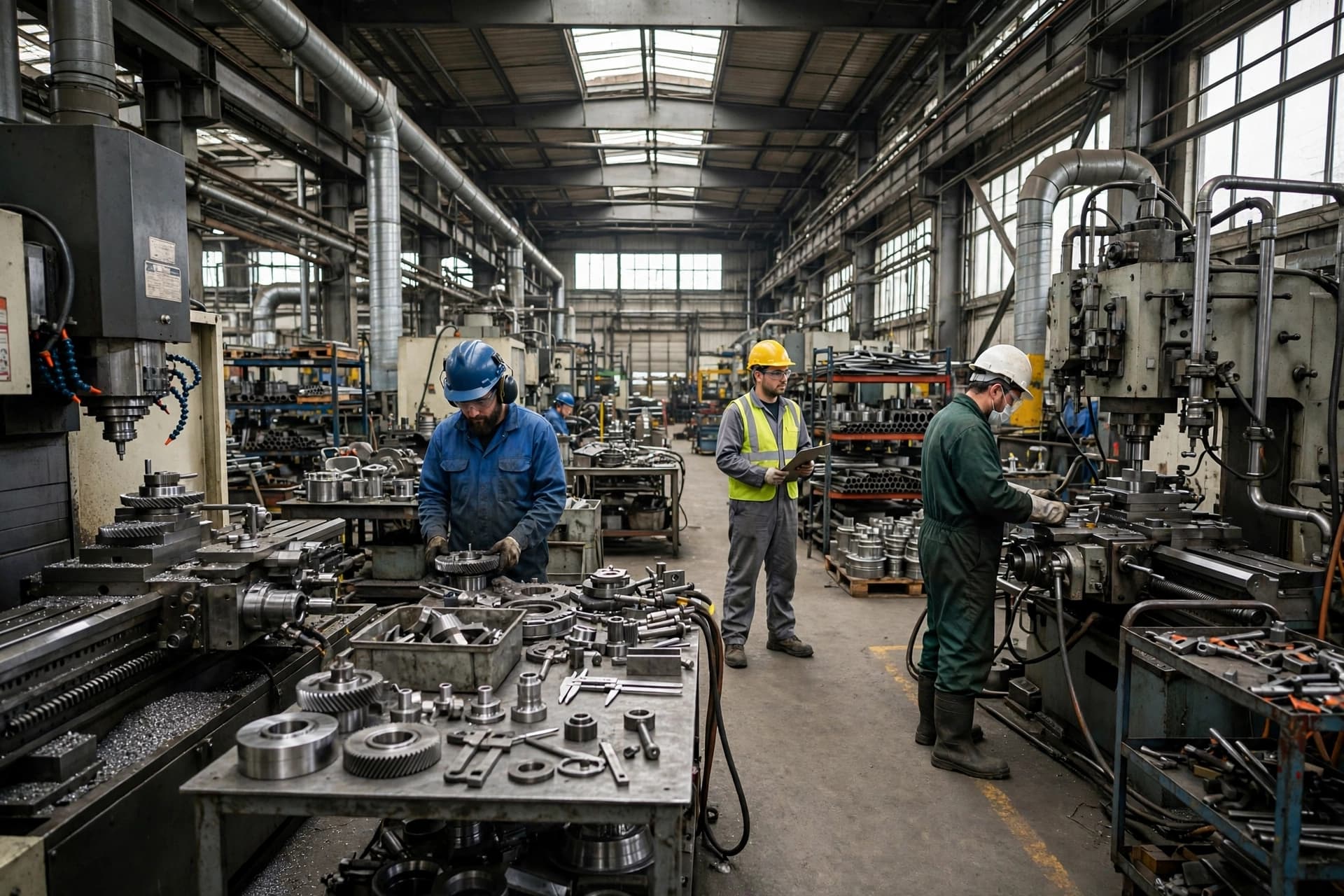
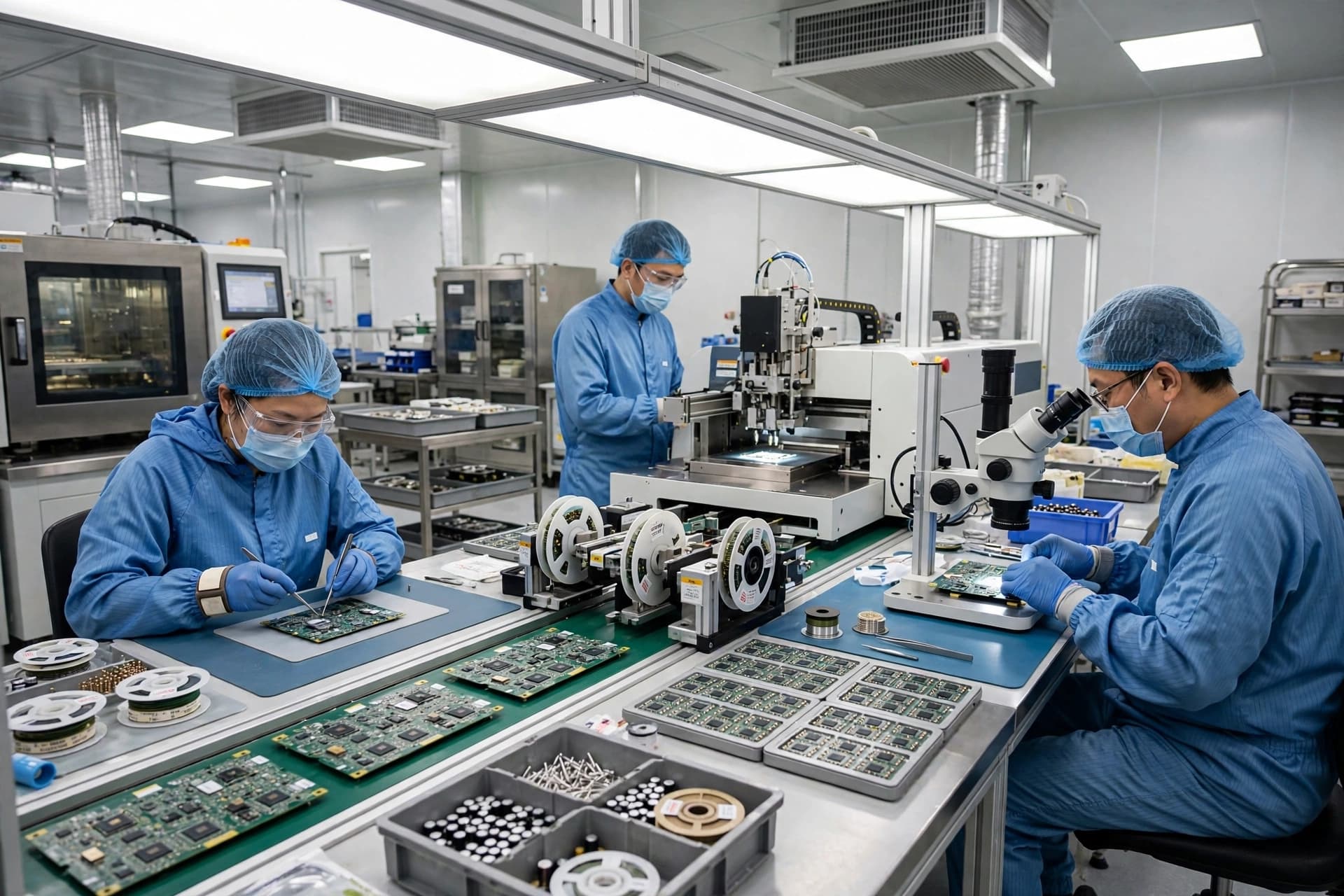
The challenge is not new. For years, Nigerian manufacturers have leaned on diesel generators to keep the wheels turning, adding cost to cost and squeezing margins. Occasional gas disruptions have revealed how fragile the current system remains, with blackouts rippling through cities and communities, reminding all that even the most thoughtful policy is powerless without light to guide it.
Dangote’s appeal did not come as a rebuke but as a reflection — a reminder that the rhythms of industry, the hum of machinery, and the spark of invention all depend on a foundation that neither policy documents nor good intentions can replace: stable power. He welcomed the broader industrial policy initiatives laid out by the government, even as he pressed that such blueprints must be paired with real, tangible energy solutions.
This quiet insistence carries a kind of hope — not loud, not ornate, but carried in the steady voice of someone who has seen what can be built when light meets enterprise. There is an understanding in his words that to grow, to create jobs, to attract investment and to nurture local industries, Nigeria must first be able to offer one of the most basic essentials of modern life: reliable, unhindered power.
And so the request is laid before policy makers and stakeholders: let this be a moment of conversation that bridges sectors, ignites collaboration, and, perhaps most importantly, listens. For power, in more ways than one, feeds not just machines, but hope itself.
In closing, Nigeria stands at a delicate inflection point. A nation of vast imagination and resource finds its economic prospects woven tightly with the hum of turbines and the glow of electric grids. Dangote’s appeal for a summit on power echoes this interdependence — not as a sharp criticism but as a steady reminder that addressing the country’s power challenges is central to keeping lights on for industry and homes alike.
AI Image Disclaimer (rotated wording) “Visuals are created with AI tools and are not real photographs.”
Sources
• Business Insider Africa
• Punch Nigeria
• The Guardian Nigeria
• Daily Trust
• Associated contextual media reports
Published by Banx Network. This article is part of the Banx decentralized media programme, powered by the BXE token on the XRP Ledger.