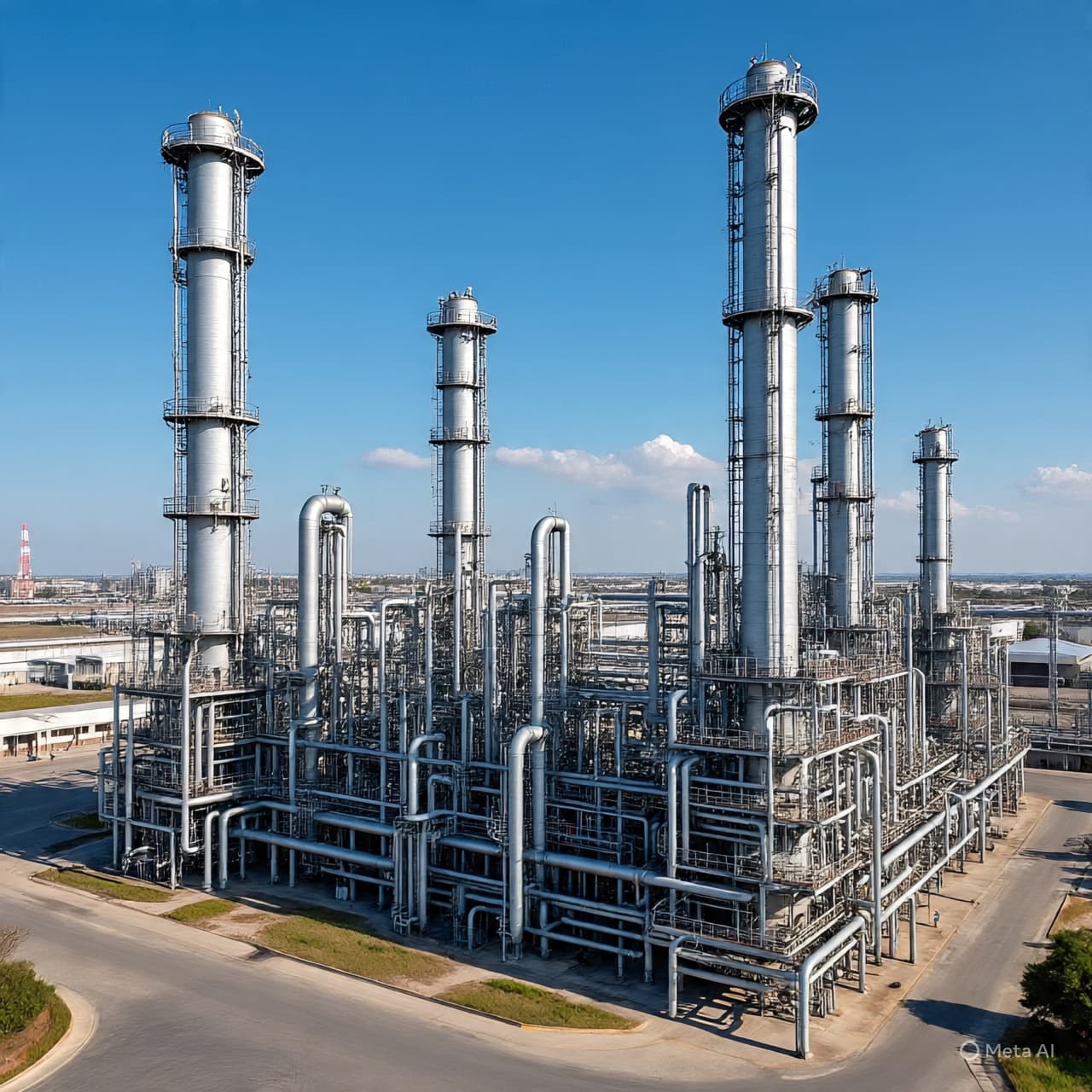
Some industries endure quietly, woven so deeply into everyday life that their absence is only imagined when survival is questioned. Ethylene production is one such case. The confirmation that the UK’s last ethylene plant has been secured with £150 million in new funding arrives as a pause in a longer story of industrial strain.
Ethylene forms the base of countless materials, shaping sectors from construction to packaging. Its production has long been taken for granted, yet rising energy costs and global competition have steadily narrowed the space for domestic operators. The funding now in place does not reverse those pressures, but it does momentarily hold them at bay.
The decision to inject capital reflects more than commercial calculation. Once large-scale chemical infrastructure is lost, replacement becomes improbable. Supporters argue that maintaining production capability preserves skilled jobs and safeguards supply chains that would otherwise depend entirely on imports.
This intervention also highlights the tension between short-term economics and long-term strategy. While markets increasingly reward efficiency and scale, national resilience carries a different value, one that is harder to quantify. The funding suggests that, in this instance, continuity has been judged worth the cost.
Yet the reprieve is not unconditional. The plant’s future will depend on adaptation, from operational efficiency to alignment with environmental expectations. Investment buys time, not immunity, and that time must now be used to reshape how the facility fits into a changing industrial landscape.
Critics caution that public or private rescue funding cannot permanently shield heavy industry from global realities. They point to structural disadvantages that remain unresolved. Still, even they acknowledge that an orderly transition is preferable to abrupt closure.
For now, the £150 million provides stability where uncertainty had been growing. It allows decisions about the UK’s industrial base to be made deliberately, rather than under the pressure of imminent loss. In an era of accelerated change, that pause may prove as valuable as the funding itself.
Published by Banx Network. This article is part of the Banx decentralized media programme, powered by the BXE token on the XRP Ledger.