Some mysteries refuse to be solved, and in their refusal they acquire a kind of gravity—a pull that draws the curious across oceans and decades. Amelia Earhart vanished in 1937, a woman who had already conquered the Atlantic and was reaching for something larger: a circumnavigation of the globe at the equator. She disappeared somewhere over the Pacific with her navigator, Fred Noonan, and the world has been looking for her ever since. Now, a new expedition has arrived at a remote island that some believe holds the answer, and the island, it seems, has its own ideas about who belongs there.
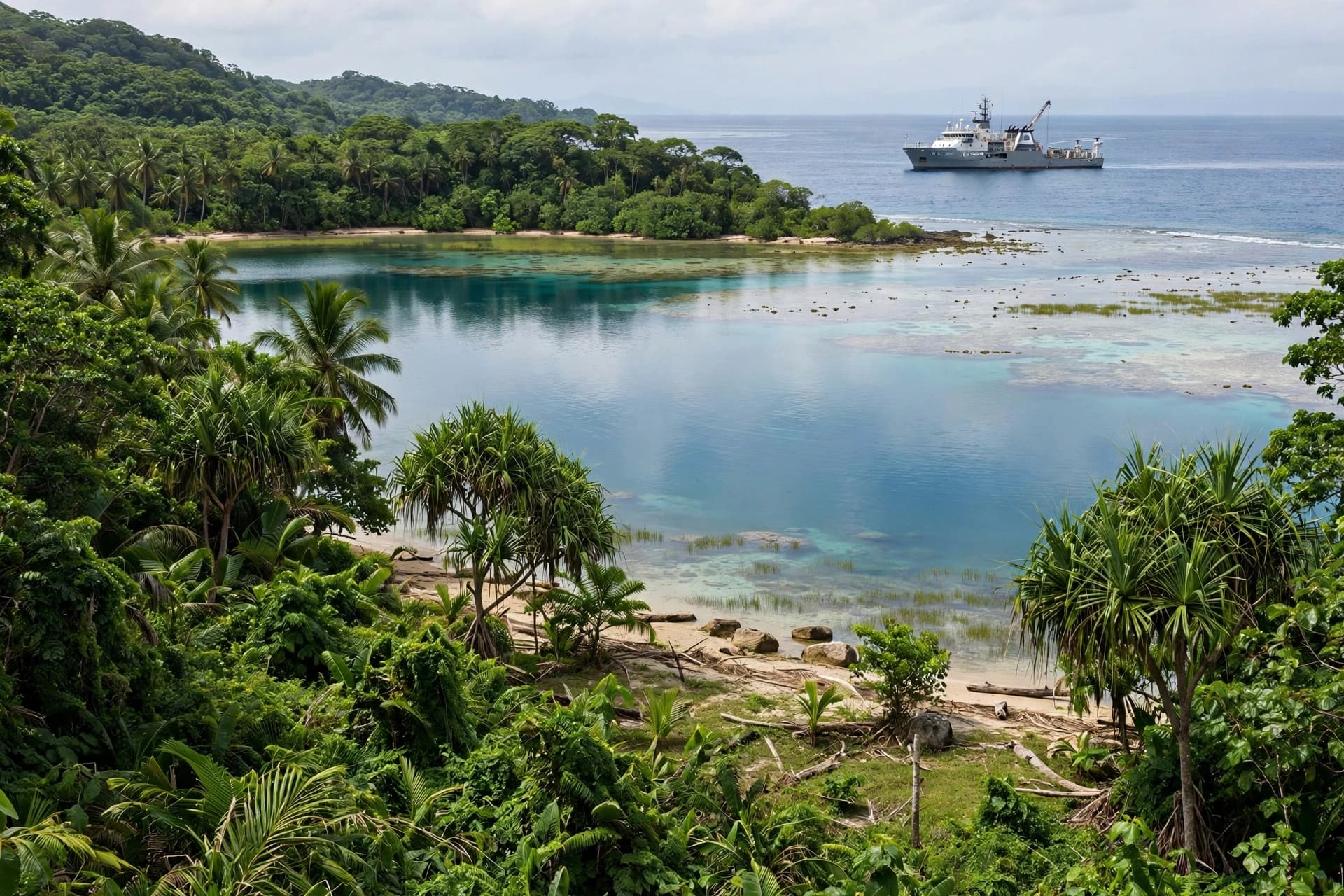
The team from the Archaeological Legacy Institute and Purdue University arrived at Nikumaroro Island in the Pacific Ocean on Monday, part of the nation of Kiribati, after a five-day voyage covering 830 nautical miles . Their mission is to inspect what has been called the Taraia Object, a formation first spotted in satellite imagery in 2020, sitting on the edge of a lagoon . Some believe it could be the wreckage of Earhart's Lockheed Electra. Others have suggested it is simply a collapsed tree. The expedition represents the first authorized trip to Nikumaroro in seven years and the first visit to the Taraia Peninsula in more than fifteen .
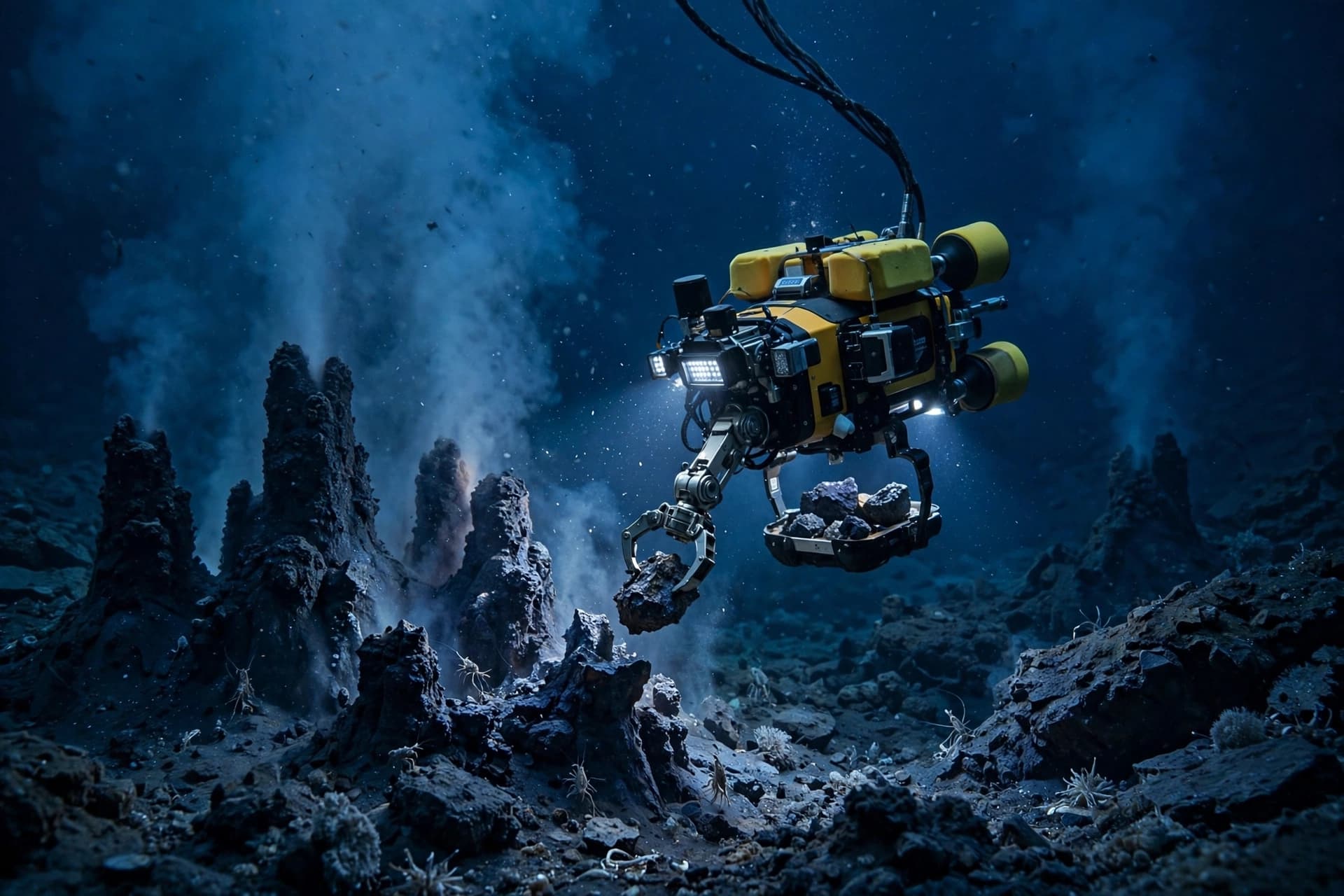
The journey itself has not been without challenge. The crew plans to navigate through a narrow gap in the atoll's reef, one that was blasted open by the British in 1963, the last time the island was inhabited . On the first day ashore, they will focus on transporting equipment, clearing vegetation, and establishing staging operations . Only then will they begin the search for evidence, including magnetic metals, on the Taraia Peninsula . Dredging equipment will be used to move sediment for a visual inspection of the mystery object, which is believed to rest only ten feet from shore in as little as five feet of water, depending on the tides .
But there is another presence on Nikumaroro, one that has shaped the expedition's logistics in ways both practical and unsettling. Coconut crabs, also known as robber crabs, inhabit the island in numbers. They are the largest land-dwelling invertebrates on the planet, with leg spans reaching up to a meter and body weights exceeding four kilograms . They can lift objects weighing up to 28 kilograms . They hunt at night for small mammals and seabirds. And they have a particular talent for stripping bones of flesh with remarkable efficiency . The crew will sleep aboard their ship, the Marin Mainiku, every night, because staying on the island after sundown is considered impractical .
There is a theory, uncomfortable to consider but impossible to ignore, that these crabs may have played a role in Earhart's fate. A 2013 article in Smithsonian Magazine, drawing on earlier reporting, laid out the hypothesis that Earhart and Noonan crash-landed on Nikumaroro, that Earhart survived the landing but was wounded, and that the crabs, drawn by the scent of blood, overwhelmed her . In 2007, researchers tested this theory using a pig carcass, and found that the crabs removed and scattered the bones quickly . The theory remains speculative, but it adds a layer of unease to the expedition's work—a reminder that the island is not merely a site of historical inquiry but a living ecosystem with its own appetites.
Expedition leader Rick Pettigrew described the moment as "incredibly rewarding," speaking of the possibility of solving a mystery that has endured for more than eighty-nine years . The official explanation for Earhart's disappearance remains that her plane ran out of fuel after communication problems and crashed into the ocean . But the Taraia Object offers an alternative, a physical location to investigate rather than an expanse of sea to imagine. The researchers will spend five days on the island, working against the constraints of weather and the El Niño climate pattern, which could limit daily access to shore .
Whatever the expedition finds, or fails to find, the mystery of Amelia Earhart will likely endure in some form. The ocean does not give up its secrets easily, and the islands of the Pacific hold histories that predate and outlast the brief, brilliant passage of a woman who tried to fly around the world. The crew will work, the crabs will hunt, and the question of what happened to Amelia Earhart will remain—perhaps answered, perhaps not, but always compelling.
AI Image Disclaimer: The visual content in this article was generated by artificial intelligence and is for illustrative purposes only.
Sources:
· BBC News · The Detroit News · Smithsonian Magazine
Published by Banx Network. This article is part of the Banx decentralized media programme, powered by the BXE token on the XRP Ledger.