In the long arc of public health progress, there are seasons of steady advance and moments when that progress seems to falter like a river’s flow slowed by unexpected drought. For decades, international solidarity and carefully marshalled funds helped push back the tide of HIV — expanding treatment, reducing new infections, and offering hope to communities once ravaged by the virus. Yet recent disruptions in global HIV financing have raised questions about how far those gains can be sustained when the currents of support shift.
Global health officials and advocates have described the last year as a period marked by sudden funding cuts and freezes that have unsettled HIV programmes around the world. These shifts have not occurred in isolation; they come amid broader reconfigurations of foreign aid priorities, with some major donors reducing or reprioritizing their contributions to global health mechanisms that have historically underpinned HIV prevention and care. According to an UNAIDS analysis, these funding losses have “rocked the HIV response” and pose risks of increased infections, mortality, and setbacks in progress made over decades.
For many countries with high HIV burdens, bilateral funding mechanisms such as the United States President’s Emergency Plan for AIDS Relief (PEPFAR) and contributions to multilateral platforms like the Global Fund have been essential to maintaining treatment and prevention services. In recent years, abrupt interruptions and reductions in such support have disrupted HIV testing, treatment continuity, and community‑based outreach. A rapid WHO assessment found that nearly half of low‑ and middle‑income countries reported moderate to severe disruptions in HIV services as a result of funding suspensions and cuts, including interruptions to medicines and diagnostic supplies.
Those disruptions have tangible consequences at community level. PrEP uptake — a cornerstone preventive strategy enabling people at high risk of HIV infection to stay HIV‑negative — sharply declined in several countries after funding cuts, with reported drops of 70 % in Uganda, 75 % in Malawi, and more than 98 % in Nigeria. In some areas, this has left PrEP coverage far too low to meaningfully curb new infections.
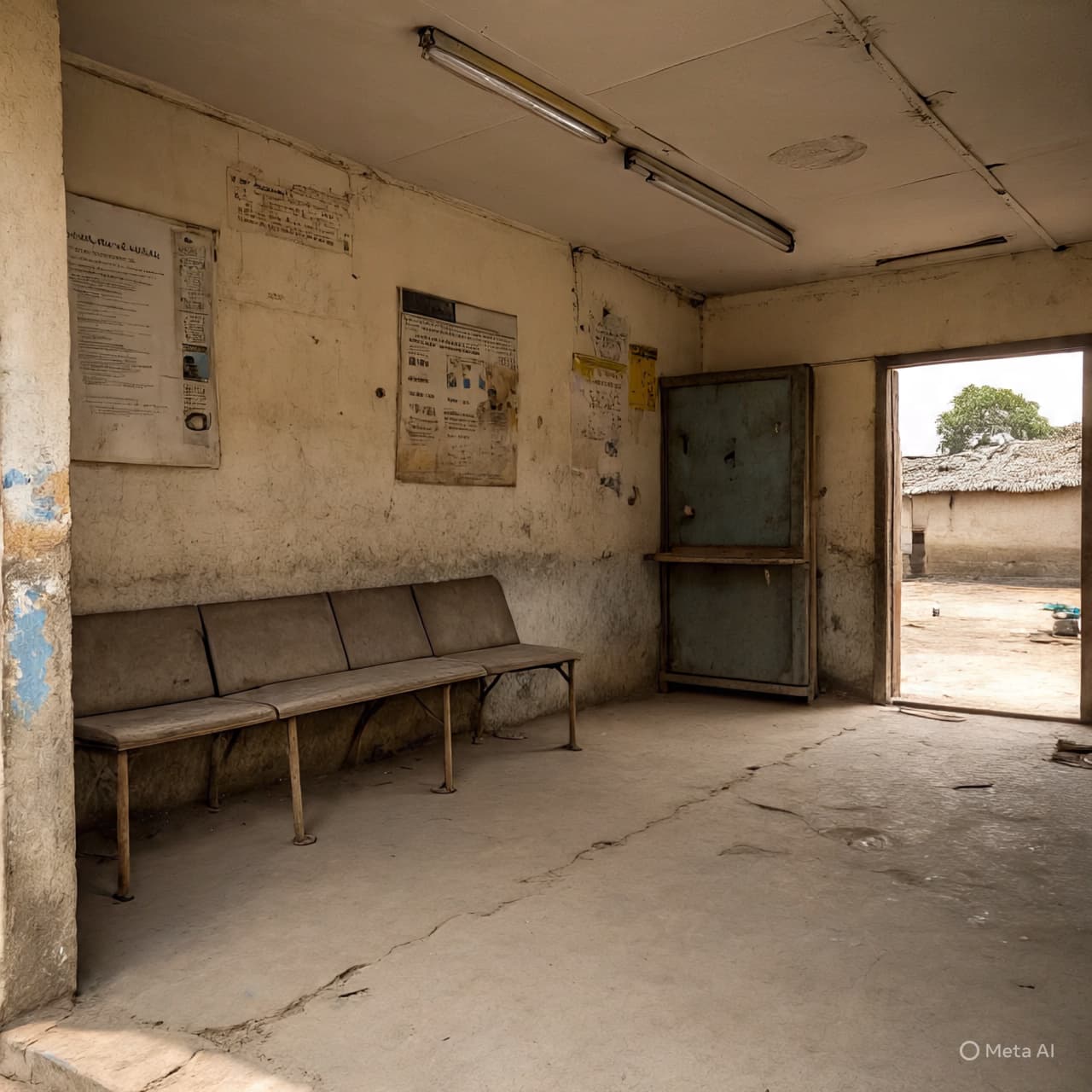
Behind these statistics are the human stories of clinics struggling to stay open, health workers uncertain of their roles, and people living with HIV facing delays in care or interruption of services that have been part of their lifeline for years. Observers have also highlighted how reductions in donor support for community‑led organisations — often the first point of contact for marginalised groups — threaten the reach and equity of HIV responses.
The ripple effects extend beyond treatment and prevention. Research continuity, clinical trials, and innovation in tackling HIV are also at risk when funding for scientific programs diminishes. Policymakers and health leaders have called for renewed commitment and shared responsibility to protect the fragile gains achieved so far — emphasizing that sustained investment is critical not only for continuing care but also for long‑term strategies to end AIDS as a public health threat.
In plain terms, global disruptions to HIV funding — including sudden cuts and reprioritisation by major donors — have already led to service interruptions, declines in prevention coverage, and strains on health systems in many countries. Agencies like UNAIDS and WHO continue to monitor these impacts and urge renewed commitments to support HIV programmes worldwide.
AI Image Disclaimer Graphics are AI-generated and intended for representation, not reality.
Sources: UNAIDS (2025 World AIDS Day report) UNAIDS/WHO HIV response analyses Human Rights Watch global health funding report Reuters health aid coverage AIDSMap PrEP funding impact reporting
Published by Banx Network. This article is part of the Banx decentralized media programme, powered by the BXE token on the XRP Ledger.