The sea has a way of carrying both routine and remembrance. Every day, ferries leave familiar docks, tracing paths that connect families, workers, and communities separated by rivers and coastal waters. Their journeys become part of the ordinary rhythm of life, so familiar that few pause to notice them—until a single voyage fails to reach its destination.
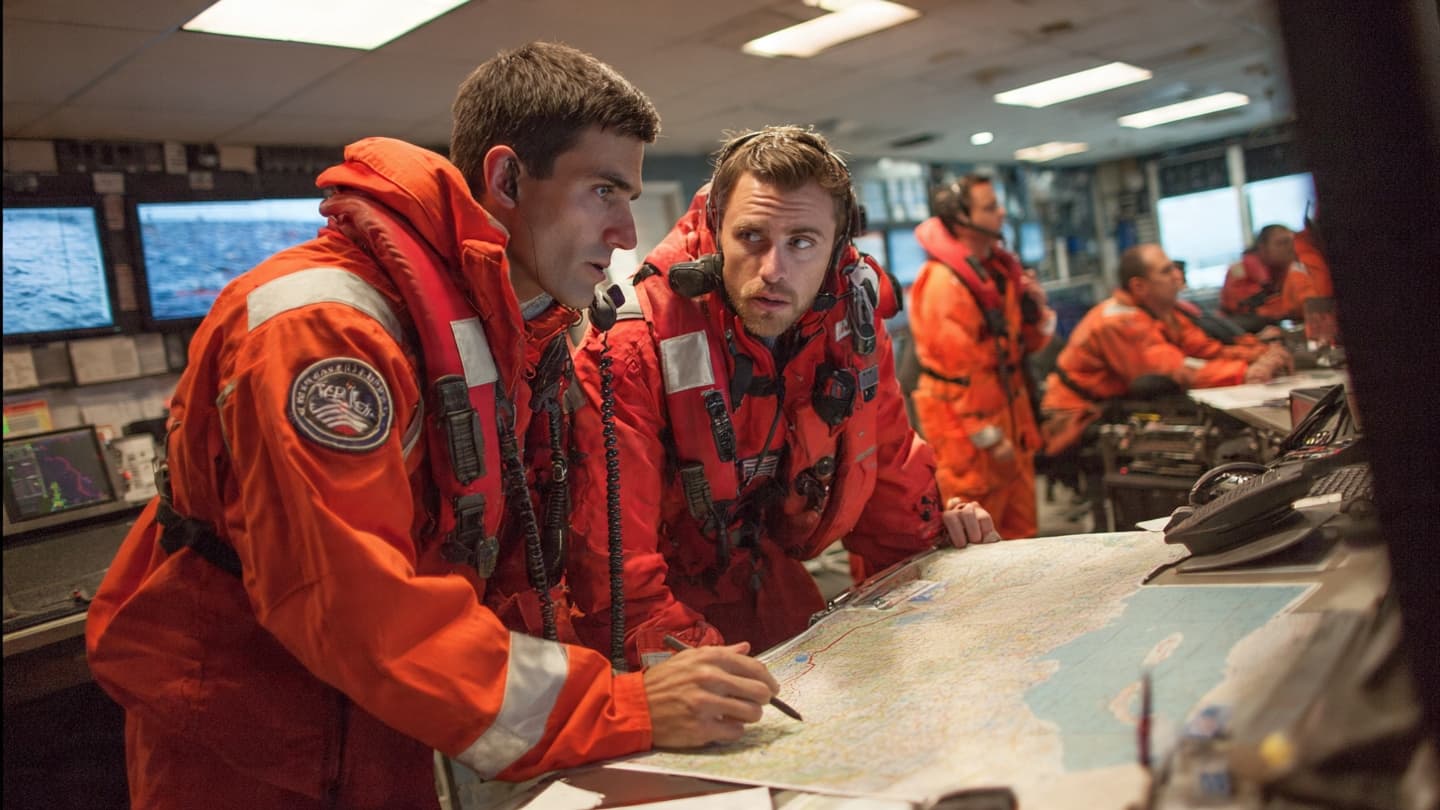
That quiet routine was broken when a passenger ferry capsized off the coast of Guyana, leaving scores of people feared dead and prompting a large-scale search-and-rescue operation. Emergency responders, coast guard vessels, and nearby fishing boats rushed toward the accident site after distress reports emerged, searching the surrounding waters for survivors while authorities worked to determine how many passengers had been on board.
Rescue teams continued their efforts through difficult conditions, recovering survivors while combing the surrounding waters for those still missing. Hospitals prepared to receive the injured, and temporary assistance centers were established to support families anxiously awaiting news. Along the shoreline, hours seemed to pass more slowly as relatives gathered, hoping each arriving rescue vessel might bring welcome news.
Although investigators have not yet confirmed the exact cause of the disaster, officials indicated that weather conditions, sea state, passenger capacity, and the vessel's condition would all form part of the investigation. Maritime specialists will also examine navigation records and eyewitness accounts to better understand the sequence of events that led to the ferry overturning.
For Guyana, where waterways remain essential transportation routes linking coastal communities and remote settlements, ferries serve as more than simple vessels. They carry students traveling to school, workers commuting to their jobs, families visiting loved ones, and merchants transporting goods. Their daily crossings are woven into the country's social and economic life.
Maritime accidents of this scale often reveal the quiet heroism of ordinary people. Nearby fishermen, commercial crews, and local residents reportedly joined official responders, helping pull survivors from the water and guiding rescue boats through challenging conditions. Such moments remind communities that compassion frequently arrives before formal assistance can fully organize.
Government officials pledged a thorough investigation while expressing condolences to affected families. Emergency agencies continued coordinating rescue efforts alongside local authorities, emphasizing that confirming passenger numbers and identifying victims would require careful verification. Officials also indicated that safety procedures and maritime regulations would likely come under renewed review as the investigation progresses.
Beyond statistics and official reports, the tragedy is ultimately measured through interrupted journeys and unfinished conversations. Every passenger boarded with plans for the day ahead, expecting an ordinary crossing rather than an unexpected emergency. Those personal stories now shape the wider national response, reminding the country that transportation systems are built not only upon infrastructure but upon the trust of those who use them.
As evening settles over Guyana's coastline, rescue vessels continue moving across waters that only hours earlier carried routine travel. Searchlights replace daylight, and the quiet determination of rescue crews continues against the darkness. Whether bringing survivors safely ashore or helping families find answers, their work reflects a hope that persists even in moments marked by uncertainty. Along the water's edge, the nation waits together, carrying both grief and the enduring wish that every possible life may yet be saved.
AI Image Disclaimer
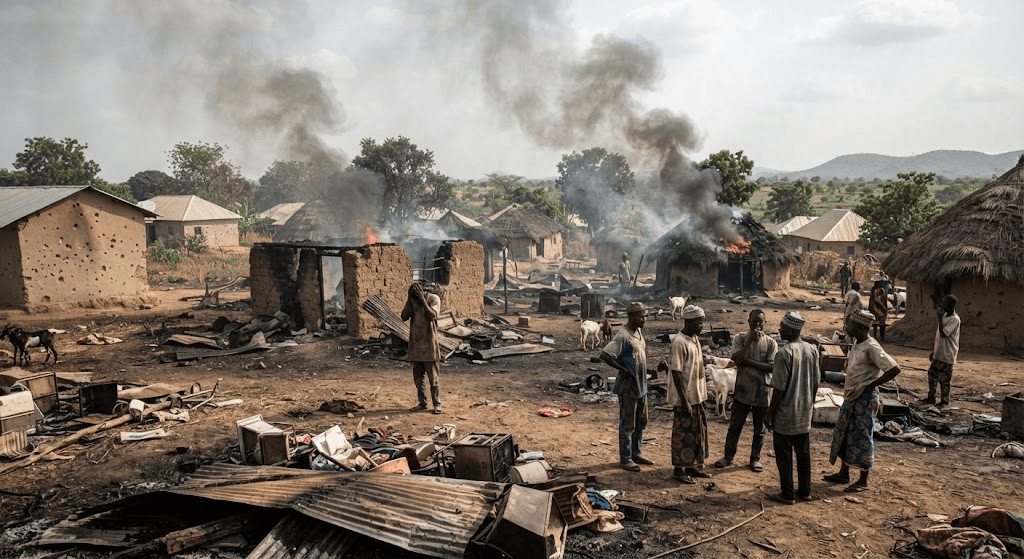
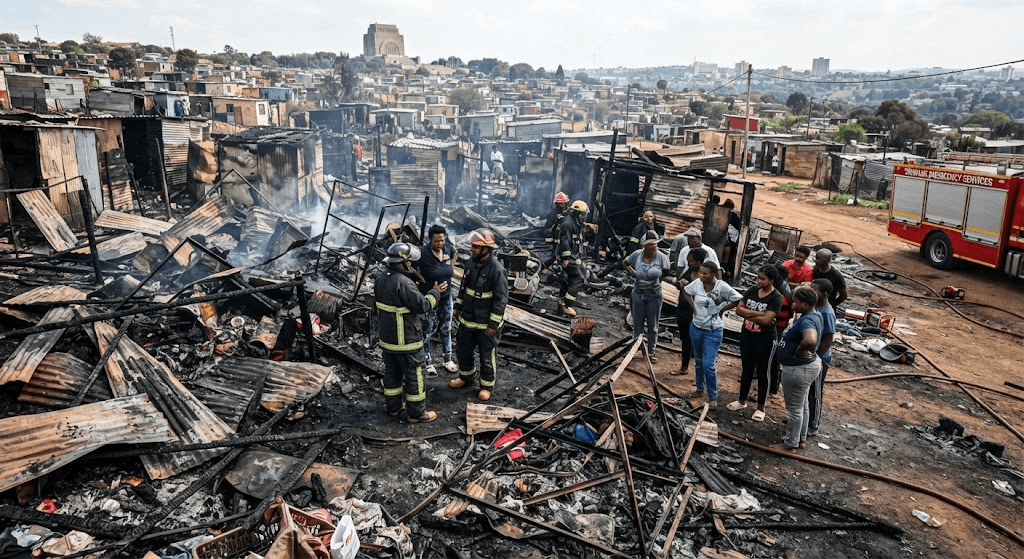
These illustrations were generated using AI to provide conceptual visual representations and do not depict actual photographs from the incident.
Sources
• Reuters
• Associated Press
• Guyana Civil Defence Commission
• Guyana Maritime Administration Department
• BBC News
Published by Banx Network. This article is part of the Banx decentralized media programme, powered by the BXE token on the XRP Ledger.