As the summer heat begins to soften into the gentle embrace of evening, the sky above offers a spectacle that has captivated humanity for millennia. This week, celestial observers are treated to a dual display of natural beauty: the luminous Full Buck Moon and the fleeting grace of the Southern Delta Aquariid meteor shower. It is a moment when the cosmos invites us to pause, look up, and reconnect with the rhythmic cycles of our universe.
The convergence of these two events creates a unique viewing experience, blending the steady glow of our nearest neighbor with the transient sparkle of cosmic debris. For those willing to step away from the glare of city lights, the night sky becomes a canvas of wonder, reminding us of our place in the vast expanse of space.
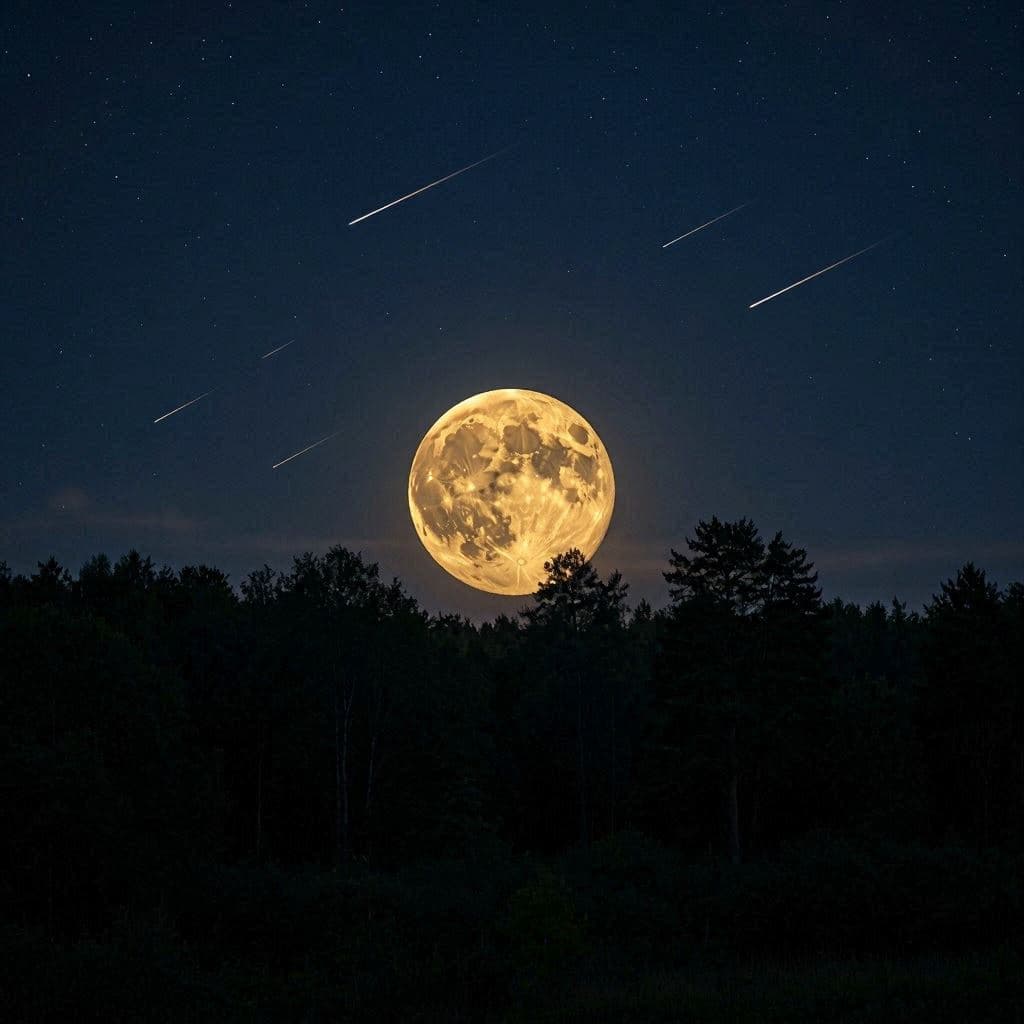
Body: The Full Buck Moon, named by Native American tribes for the time of year when male deer begin to grow their new antlers, rises with a distinctive golden hue. This month’s full moon is particularly notable as it coincides with the peak activity of the Southern Delta Aquariids, one of the most reliable meteor showers of the summer season. Although the brightness of the moon may wash out some of the fainter meteors, the brighter fireballs will still pierce through the lunar glare.
Astronomers suggest that the best viewing times are in the hours before dawn, when the moon has dipped lower in the sky and the radiant point of the meteor shower is higher. The Southern Delta Aquariids are known for their slow-moving trails, which make them easier to track and appreciate than faster showers. Each streak of light is a tiny particle of dust or rock burning up in Earth’s atmosphere, a silent reminder of the dynamic nature of our solar system.
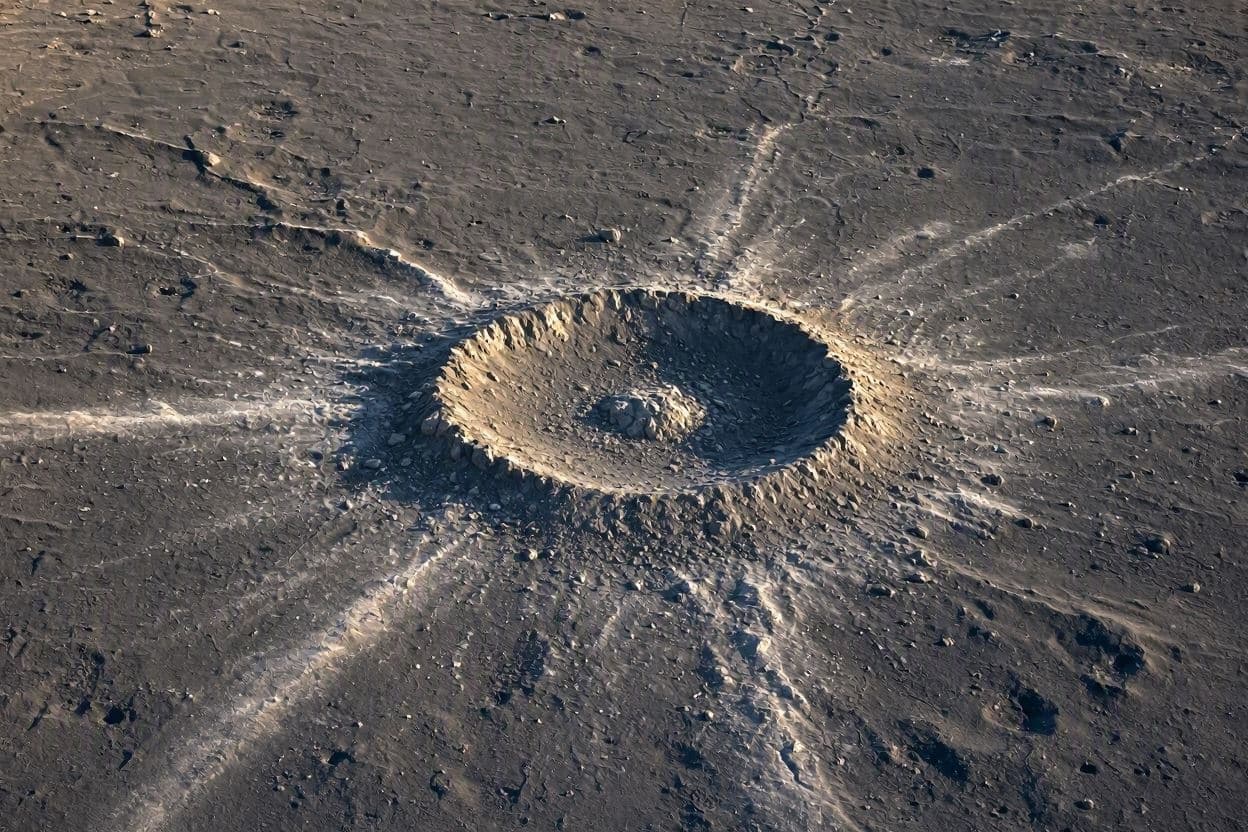
Beyond the meteors, the moon itself offers a subject of fascination. Its surface, marked by craters and maria, tells a story of billions of years of impacts and geological history. Observing the Buck Moon through binoculars or a small telescope reveals intricate details along the terminator, the line dividing day and night on the lunar surface, where shadows accentuate the topography.
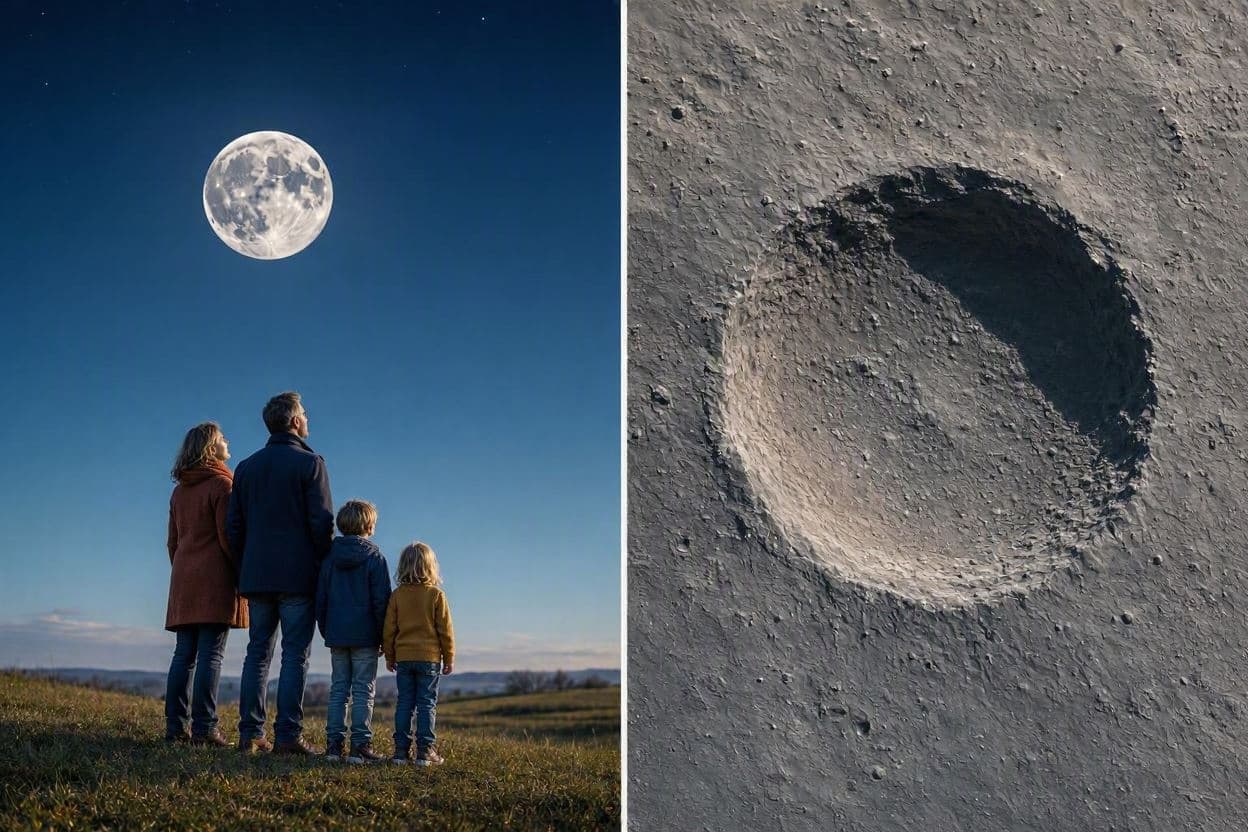
For families and amateur astronomers, this week provides an excellent opportunity for outdoor education. Setting up a blanket in a backyard or visiting a local park can turn a simple evening into a lesson in astronomy. Identifying constellations such as Aquarius and Capricornus, from which the meteors appear to radiate, adds a layer of engagement to the experience.
Light pollution remains a challenge for many urban dwellers, but even from suburban areas, the brightest meteors and the moon’s brilliance can be enjoyed. Community groups often organize star parties, offering guidance and equipment to help newcomers navigate the night sky. These gatherings foster a sense of community and shared appreciation for the natural world.
The cultural significance of the Buck Moon also invites reflection on traditional knowledge and the changing seasons. Many indigenous cultures use lunar cycles to guide agricultural and hunting practices, highlighting a deep connection between human life and celestial patterns. Acknowledging these roots enriches the modern experience of stargazing.
As the week progresses, the moon will wane, and the meteor activity will taper off, but the memory of the display will linger. It serves as a gentle prompt to maintain a habit of observation, to find joy in the predictable yet ever-changing theater of the heavens.
Closing: The appearance of the Full Buck Moon alongside the Southern Delta Aquariids is a gift of the summer sky. It encourages us to look up, breathe deeply, and find peace in the timeless dance of celestial bodies.
AI Image Disclaimer: The illustrations accompanying this article are AI-generated visuals created to evoke the beauty of the night sky.
Sources: NASA Space.com Time and Date EarthSky
Published by Banx Network. This article is part of the Banx decentralized media programme, powered by the BXE token on the XRP Ledger.