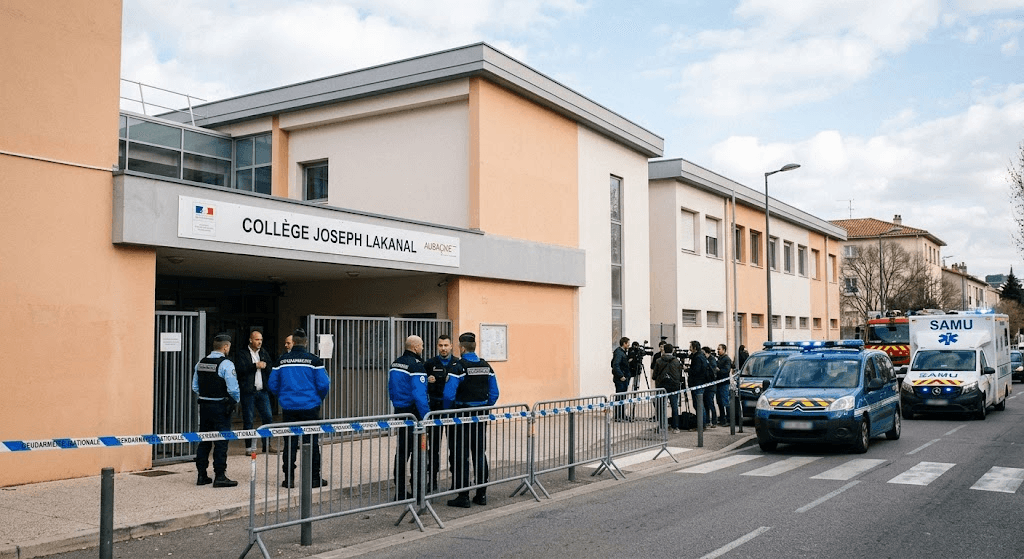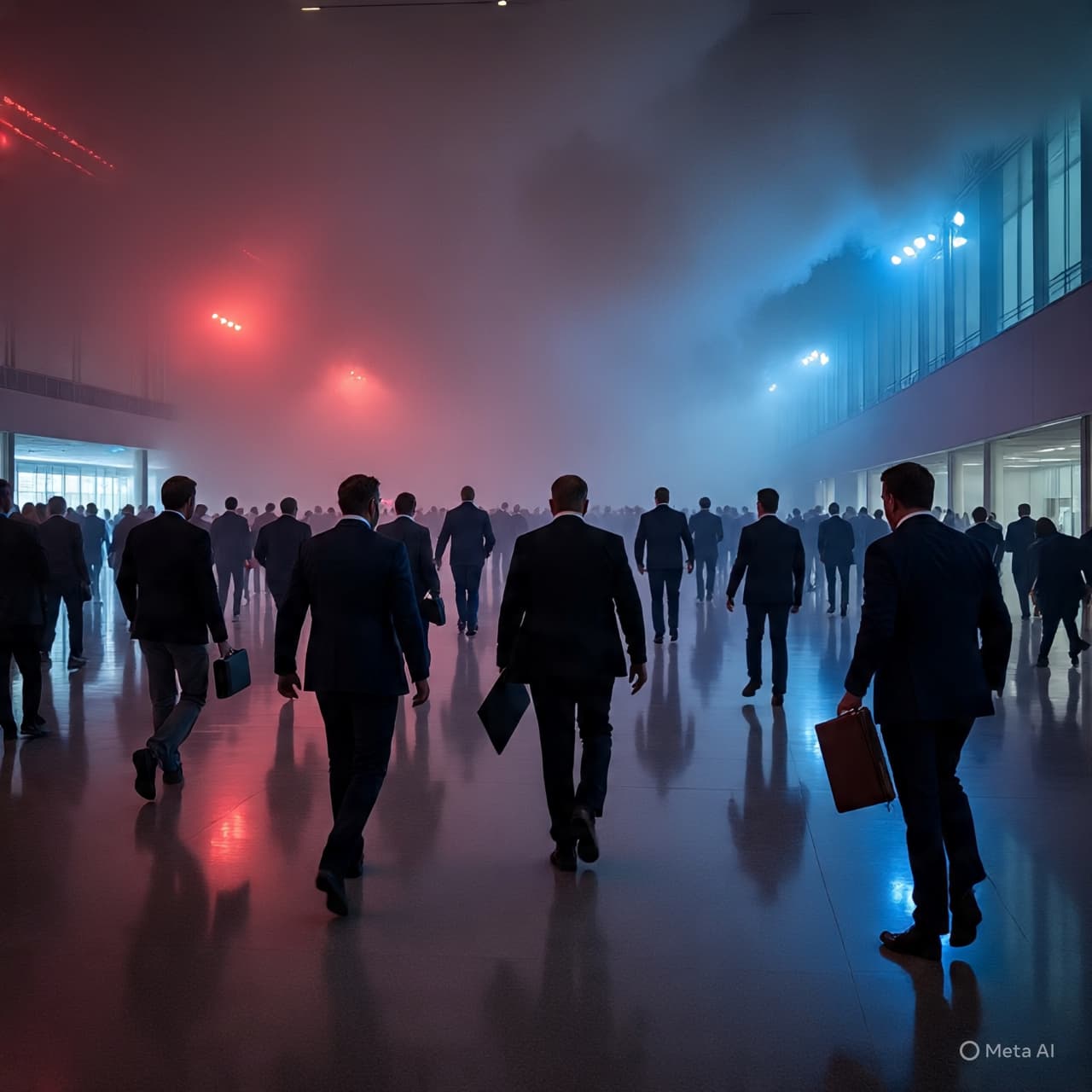
There are moments during global diplomacy when history shifts through words, pressure, or compromise. But in Belém, Brazil, it was fire — not policy — that forced the world to stop talking. The United Nations climate summit came to a halt when flames broke out in one of the main pavilion areas, triggering alarms and sending delegates and staff into emergency evacuation mode.
Officials said the fire was contained quickly, lasting only minutes before response teams extinguished it. Yet its impact stretched far longer: dense smoke filled interior corridors, and thirteen people suffered smoke inhalation severe enough to require medical treatment. Many more fled coughing as emergency crews secured the site and searched for the source of the blaze.
Early assessments suggest the fire may have stemmed from an electrical failure inside the venue. Investigators are examining whether a generator, booth equipment, or temporary wiring sparked the ignition. Regardless of the cause, the disruption arrived at a critical hour. Negotiators had been deep in final-day deliberations over fossil fuel commitments, climate financing, and legally binding emissions pathways — the very core of the summit’s purpose.
Hours later, with the smoke cleared and the structure deemed safe, delegates resumed discussions. But the delay introduced new uncertainty. Lost time means tighter deadlines, compressed diplomacy, and higher pressure — conditions that can fracture deals or force rushed agreements.
For many inside the summit, the symbolism was unsettling. A conference dedicated to confronting climate-driven fires, floods, heat and displacement found itself stopped by a fire of its own — a reminder that risk is never theoretical. Even controlled spaces can become vulnerable, and even the most urgent global conversations can be interrupted by the unexpected.
As talks move forward, negotiators now work not just under the weight of climate deadlines — but under the memory of evacuation alarms and smoke-filled exits.
Published by Banx Network. This article is part of the Banx decentralized media programme, powered by the BXE token on the XRP Ledger.