There is a quiet transformation taking place inside Singapore's hospitals. It does not arrive with the sound of machinery or the movement of a new building. Instead, it appears on screens, in patient records, and in the small spaces between one clinical task and another.
Singapore's Ministry of Health says the country is entering a new phase of artificial intelligence in healthcare, moving beyond systems that simply generate or summarize information toward AI capable of carrying out sequences of tasks. The shift changes the question from what AI can do to what healthcare systems can responsibly do with it.
One example is Tandem, a common secure generative-AI platform developed by national HealthTech agency Synapxe for Singapore's public healthcare system. The platform allows healthcare professionals to experiment with AI using domain-specific data before applications are considered for wider deployment.
Applications are already emerging from this environment. Note Buddy, for instance, can transcribe and summarize doctor-patient conversations, including conversations across Singapore's four main languages. The practical purpose is modest but meaningful: reducing time spent on documentation and allowing clinicians to give more attention to the person in front of them.
The next step is more ambitious. Singapore is exploring what are described as agentic AI systems, in which an AI receives an objective and carries out a series of actions rather than simply waiting for an individual question. Synapxe has developed AgentSea as a sector-wide platform for healthcare professionals to build, deploy and manage such agents.
According to Singapore's Ministry of Health, more than 12,000 AI agents have been created by healthcare professionals experimenting with how these systems might support everyday work. One example involves preparing customized patient summaries before consultations by bringing together medical background, clinical issues, care plans and outstanding follow-ups.
The potential becomes more visible when considering patients with several chronic conditions. An AI system could eventually help coordinate appointments, reminders, tests and follow-up activities across different parts of the healthcare system, while identifying information that may require attention. Such possibilities remain dependent on appropriate safeguards and human oversight.
That final element remains central. Singapore's health authorities emphasize that increasingly capable AI systems must be accompanied by accountability, governance and preservation of human judgment. The technology may be able to act, but clinical responsibility cannot simply disappear into the machinery.
The country's participation in HIMSS26 APAC this week places those developments within a wider regional conversation about digital healthcare. Singapore's three public healthcare clusters, the Ministry of Health and Synapxe are showcasing AI applications and other digital initiatives aimed at transforming care delivery.
Singapore's experiment therefore represents something larger than the introduction of another software tool. It is an attempt to reshape the relationship between technology and healthcare itself, allowing machines to handle more of the coordination while doctors, nurses and patients remain at the center of decisions that require human understanding.
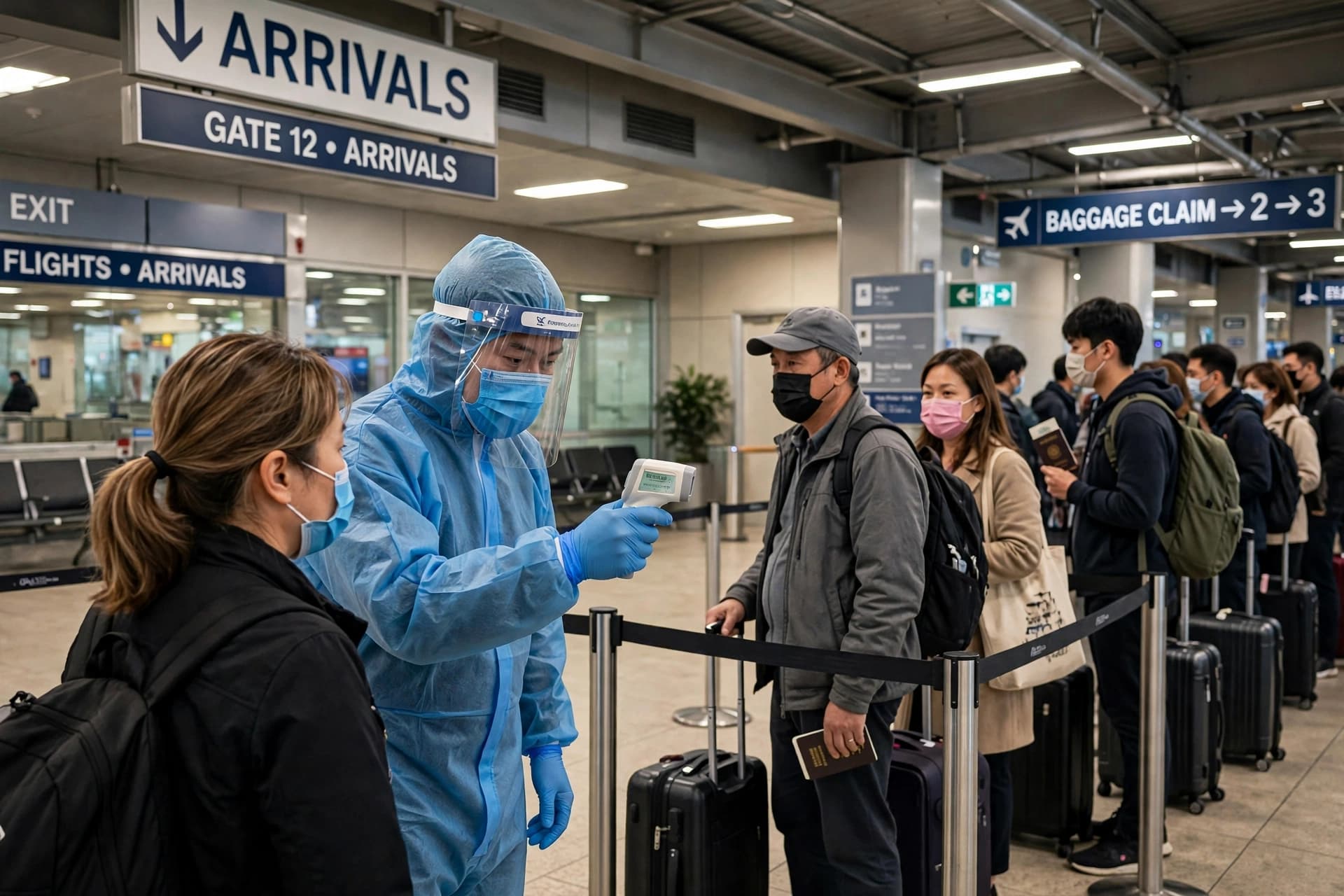
AI Image Disclaimer The visuals accompanying this article were generated by AI as conceptual representations and do not show actual patients, hospitals, or Singaporean healthcare systems.
Sources Ministry of Health Singapore HIMSS Synapxe SingHealth National University Health System
Published by Banx Network. This article is part of the Banx decentralized media programme, powered by the BXE token on the XRP Ledger.