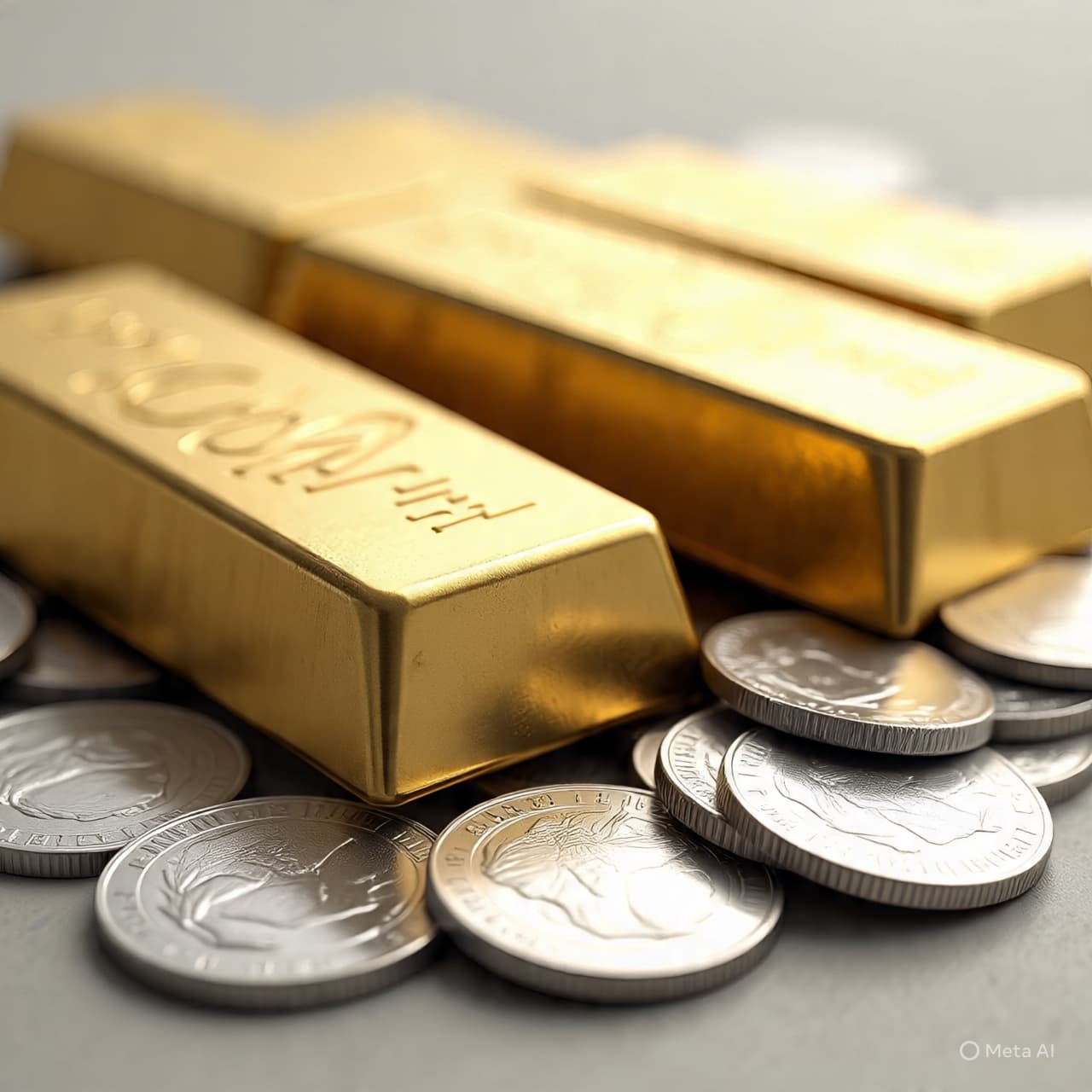
There are moments in markets that feel like the pull of tide on a quiet beach — subtle at first, then inexorable, reshaping the shoreline of opportunity and fear alike. In early 2026, gold and silver have become such forces, rising not with timid steps but with the energy of a crescendo. Their prices — once mere numbers on screens — now seem to echo broader questions about stability, confidence, and the shifting balance of global risk.
Investors watch these metals not just as commodities, but as ancient measures of value in times of uncertainty. In recent weeks, gold has surged past historic milestones, breaking through levels once thought unreachable, while silver — lighter, more volatile — has danced upward even more rapidly. This isn’t merely a financial movement; it feels like a collective breath held and then released, as markets grapple with swirling geopolitical and economic headwinds that refuse easy answers.
At the heart of this rally is the enduring appeal of safe-haven demand. When confidence in traditional assets — currencies, bonds, equities — wavers, gold and silver often stand as bulwarks. In a world marked by trade tensions, tariff fears, political friction, and uneven economic signals, investors have turned to these metals as shields against volatility.
The U.S. dollar’s relative weakness has further amplified this trend. As the greenback softens against other currencies, gold and silver become more attractive to holders of foreign currency, kindling a broader wave of international demand that pushes prices higher.
Structural forces also play a part. Central banks — particularly in emerging markets — have been steadily building gold reserves, diversifying away from traditional safe assets. This sustained official demand tightens the available supply, layering another supporting pillar under an already strong price push.
Silver’s story, while intertwined with gold’s, carries its own narrative. Beyond its role as a traditional hedge, silver is also a critical industrial metal. It underpins technologies of the modern era — from solar panels that capture the sun’s rays to electric vehicles and advanced electronics. Rising global investment in renewable energy and high-tech infrastructure has strained silver supply, adding an industrial dimension to what might otherwise be a purely financial rally.
Yet, beneath the momentum, some voices caution against reading the surge as unalloyed certainty. Prices that climb with speed can sometimes reflect not only fundamental shifts but also speculative energy, where fear of missing out becomes a self-reinforcing force. Analysts note that volatility — especially in silver — could temper or redirect this run, reminding observers of markets’ twin natures: both rational and psychological.
In this delicate interplay of economics and sentiment, gold and silver have become more than chart lines — they are mirrors reflecting how participants around the world perceive risk, reward, and the value of things that endure beyond the ephemeral. Whatever comes next, this era of precious metals pricing will likely be remembered not just for the numbers achieved, but for the confidence — and uncertainty — they represent.
AI Image Disclaimer Graphics are AI-generated and intended for representation, not real photographs.
Here’s a comprehensive article on your topic “Why gold and silver prices are surging at breakneck speeds” — following your editorial-rhetorical style and structure rules:
Published by Banx Network. This article is part of the Banx decentralized media programme, powered by the BXE token on the XRP Ledger.