There is a particular quietness to economic numbers when they arrive in the middle of summer. Shops remain open, offices continue their routines, and businesses make decisions that rarely appear dramatic from the outside. Yet Britain's latest figures suggest that beneath that ordinary rhythm, parts of the economy have gathered unexpected strength.
The S&P Global Flash UK Services Purchasing Managers' Index rose to 52.8 in August from 52.1 in July. It was the strongest reading in six months and exceeded economists' expectations for a decline to 51.8. A reading above 50 indicates expansion.
The services sector matters because it represents the engine of Britain's economy. Financial services, technology, professional services, retail-related activity and other businesses contribute substantially to economic output. The August improvement therefore offered a broader indication that domestic activity had not weakened as quickly as some forecasts had suggested.
Technology investment has become part of that picture. Official data had already indicated strong investment in technology equipment and growth in industries associated with the AI boom. The effect is increasingly visible in the broader economic figures, connecting Britain's traditional service economy with the rapidly expanding infrastructure surrounding artificial intelligence.
Consumer confidence also moved upward. The GfK confidence index rose to minus 14 in August from minus 17 in July, while sentiment toward major purchases reached its highest level since December 2021. Retail sales had weakened in July, but sales over the three months to July were still 4 percent higher than a year earlier, the strongest growth on that measure in five years.
The picture is therefore not entirely uniform. Manufacturing activity softened in August, with its PMI falling to 51.5 from 51.9. Employment in the services sector also continued to decline, although at the slowest pace since October. The economy is expanding, but some parts of the labor market remain less buoyant.
Price pressures provide another layer of uncertainty. Input and output price measures rebounded during August, reflecting higher global energy costs. That creates a delicate balance for businesses and policymakers, because stronger activity can coexist with renewed pressure on operating costs.
The labor market has already shown signs of cooling. Separate data released earlier in August showed private-sector regular wage growth slowing to 2.8 percent annually in the second quarter, while vacancies fell to 707,000, their lowest level since 2021. Unemployment remained at 4.9 percent.
For the broader economy, these contrasting signals create a landscape of moderate resilience rather than uncomplicated recovery. Services are growing, technology investment is strengthening, and consumers appear somewhat more confident, while employment and price pressures continue to require attention.
The latest figures suggest that Britain's economy entered the second half of 2026 with more momentum than some forecasts anticipated. Services activity reached a six-month high in August, supported in part by domestic conditions and technology investment, while other indicators continue to point toward a cautious economic environment.
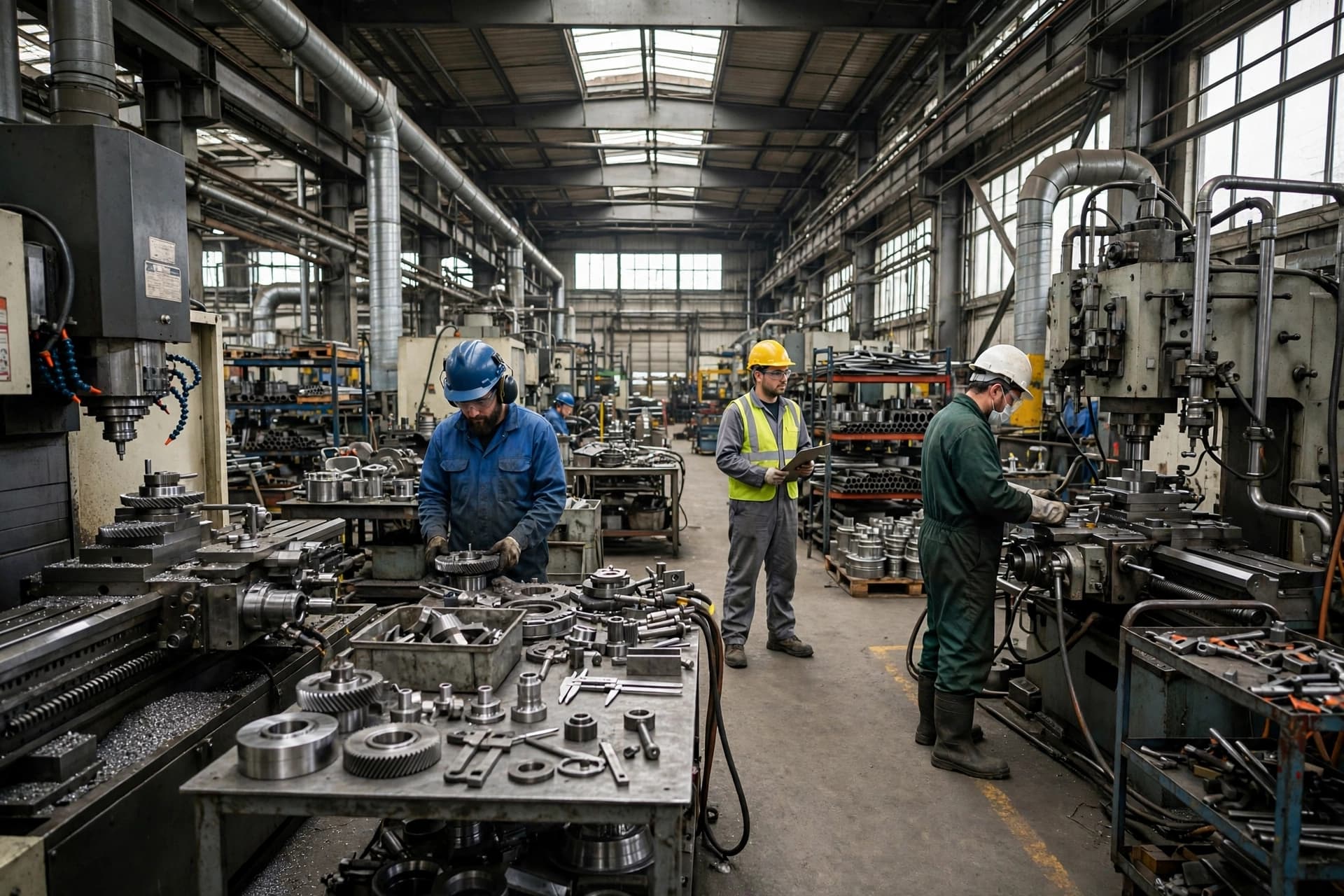
AI Image Disclaimer These accompanying visuals were generated with artificial intelligence as illustrative concepts rather than representations of real photographs.
Sources Reuters
Published by Banx Network. This article is part of the Banx decentralized media programme, powered by the BXE token on the XRP Ledger.