At the edge of the world’s largest reef, where currents move like quiet messengers and light filters down in patient layers, coral has always grown according to rhythms older than memory. Yet today, those rhythms are interrupted. Warming seas and fragile ecosystems have pressed urgency into a space once ruled by time alone. It is here, in this delicate pause between loss and renewal, that science has begun to listen more closely to coral—and to respond with new tools shaped by care rather than haste.
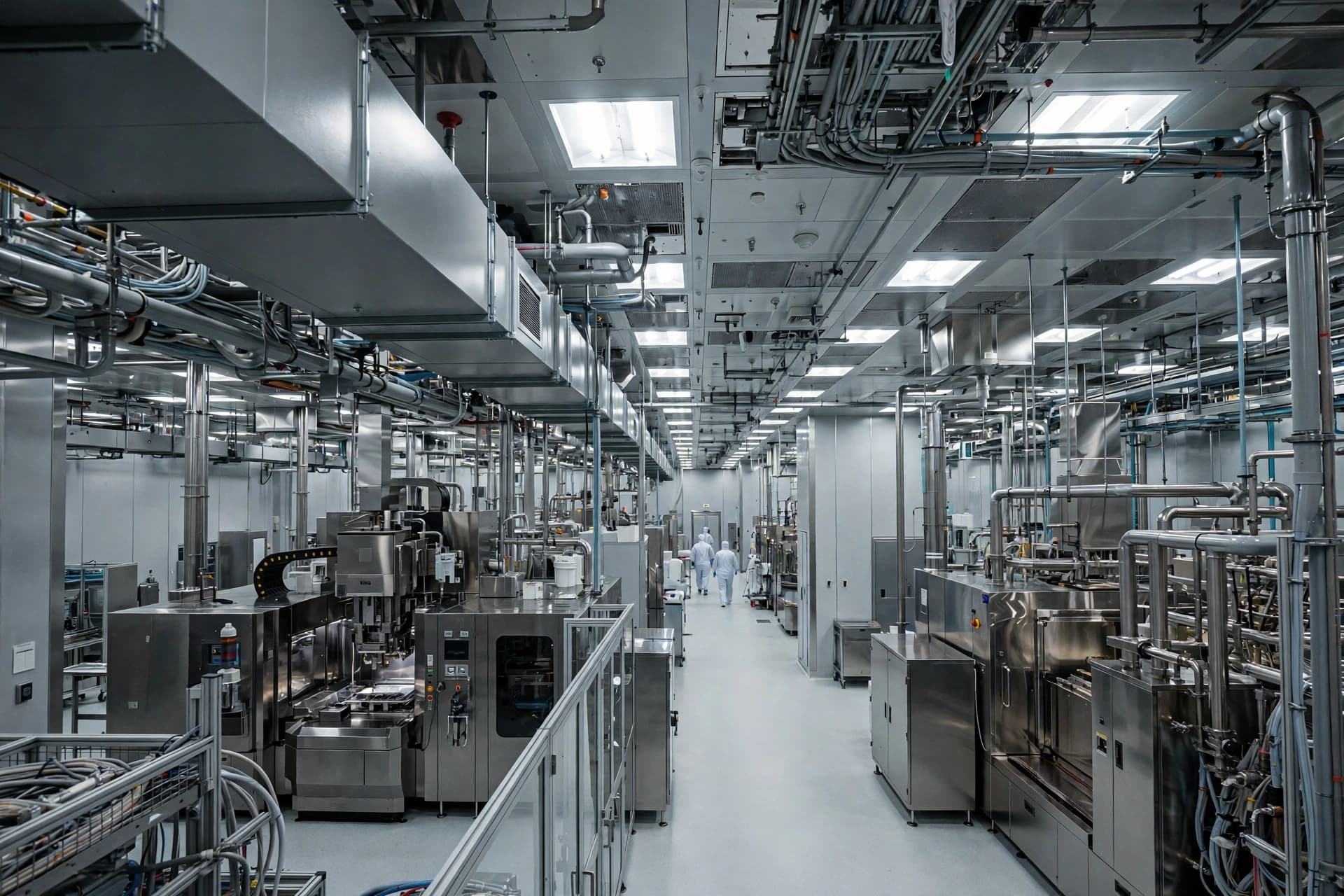
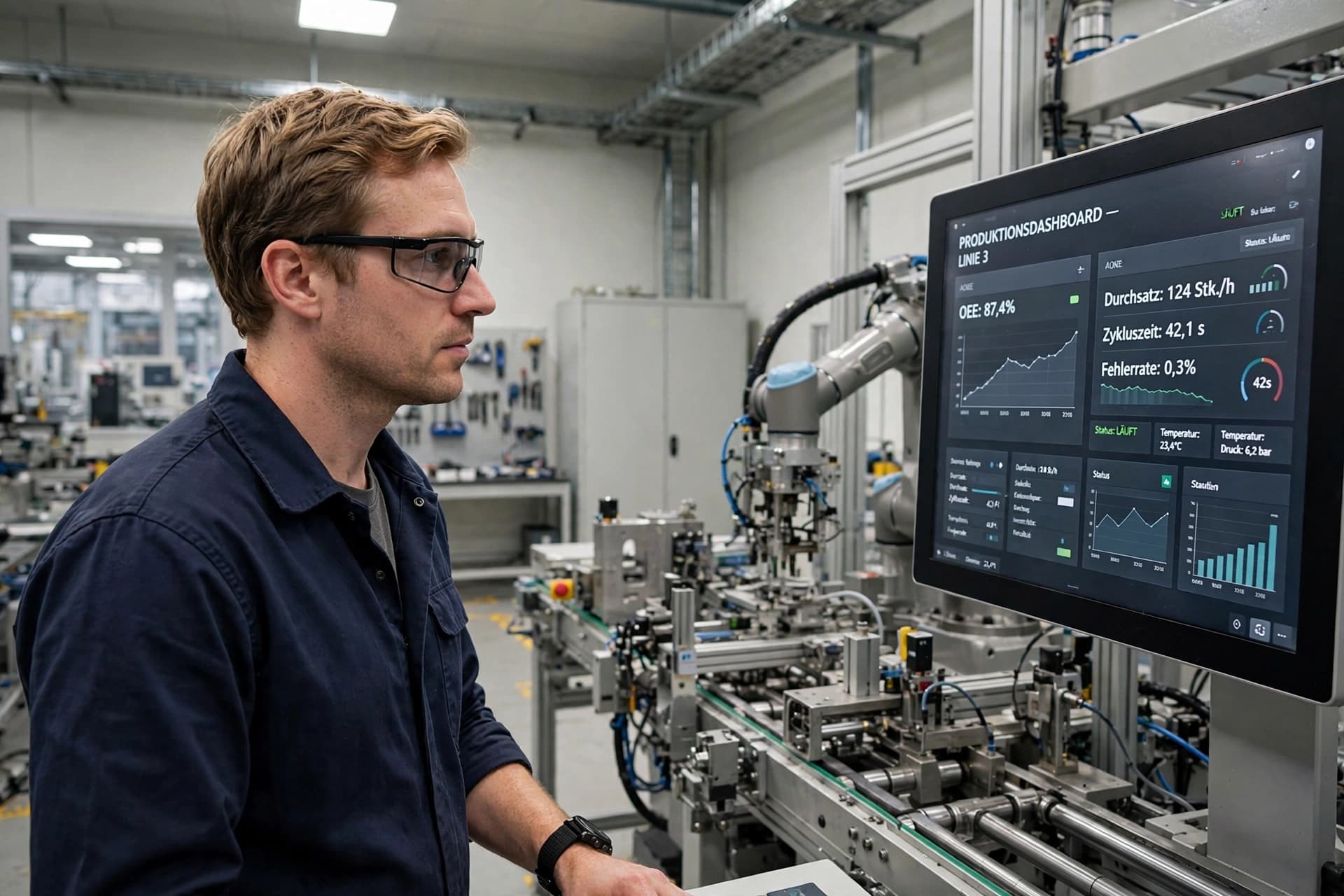
At the Australian Institute of Marine Science, coral aquaculture no longer resembles the slow, solitary tending of fragments in tanks. It has become a meeting place of biology and technology, where innovation moves gently alongside nature rather than against it. Automated monitoring systems now observe water quality continuously, adjusting temperature, light, and chemistry with a precision that once relied on manual checks. These systems do not replace human judgment, but extend it, allowing researchers to notice subtle changes before stress becomes visible to the eye.
Selective breeding, guided by genomic tools, has also begun to reshape coral propagation. By identifying heat-tolerant coral strains without altering their natural identity, scientists are working with existing resilience rather than forcing adaptation. This approach respects coral as a living archive of survival, shaped by evolution and refined through careful selection rather than radical intervention.
Microfragmentation techniques have quietly accelerated growth timelines. By breaking corals into smaller living pieces that heal and expand rapidly, aquaculture facilities can now produce reef-ready colonies in months instead of years. The process mirrors nature’s own ability to regenerate after storms, scaled thoughtfully to meet the pace of modern threats.
Robotics and mechanized deployment systems have entered the reef with restraint. Designed to reduce human disturbance, these tools help place corals accurately and efficiently, particularly in hard-to-reach areas. Their role is not dramatic but steady, allowing restoration efforts to cover broader areas while maintaining consistency and care.
Perhaps most quietly transformative is the use of data modeling and artificial intelligence. By analyzing long-term environmental data, researchers can predict survival outcomes and refine restoration strategies before corals ever touch the sea. This foresight turns restoration from reaction into preparation, offering reefs a better chance to meet the future on steadier ground.
Together, these innovations do not promise to restore reefs overnight. Instead, they offer something more measured: a way to give coral time back. At AIMS, technology has become a bridge between urgency and patience, helping coral aquaculture move forward without forgetting the slow wisdom of the reef itself. The work continues, carefully, aware that progress here is not measured in speed alone, but in survival.
AI Image Disclaimer Illustrations were produced with AI and serve as conceptual depictions, not real photographs.
Sources Australian Institute of Marine Science Nature Science BBC The Guardian
Published by Banx Network. This article is part of the Banx decentralized media programme, powered by the BXE token on the XRP Ledger.