There are times in agriculture when a solution meant to heal can feel as paradoxical as tending fire with water — the intent is prevention, yet the ripple effects stir anxieties that reach far beyond the field. In southern Africa today, such tension has arisen around foot‑and‑mouth disease (FMD) vaccines, where livestock industries find themselves balancing biosecurity against economic reach, and where choices about vaccination carry both scientific and commercial implications.
In Namibia, livestock leaders have sounded a clear warning: introducing FMD vaccines south of the veterinary cordon fence — long regarded as a “FMD‑free without vaccination” zone that underpins access to high‑value beef markets — could undermine the industry’s standing with crucial trade partners. The Namibia Agriculture Union and meat exporters emphasise that beef from vaccinated herds might be rejected by premium markets such as the European Union, United Kingdom and other countries that demand strict disease‑free status.
This position reflects an enduring dilemma in regions where FMD risk looms from bordering nations grappling with outbreaks. Vaccination is widely recognised as a key tool in controlling infectious animal diseases, yet its use can complicate disease surveillance. Authorities in importing markets often rely on the absence of vaccination to demonstrate that the virus is not circulating, and serological tests can be harder to interpret when antibodies reflect either infection or vaccine response.
Economically, this debate carries weight. Namibia’s beef export revenues to premium markets like the EU accounted for significant value in recent years, and local industry voices argue that losing this preferential access would not be compensated by shifting to lower‑price markets in other regions. While non‑vaccinated cattle in the northern zone are marketed to African neighbours, these alternative buyers typically do not offer prices that sustain the broader industry.
The wider region’s experience illustrates the complexities of disease response. In South Africa’s KwaZulu‑Natal province, authorities have actively rolled out FMD vaccination campaigns to contain a significant outbreak, deploying millions of doses in a targeted effort alongside restrictions on animal movement. The strategy involves state and registered private veterinarians working to immunise both commercial and communal cattle herds as part of containment measures.
Government voices in South Africa have underscored the importance of strict control measures, including discouraging illegal or unregulated cattle movements that could fuel further spread. These measures are paired with efforts to expand vaccination outreach and improve laboratory diagnostics as part of the outbreak response.
Meanwhile, industry and regulatory groups have also highlighted another concern: the risk of illegal vaccine distribution and misinformation. In some areas, farmers were warned against fraudulent offers of FMD vaccines from unverified sources, emphasising the need for regulated channels involved in animal health management.
Across these settings, the conversation around FMD vaccines is shaped not just by biology but by trade, trust and timing. Livestock stakeholders, public health authorities, and trading partners navigate a terrain where disease freedom, animal welfare, and market access intersect — and where choices about vaccines are weighed not only for their immediate protective benefits, but for their long‑term impact on livelihoods and export opportunities.
In news terms, livestock industry representatives in Namibia have warned that introducing FMD vaccines south of the country’s veterinary buffer zone could jeopardise access to premium beef markets that require “FMD‑free without vaccination” status. Authorities in South Africa are stepping up a targeted FMD vaccination campaign as part of outbreak control, while industry groups continue to urge regulated and coordinated approaches to vaccine use.
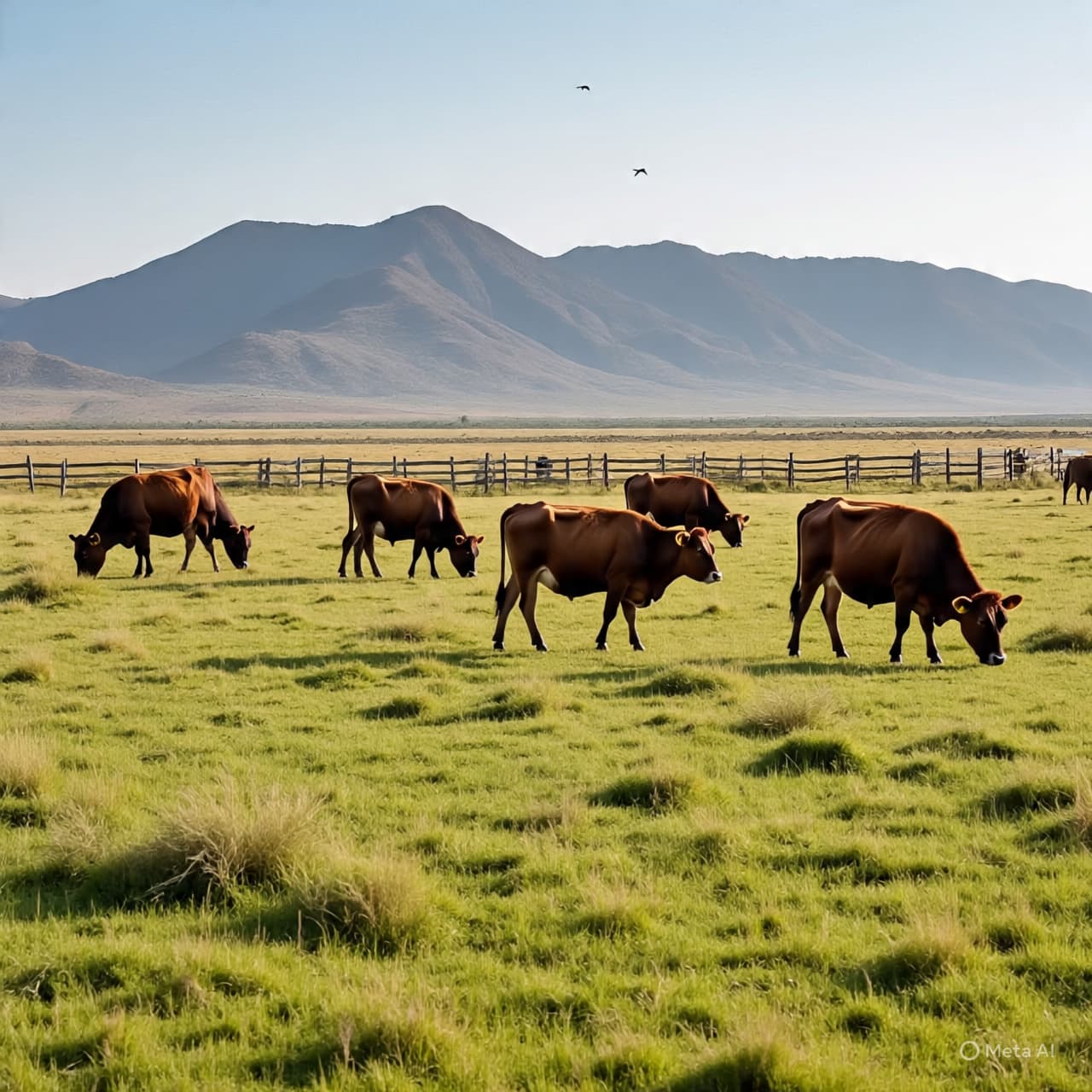
AI Image Disclaimer Visuals are created with AI tools and are not real photographs.
Sources: The Namibian Farmers Magazine IOL Farmers Weekly African Farming
Published by Banx Network. This article is part of the Banx decentralized media programme, powered by the BXE token on the XRP Ledger.