There are moments in medicine when progress does not arrive with sudden certainty, but rather with a quiet shift—an incremental refinement that, over time, reshapes how illness is seen and understood. In the intricate landscape of the human heart, where rhythm and function intertwine in delicate balance, even a subtle improvement in diagnosis can carry profound meaning.
Recent developments in artificial intelligence are beginning to suggest such a shift. Emerging tools designed to assist in diagnosing advanced heart failure are drawing attention from researchers and clinicians alike, offering the possibility of earlier detection and more precise evaluation. These systems, trained on vast datasets of medical images and patient records, aim to recognize patterns that may not always be immediately visible through traditional methods.
Heart failure, particularly in its advanced stages, presents a complex challenge. Symptoms can overlap with other conditions, and progression is often gradual, making timely diagnosis difficult. In this context, AI-based tools function less as replacements for clinical judgment and more as companions—providing additional layers of insight that may help physicians make more informed decisions.
The promise lies in the ability of these systems to analyze data at scale. Imaging results, electronic health records, and even subtle physiological indicators can be integrated into a single analytical framework. Where human observation might focus on key markers, artificial intelligence can simultaneously consider thousands of variables, identifying correlations that might otherwise remain unnoticed.
Early studies suggest that such tools may improve diagnostic accuracy, particularly in distinguishing between different forms of heart failure or identifying patients at higher risk of rapid deterioration. This could, in turn, influence treatment pathways, enabling more tailored interventions and potentially improving patient outcomes.
Yet, as with many technological advances in healthcare, the path forward is measured rather than immediate. Questions remain around validation, data diversity, and integration into existing clinical workflows. Ensuring that AI systems perform reliably across different populations and healthcare settings is essential, as is maintaining transparency in how these tools reach their conclusions.
There is also a broader reflection at play—one that touches on the evolving relationship between technology and medicine. The introduction of AI into diagnostic processes invites consideration not only of capability, but of trust. Patients and practitioners alike must navigate a landscape where algorithms contribute to decisions that carry deeply human consequences.
Still, the trajectory appears to be one of cautious optimism. As research continues and clinical trials expand, the role of AI in cardiology may become more clearly defined. Rather than transforming medicine overnight, it is more likely to integrate gradually, supporting clinicians in ways that enhance, rather than replace, their expertise.
In this unfolding story, the heart remains at the center—not only as an organ of biological complexity, but as a symbol of the careful balance between innovation and care. Each advancement, however small it may seem, contributes to a larger effort to understand and treat conditions that affect millions worldwide.
For now, the development of AI tools for advanced heart failure diagnosis remains an area of active research. Clinical validation is ongoing, and broader adoption will depend on further evidence and regulatory review. As these processes continue, the focus remains on ensuring that innovation aligns with safety, accuracy, and the needs of patients.
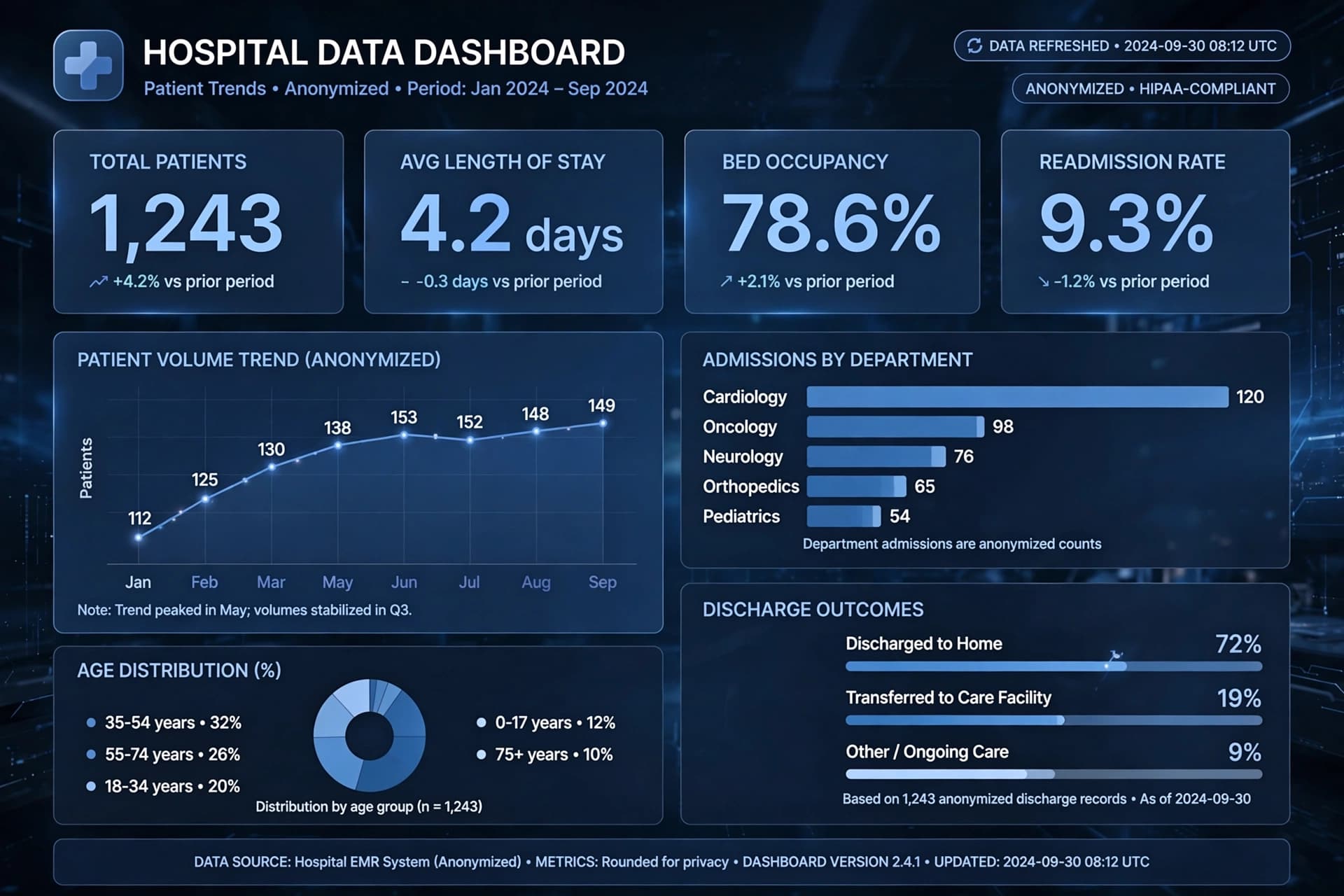
AI Image Disclaimer Images in this article are AI-generated illustrations, meant for concept only.
Source Check (Credible Media Identified): Reuters BBC News The Guardian Nature The Lancet
Published by Banx Network. This article is part of the Banx decentralized media programme, powered by the BXE token on the XRP Ledger.