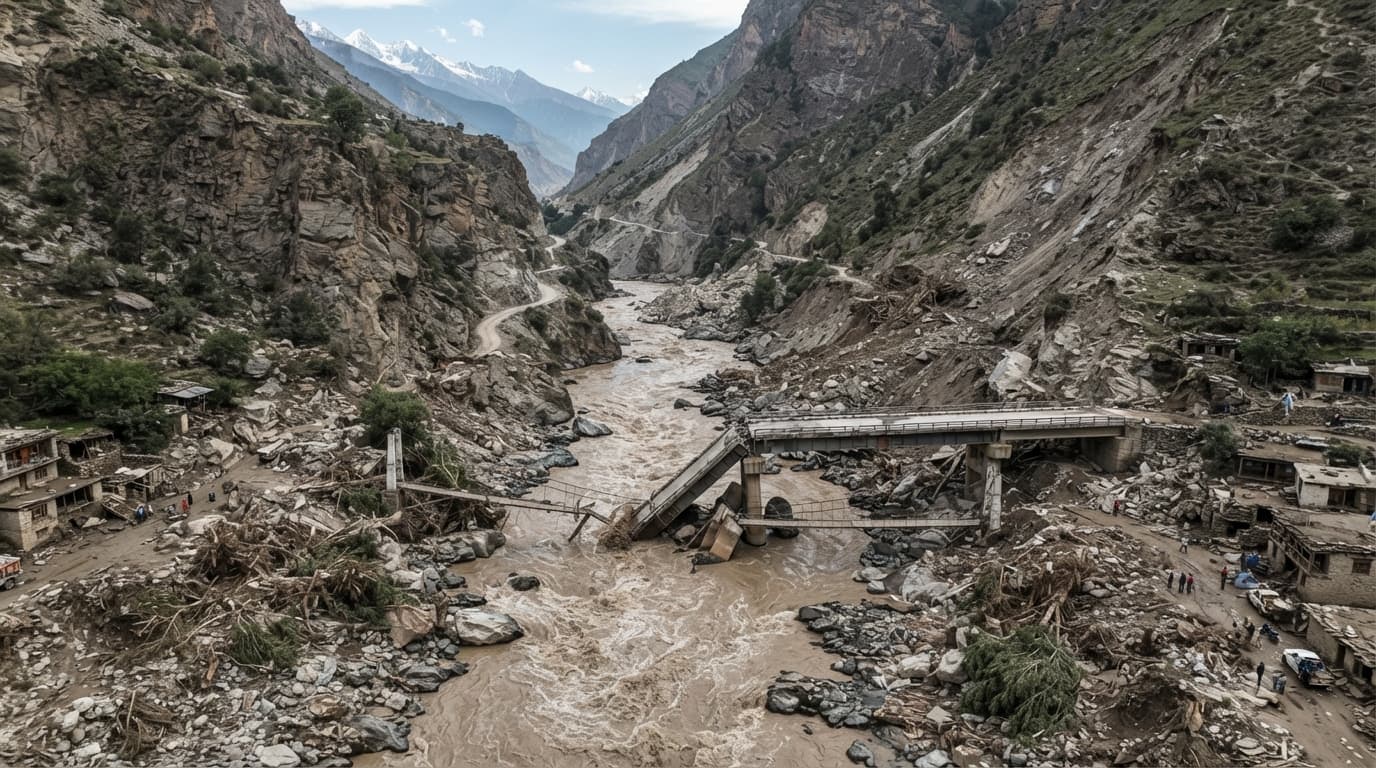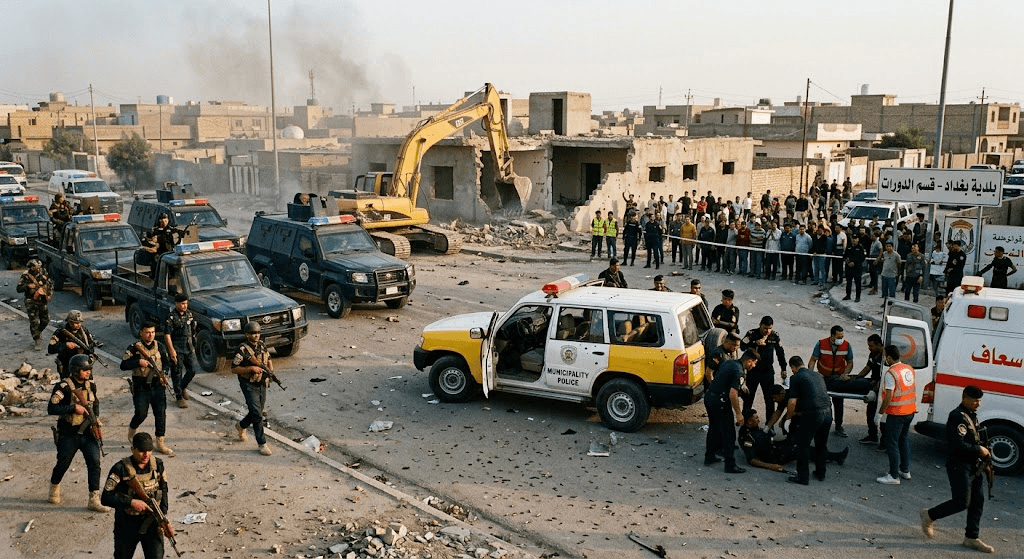
In the cool dim of a winter afternoon, when the sun hangs low over Tehran and the gentle rustle of leaves seems louder for the absence of other sound, a strange quiet fills the streets and homes of Iran. Behind closed doors and shuttered shops, radios hum softly, and families move with familiar rhythms — yet there is an undercurrent of stillness shaped by an absence no eye can see and no hand can touch: the hush of the internet, a vast digital expanse abruptly cut off at its source.
Since early January, when widespread protests first unfolded across cities and towns, Iran’s government imposed a near‑total communications blackout — silencing not just social media and messaging apps but entire swaths of the global internet. For days, and in places still, people found their screens stagnant, connections severed, and the hum of the online world reduced to silence. Such blackouts are not new in this land; they have been wielded before as a brake on dissent and a filter on the flow of information. Yet each time, the stillness amplifies the human need for connection, weaving a quiet tension between absence and the longing for communication.
The impact has been profound. Without reliable internet, families abroad found themselves unable to reach loved ones, voices muted across continents, and the usual digital passages that carry news and reassurance from one city to the next erased in an instant. The blackout did not just disrupt screens and servers; it amplified the sense of isolation, as domestic alternatives — state‑run intranets and filtered networks — only faintly echoed the breadth of the wider web beyond Iran’s borders.
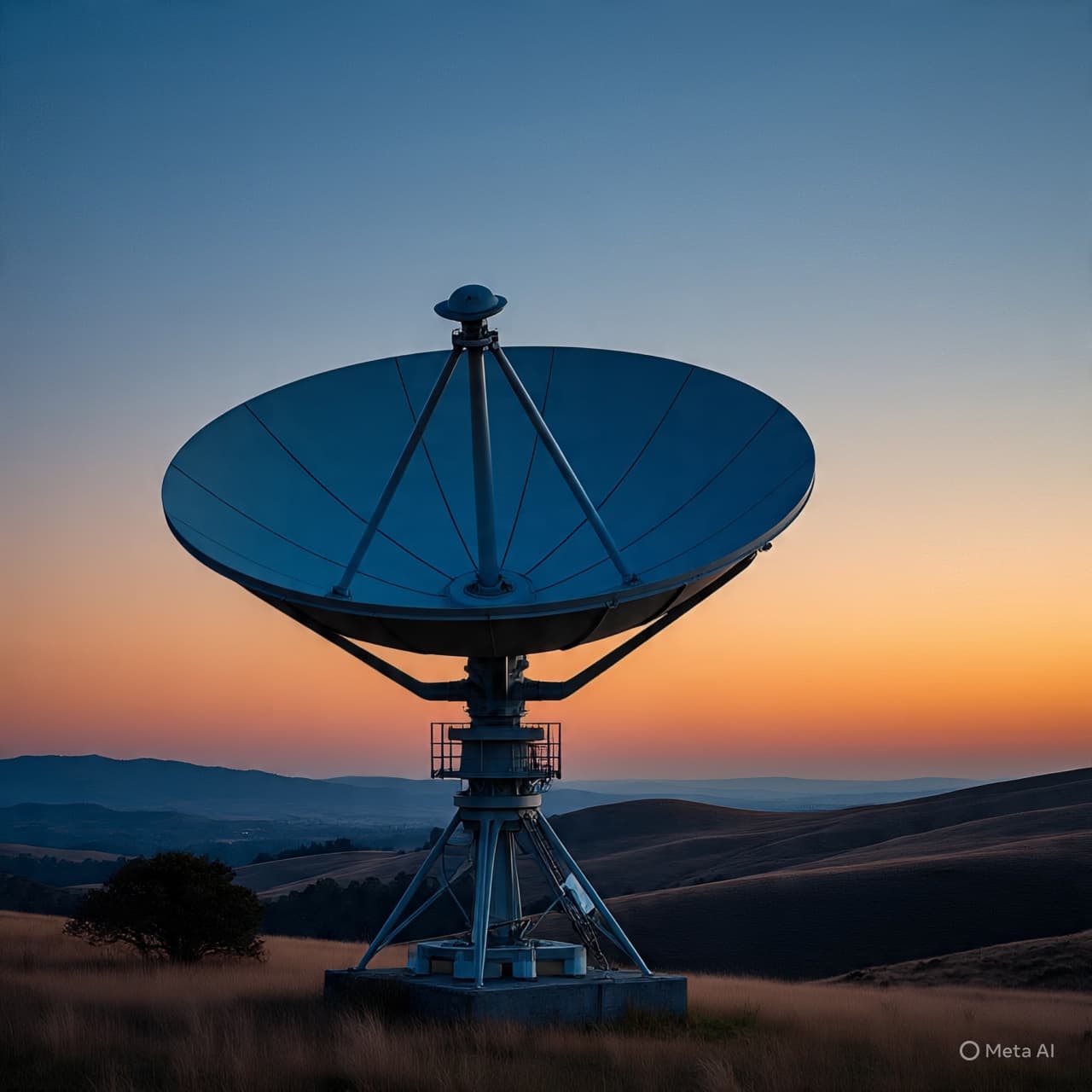
In this interstice — between connection and silence — the question of how to help emerges not as a political slogan but a human impetus. Washington, for its part, has begun to frame responses that acknowledge both the immediate crisis and the deeper need for sustainable paths to connectivity. Some observers urge support for technologies that allow Iranians to maintain access even when terrestrial networks fail, such as robust satellite internet services that can bypass on‑the‑ground restrictions. These technologies have already been used in previous outages, demonstrating that when ground lines falter, signals from above can still reach those seeking to share a message or call a distant voice.
But the task is not simple. Satellite links, while promising, come with risks and limitations, both technical and political; authorities within Iran have taken steps to block or jam these signals when they appear, and possession of such technology can carry peril for those under tight surveillance. Likewise, traditional tools like virtual private networks — once a staple for circumventing censorship — are deeply limited when the basic internet infrastructure is shut off altogether.
Another avenue lies in legislative efforts such as the FREEDOM Act, a bipartisan measure under consideration in the U.S. Congress. This proposal seeks to strengthen the feasibility of direct‑to‑cell and satellite technologies that could deliver information to Iranians without reliance on state‑controlled networks — a form of digital resilience long talked about but only now urgently tested by events. Supporters argue that such policies, combined with sustained funding for digital freedom programs, could help prepare for future blackouts not by confronting them head‑on, but by expanding the range of tools Iranians can use to stay connected when the main pathways go dark.
From a broader perspective, these efforts reflect an understanding that connectivity is not a luxury but a form of shared humanity — a way for stories to travel, for witnesses to testify, and for distant families to hold onto one another across miles and moments of darkness. They remind us that, in a world shaped by networks, the loss of connection is not merely a technical failure but a fracture in the communal narrative. Crafting responses that are rooted in both technology and empathy is thus less about strategy and more about sustaining the fragile bridges that allow human voices to be heard.
In straight news language, analysts say that Iran’s recent government‑imposed internet blackout, enacted amid widespread protests, has significantly disrupted access to international networks, leaving citizens cut off from global communications and social media platforms. The outage has coincided with efforts by advocates and some U.S. policymakers to expand tools such as satellite internet, encrypted communication apps, and legislation like the FREEDOM Act to help Iranians maintain connectivity during future shutdowns. Critics note challenges including technical limitations, government countermeasures, and diplomatic sensitivities in implementing such measures.
AI Image Disclaimer
Visuals are AI-generated and serve as conceptual representations.
Sources (Media Names Only)
The Hill NetBlocks Washington Post Iran International Middle East Online
Published by Banx Network. This article is part of the Banx decentralized media programme, powered by the BXE token on the XRP Ledger.