Lhasa, China—A catastrophic glacial collapse high in the Himalayas unleashed destructive torrents across the Tibet Autonomous Region, leaving seven people dead and numerous others missing. The sudden environmental disaster struck mid-week near the strategic border crossing at Gyirong Port. Seismometers in multiple countries recorded a magnitude 5.2 seismic signature as bedrock beneath an immense glacier gave way. The massive volume of falling ice and rock triggered immediate flash flooding throughout the valley below.
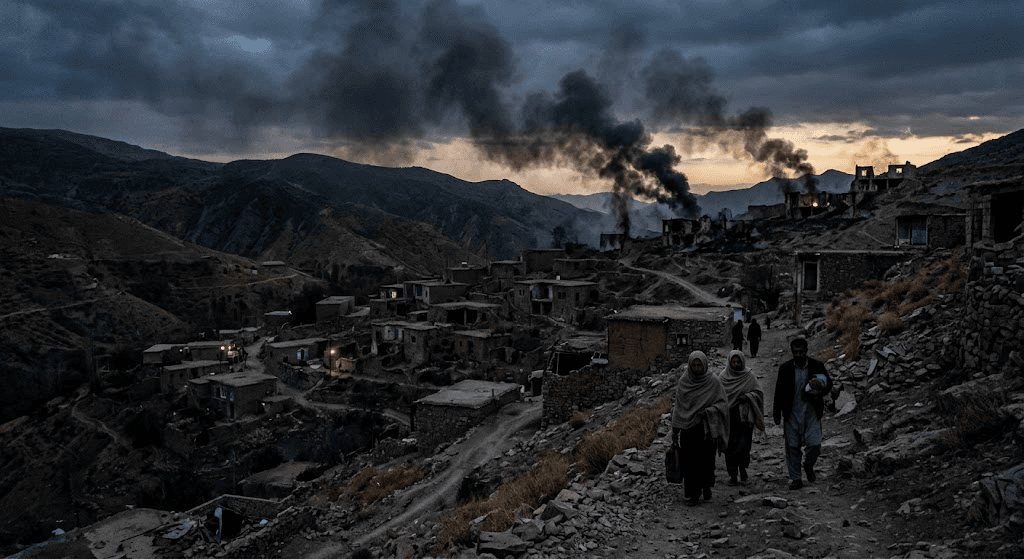
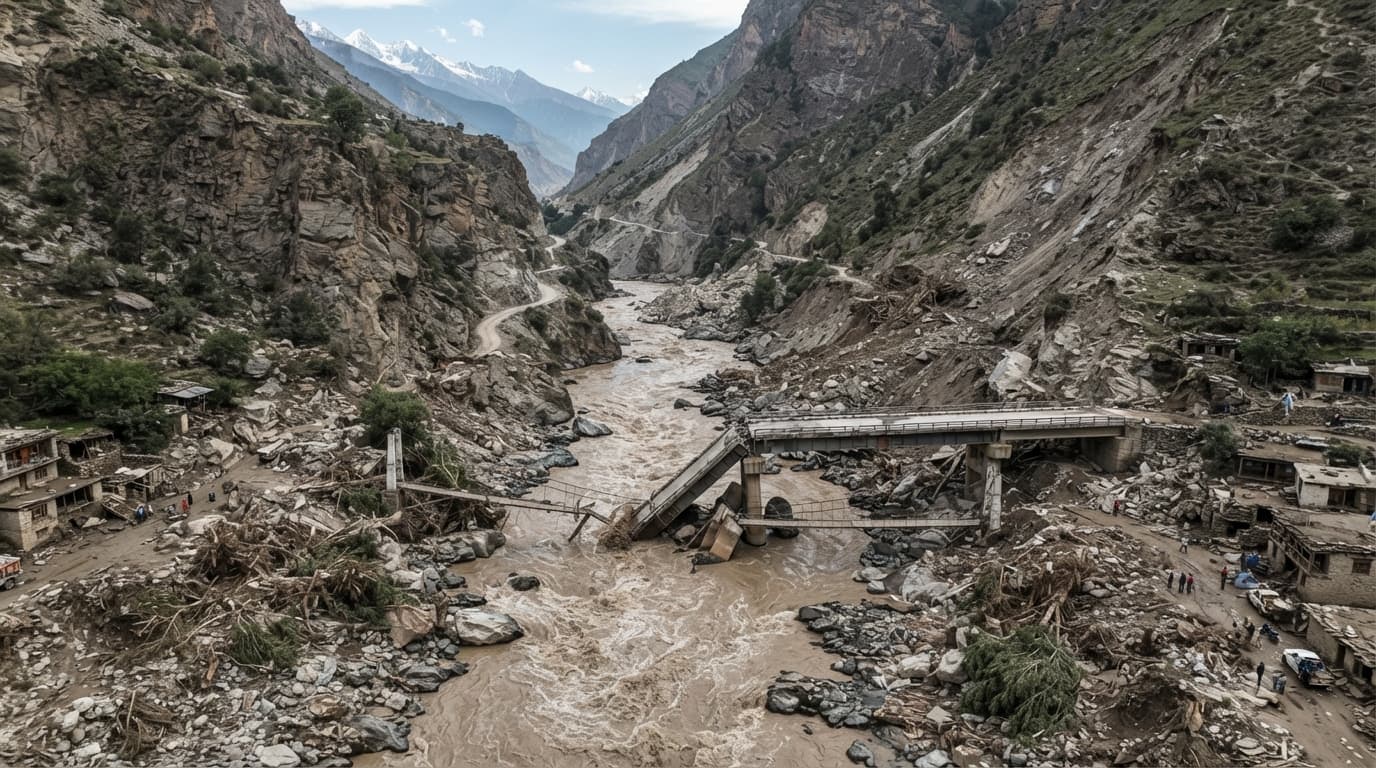
Chinese state media and local disaster response headquarters confirmed the initial casualty figures on Saturday. Gyirong County bore the brunt of the debris flow, which destroyed infrastructure and commercial port facilities. Mud and glacial meltwater surged downstream at extreme velocities, obliterating bridges and riverside pathways. Rescue personnel faced immense difficulties accessing remote gorges blocked by tons of stone and mud.
Search and rescue operations intensified as teams deployed helicopters and specialized heavy excavation units into the border zone. Officials noted that hundreds of individuals remain unaccounted for across the wider trans-boundary river basin. Downstream areas on both sides of the international border experienced sudden, unprecedented water level spikes.
Geomorphologists analyzing satellite telemetry indicated that the high-velocity impact melted substantial ice volumes instantly. The resulting slurry destroyed remote outpost stations before automated telemetry warnings could transmit. Traditional monitoring networks proved incapable of tracking sub-glacial bedrock failures of this magnitude.
Regional authorities established emergency command posts to coordinate relief logistics for displaced residents and stranded travelers. Medical teams set up triage tents near accessible staging zones to treat survivors suffering from hypothermia and trauma. Heavy engineering units began clearing arterial mountain tracks to restore communication links.
Environmental scientists have long warned about accelerating glacial destabilization across high-altitude Asian mountain ranges. Rising temperatures weaken internal rock structures supporting ancient ice masses. Sudden structural collapses present severe risks to downstream settlements and cross-border commercial corridors.
Diplomatic channels remain active as Beijing coordinates disaster response information with neighboring authorities. International rescue federations estimated that tens of thousands of residents across the broader watershed felt the impact of the floods. Recovery crews continue working downstream despite adverse weather conditions hindering aerial visibility.
Engineers are surveying remaining glacial lakes in the upper peaks for secondary rupture risks. Regional disaster management agencies remain on high alert as unstable weather patterns persist over the Himalayan ridge. Further assessments depend on clearing debris from obstructed river gorges.
Published by Banx Network. This article is part of the Banx decentralized media programme, powered by the BXE token on the XRP Ledger.