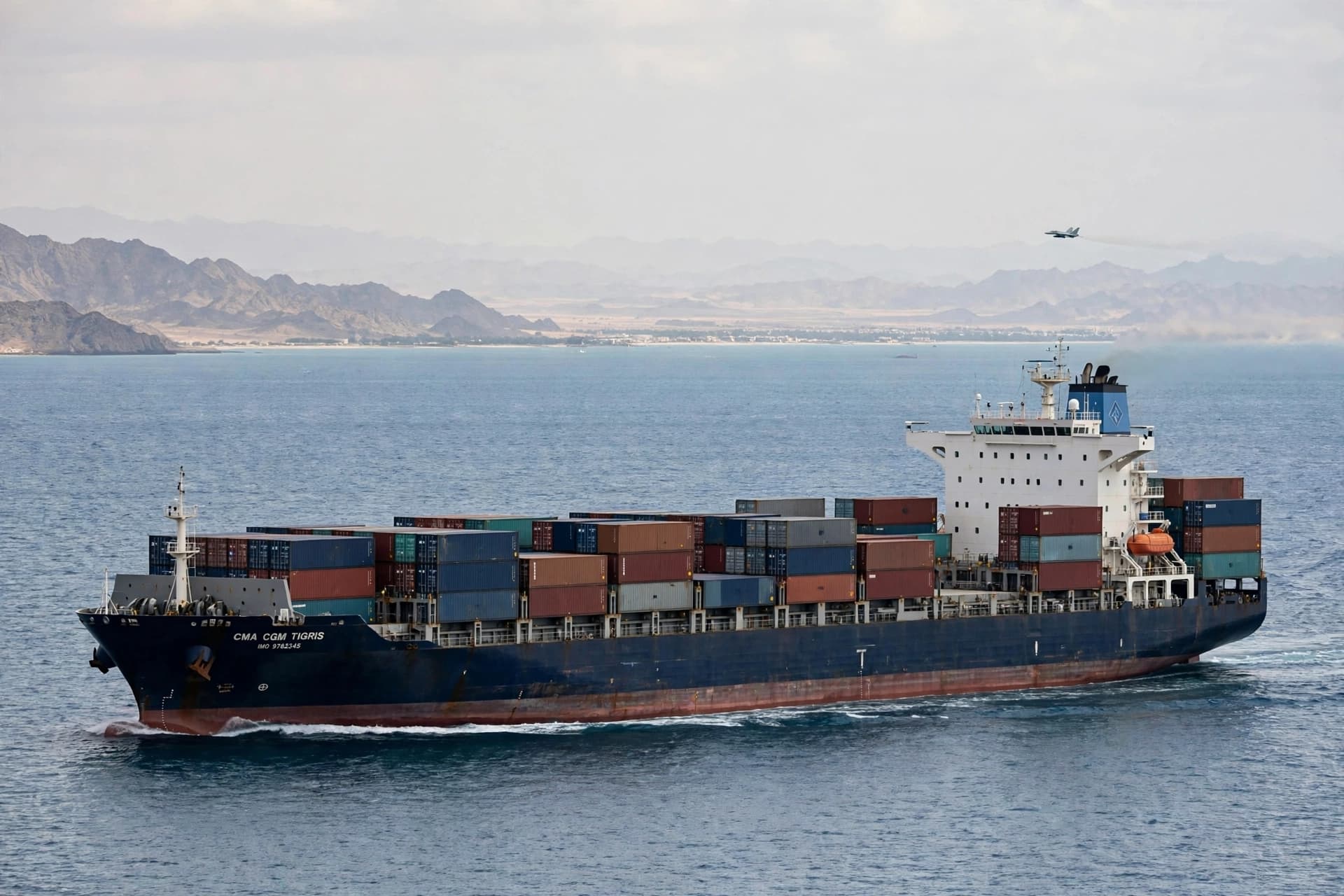
The sky over the Taiwan Strait wore the pale white of winter dawn, a still canvas suddenly stirred by the distant thunder of jets and the rhythmic wake of naval hulls cutting through cold waters. In a region where history and hope swirl like morning mist over the sea, China’s latest military drills unfolded a choreography of power that Beijing describes as a solemn message to those it sees as pulling at the threads of cross‑strait stability.
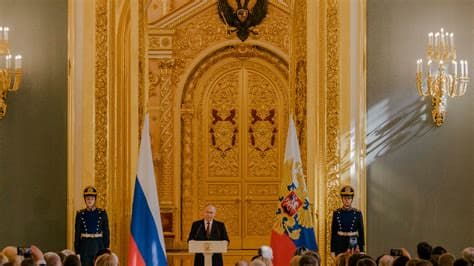
For Beijing’s defense ministry, these exercises were not just maneuvers but a statement a deliberate, articulated warning to “Taiwan independence” advocates and external powers thought to be fanning the flames of separation. The Eastern Theater Command’s live‑fire drills encircled Taiwan with ships, aircraft and simulated strikes that underscored China’s insistence on its claim to the island’s future. In official remarks, spokespeople framed the activities as necessary steps to safeguard “sovereignty, unity and territorial integrity,” casting the exercises as protective rather than provocative.
Across the water, in Taipei, the ripples of those drills were felt not as wind against sails but as a gust against resolve. Taiwanese authorities denounced the exercises, portraying them as destabilizing and something that undermines regional peace. Forces in Taiwan were placed on alert, and leaders spoke in measured tones, faced with the delicate balance between deterrence and escalation. International travellers passing through the region felt the tangible effects as flights were rerouted or delayed, a reminder of how swiftly geopolitical currents can reach into daily life.
Beyond the strait, the wider world watched too. The United States, recently at the center of a landmark arms deal with Taiwan, defended its support as aligned with stability and deterrence. Other regional capitals, wary of any disruption to peace and trade, urged calm while reiterating commitments to diplomatic norms. Analysts noted that while the drills showcased China’s growing military capabilities, they also reflected deeper tensions around questions of sovereignty, identity and the long‑standing yet unresolved status of Taiwan.
In a theatre where words are as powerful as warships, the narrative woven by Beijing and rebutted from Taipei illustrates the fragile tapestry of East Asian security: one in which gestures of strength are meant to secure peace, yet inevitably stir international attention and concern.
As these exercises wind down, the Strait returns to its quiet rhythms of ferry horns and fishing boats, but the echo of last week’s drills lingers a reminder that beneath calm waters can lie currents swift and strong, and that in diplomacy as in nature, stillness can be both fragile and profound.
AI Image Disclaimer “Visuals are created with AI tools and are not real photographs; they are intended as conceptual illustrations of the events.”
Sources Major Media Used: Reuters, Associated Press, The Washington Post, Anadolu Agency, TIME.
Published by Banx Network. This article is part of the Banx decentralized media programme, powered by the BXE token on the XRP Ledger.