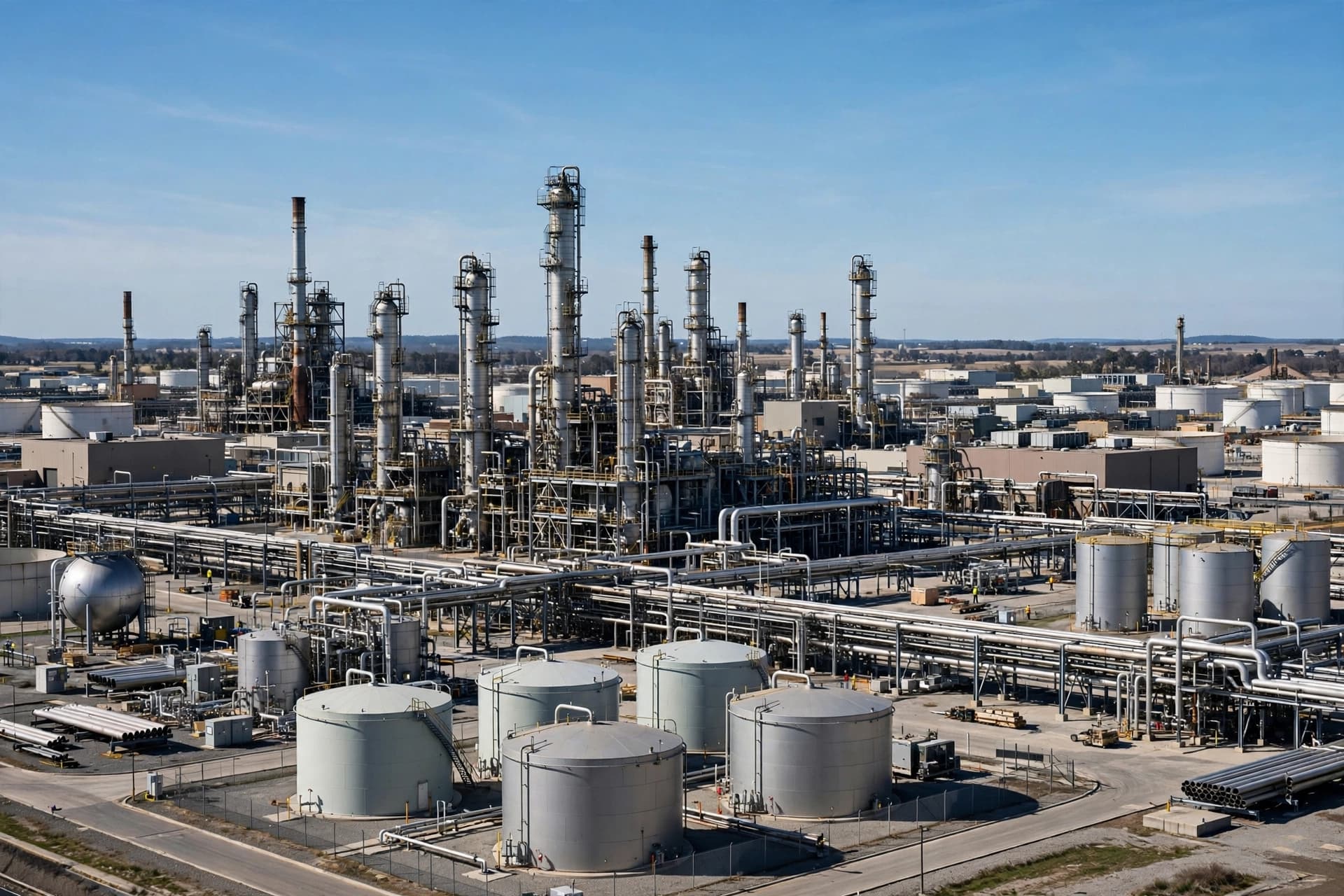
In the soft light of dawn, industries awaken to new possibilities — and for one company, that new dawn has arrived not quietly, but in a crescendo. The story of Lilly, a firm rooted in decades of pharmaceutical tradition, has now intersected with the zeitgeist of weight-loss medicine, creating a rare convergence of health need, investor fervour, and corporate ambition.
Lilly’s transformation did not happen overnight. For many years, it laboured in the pharmaceutical realm alongside familiar peers, known for solid medicines but not always headline-making valuations. Then the metabolism challenge — obesity, diabetes, and their sprawling health burdens — began to be addressed with unprecedented tools: drugs like those based on tirzepatide, marketed by Lilly as Mounjaro for type 2 diabetes and Zepbound for obesity. As the data accumulated and the uptake surged, the market’s view of Lilly shifted. What once might have been seen as a steady pharma company now became a potential growth engine in a trillion-dollar projection for the obesity treatment space.
On November 21, 2025, Lilly briefly reached a market capitalisation above $1 trillion, making it the first pharmaceutical company to join that exclusive club. The vehicle for this leap? The convergence of strong commercial uptake of its weight-loss offerings, a global health-care pivot toward metabolic treatments, and the investor rotation away from tech toward healthcare value-plays.
In its most recent quarter, Lilly derived over half of its total revenue — more than $10 billion — from its obesity and diabetes portfolio. The company also lifted its full-year guidance by more than $2 billion in October in light of rising demand.
But the story is not just about numbers. Think of it as a great pendulum swinging: on one side, the enduring burden of metabolic disease; on the other, the rising capacity of medicine to intervene meaningfully. Lilly, in stepping up, has become the bridge between them. Yet the pendulum also raises questions: can the momentum hold? Will pricing, regulatory scrutiny, manufacturing scale, and competition weigh on the ascent?
Indeed, analysts point out that Lilly now trades at around 50 times expected earnings, a level that suggests considerable investor expectations are baked in. Moreover, challenges such as global access, regulatory negotiation (for example, in pricing and reimbursement), and the ability to deliver the next wave of drugs (including orally administered ones) loom ahead.
The company’s pipeline includes promising drugs such as Orforglipron (an oral GLP-1 therapy) which could open new frontiers in obesity treatment — and by extension, help sustain the momentum.
In essence, Lilly’s achievement is less about being the biggest pharma company and more about being the one that best tapped into the shifting structural dynamics of healthcare. The obesity epidemic meets high-efficacy therapy meets capital markets thirst for growth. It is this triple intersection that has produced today’s landmark.
Still, medicine is a long game, not a sprint. The pressures of manufacturing scale, global equity, pricing, and competitive innovation mean the company must deliver beyond this moment if it is to sustain it. For shareholders, regulators, patients and practitioners alike, Lilly now stands in the spotlight — a pharmaceutical firm elevated not just by routine product launches, but by the sense of a larger shift underway.
AI Image Disclaimer “Visuals are created with AI tools and are not real photographs.”
Sources: Reuters Financial Times Barron’s BioPharma Dive Business Today
Published by Banx Network. This article is part of the Banx decentralized media programme, powered by the BXE token on the XRP Ledger.