Healthcare is often measured through statistics, budgets, and policy discussions, yet at its heart lies a profoundly human story. Every patient represents an individual seeking care, reassurance, and support. As the United States experiences significant demographic shifts, healthcare providers are increasingly focused on preparing for a future defined by growing demand and evolving expectations.
One of the most important factors shaping this landscape is population aging. Advances in medicine and public health have helped people live longer lives, creating new opportunities but also increasing demand for healthcare services. Hospitals, clinics, and care providers are adapting to meet these changing needs.
Medical innovation continues to transform treatment possibilities. New therapies, diagnostic tools, and digital health technologies are improving outcomes for many patients. However, these advancements also require investment in infrastructure, training, and specialized expertise.
Healthcare systems are exploring ways to improve efficiency while maintaining quality. Telemedicine, digital records, and data-driven care models have become increasingly important as providers seek to enhance accessibility and patient experience.
Workforce challenges remain a significant concern. Doctors, nurses, technicians, and support staff play essential roles within healthcare systems, yet many regions continue facing shortages of qualified professionals. Recruitment and retention efforts have therefore become major priorities.
Preventive care is receiving growing attention as well. Encouraging healthier lifestyles and earlier intervention can help reduce long-term healthcare burdens while improving overall quality of life. Public health initiatives often complement clinical care in achieving these goals.
Economic considerations are closely connected to healthcare planning. Rising demand can place pressure on resources, making strategic investment increasingly important. Policymakers and healthcare organizations continue evaluating approaches that balance affordability, accessibility, and effectiveness.
Technology offers promising opportunities for improvement. Artificial intelligence, remote monitoring systems, and advanced analytics may help healthcare providers deliver more personalized and efficient care. These tools are becoming valuable components of modern healthcare strategies.
As healthcare systems prepare for the future, the challenge extends beyond managing demand. The broader objective is to ensure that advances in medicine translate into meaningful improvements in people's lives. In that effort, innovation, compassion, and long-term planning remain equally important.
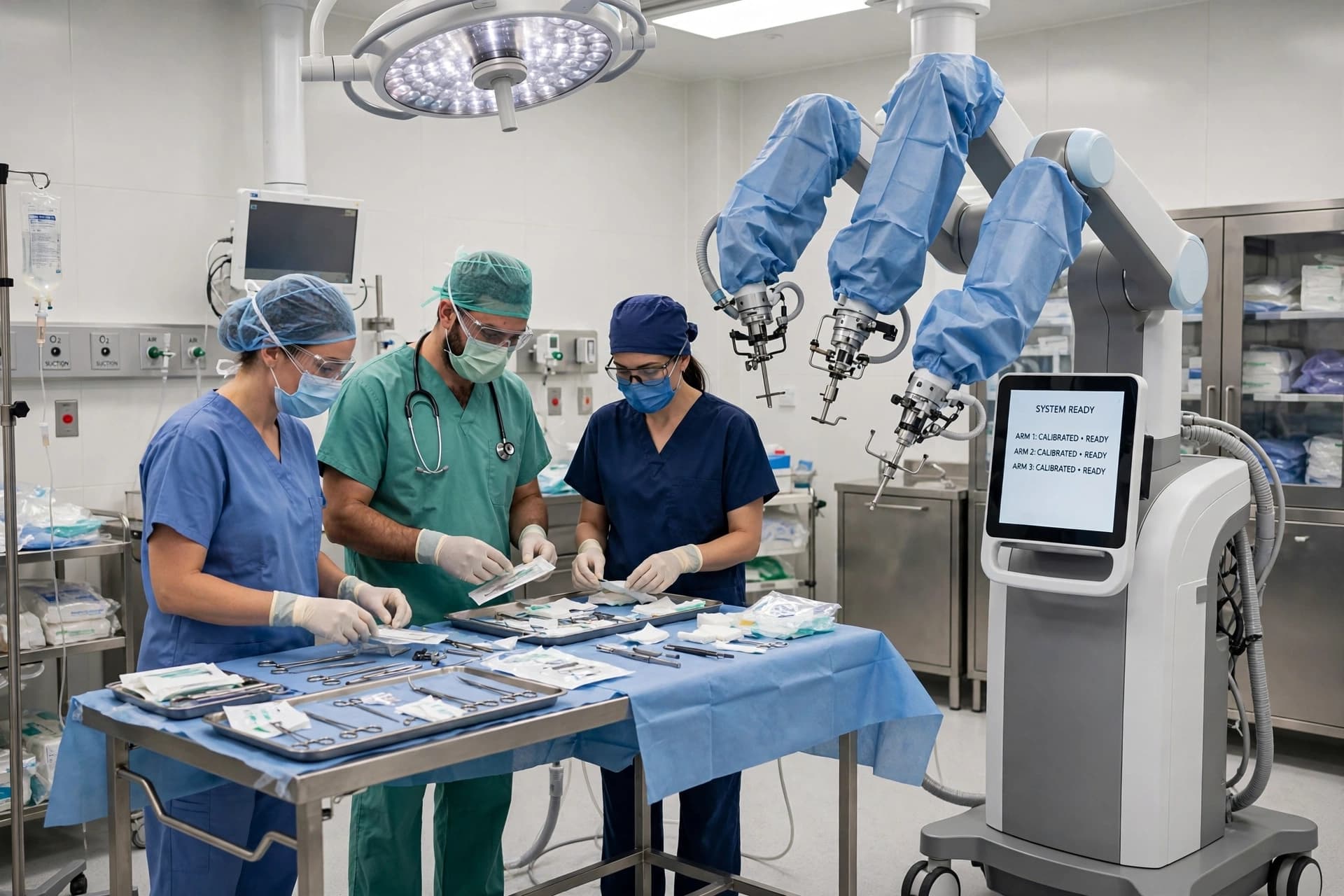
AI Image Disclaimer Illustrations were produced with AI and serve as conceptual depictions.
Source Check Reuters Associated Press Bloomberg CNBC The New York Times
Published by Banx Network. This article is part of the Banx decentralized media programme, powered by the BXE token on the XRP Ledger.