Opening
In many American yards, the ritual of tending grass has long been a quiet act a spray here, a pull there as ordinary as the passing seasons. Yet some routines, once unquestioned, slowly gather stories beneath their surface. What begins as maintenance can, over time, become memory, and memory can turn into a question the nation must answer together. It is in this reflective space, between habit and hindsight, that the Supreme Court has stepped into a case rooted not only in law, but in lived experience.
Content
The U.S. Supreme Court has agreed to hear an appeal that could reshape the future of thousands of lawsuits involving Roundup, the widely used weed killer originally developed by Monsanto and now owned by Bayer. At the center of the case is a legal tension that has simmered for years: whether federal pesticide regulations override state-level claims that manufacturers failed to adequately warn consumers about potential cancer risks.
For plaintiffs, many of whom have been diagnosed with non-Hodgkin lymphoma, the lawsuits are personal narratives of trust placed in a household product. They argue that Roundup’s labeling did not reflect emerging scientific concerns about glyphosate, its key ingredient. Some international health agencies have classified glyphosate as a probable carcinogen, while U.S. regulators, including the Environmental Protection Agency, have maintained that it is unlikely to cause cancer when used as directed. Between these differing assessments lies a wide space of uncertainty one that courts across the country have struggled to interpret consistently.
Bayer, facing massive legal exposure after acquiring Monsanto in 2018, contends that allowing state lawsuits to proceed undermines the authority of federal regulators. The company argues that compliance with federal labeling requirements should provide legal protection, warning that a contrary ruling could expose many regulated industries to overlapping and conflicting standards. Lower courts have issued mixed rulings, creating a legal patchwork that ultimately drew the Supreme Court’s attention.
Beyond corporate balance sheets and courtroom strategy, the case carries broader implications. It touches on how scientific debate is translated into consumer warnings, how much weight federal approval should carry, and whether individuals retain the right to challenge products they believe caused them harm. Each argument reflects a different vision of protection one grounded in regulatory uniformity, the other in individual recourse.
Closing
The Supreme Court’s eventual decision will not determine the safety of Roundup itself, but it will clarify how far federal law reaches when personal injury claims collide with national regulatory standards. As the justices prepare to hear the case, thousands of pending lawsuits remain in limbo. The ruling, when it comes, will quietly but firmly redraw the boundaries between federal authority, corporate responsibility, and the voices of those who sought answers in court.
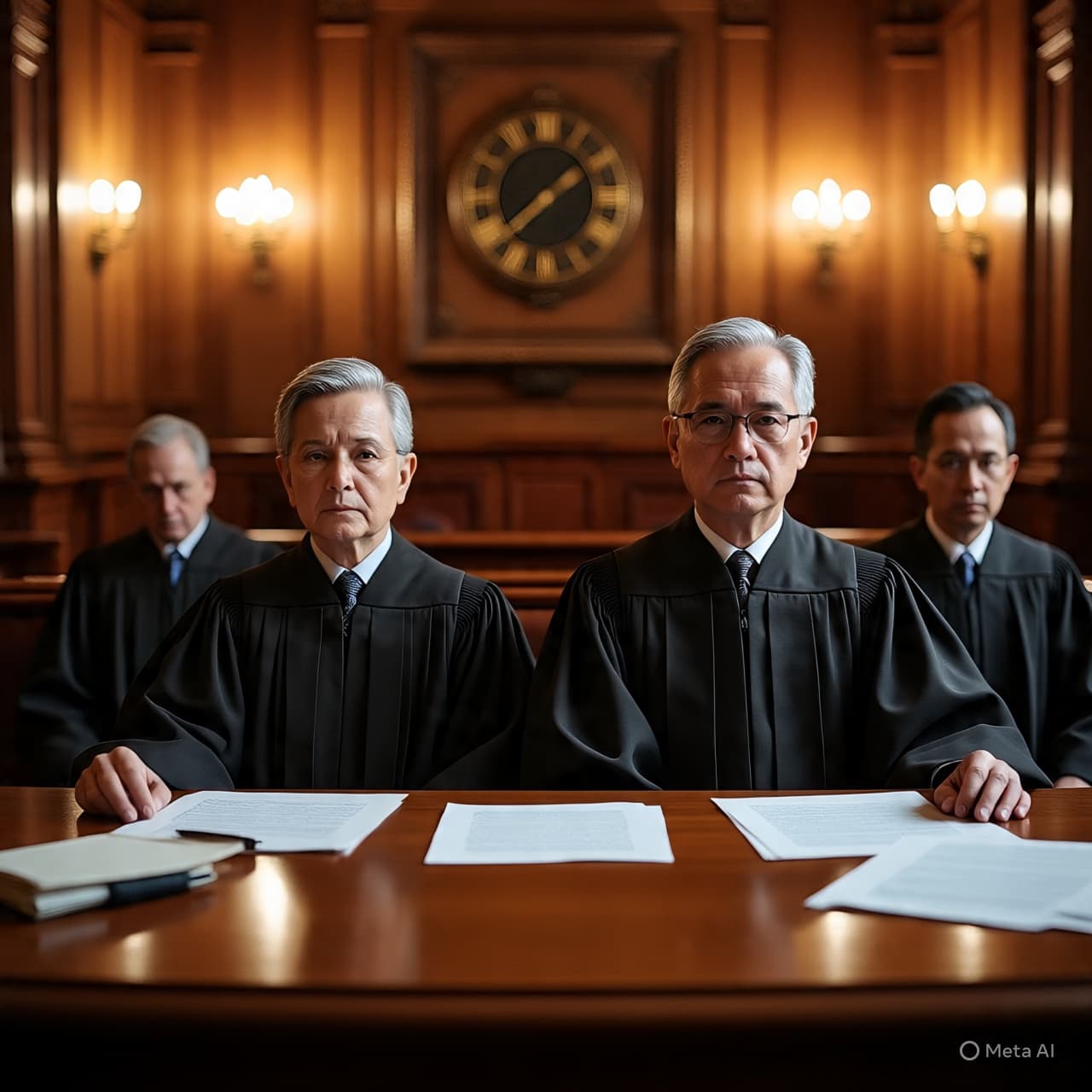
AI Image Disclaimer
“Visuals are created with AI tools and are not real photographs; they serve as conceptual depiction only.”
Sources:
1. Associated Press (via PBS News) — Supreme Court to hear Bayer/Roundup appeals. 2. Los Angeles Times — Supreme Court may block lawsuits over Monsanto weed killer. 3. Reuters — Supreme Court to hear Bayer’s bid to curb Roundup cases. 4. The Washington Post/AP reports (multiple outlets) — Supreme Court agreed to hear appeal. 5. Financial Times — Coverage of Supreme Court taking up the case and implications.
Published by Banx Network. This article is part of the Banx decentralized media programme, powered by the BXE token on the XRP Ledger.