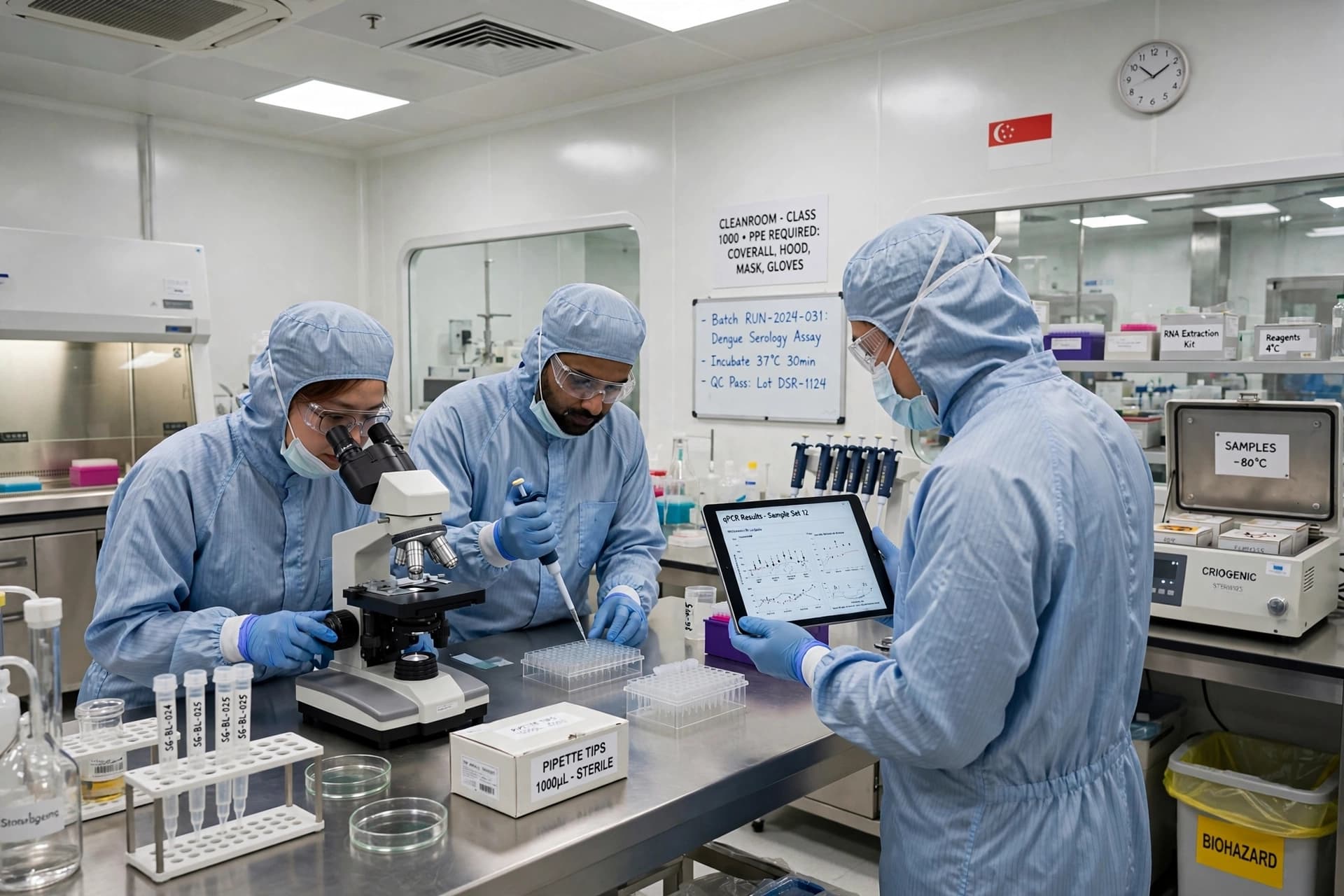
In the quiet stillness of a late summer afternoon, life often feels steady and familiar — until a reminder comes that even the most ordinary days can be shifted by the smallest of events. For Aucklanders, that reminder arrived this week when public health officials confirmed two new cases of measles, both linked to recent overseas travel. The news touches on both the fragility and resilience of a connected world where viruses know no borders, and where communities remain attentive to the unseen threads that weave them together.
Just three weeks after New Zealand formally declared its last measles outbreak over, Health New Zealand reported that these new cases originate from the same household in Auckland. Their detection highlights how quickly international travel can reintroduce infectious illnesses into communities, even as earlier flare‑ups subside and daily life returns to normal.
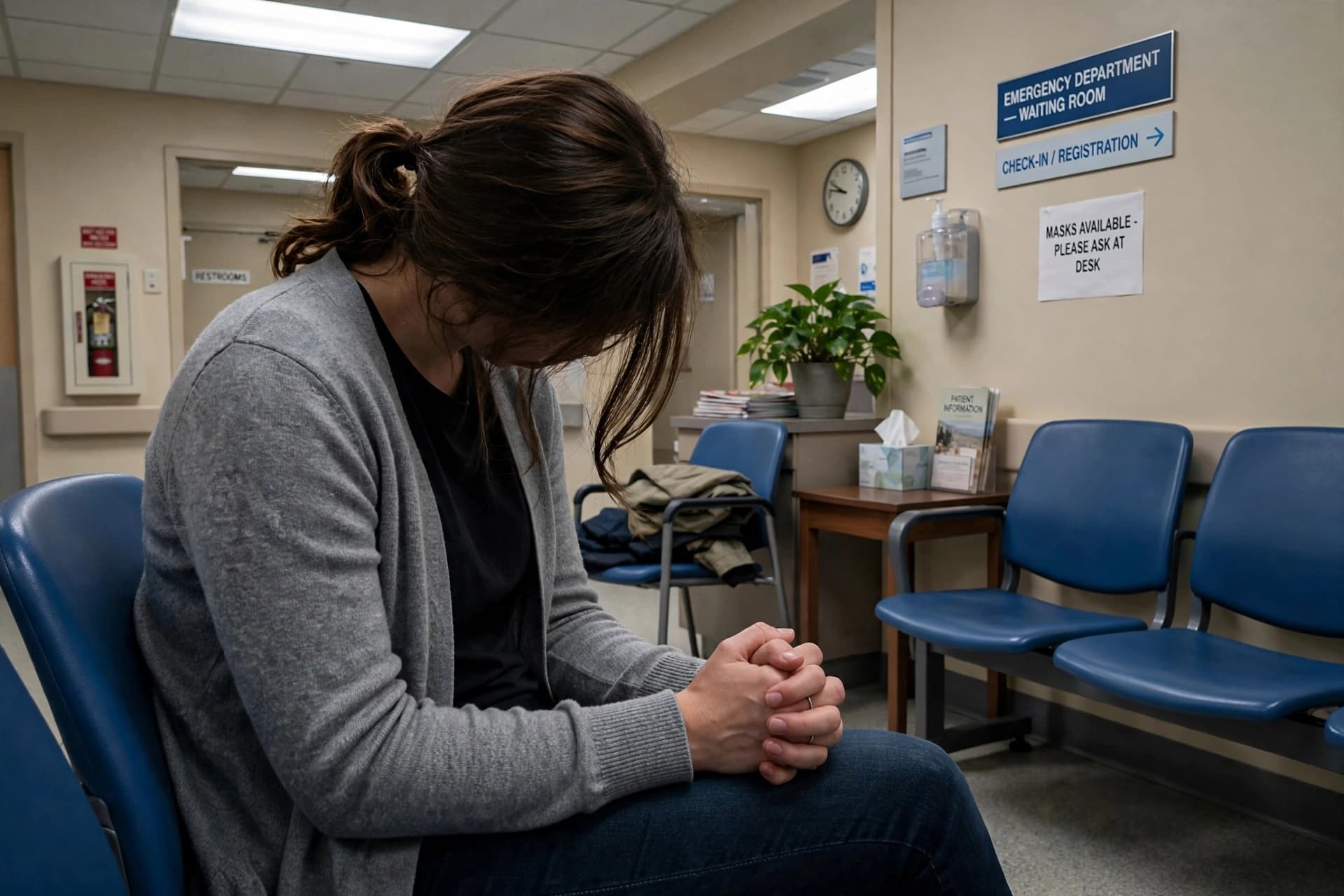
Public health teams, guided by urgency and care, have begun detailed contact tracing to identify those who may have been exposed. Several locations of interest have been identified — including a Singapore Airlines flight that arrived in Auckland on February 17, the Auckland International Airport during late‑night hours, and the Waitākere Hospital emergency department waiting room where the individuals were present. Officials are asking anyone who visited these places during specified times to remain vigilant and to seek medical advice if symptoms develop.
Measles is known for its high contagion; it spreads readily through respiratory droplets and can linger in the air long after an infected person has passed through a space. Symptoms typically begin with fever, cough, and red, sore eyes, followed by a characteristic rash that spreads over the body. While many recover fully, the disease can have serious complications, especially in young children and people whose immunity is incomplete.
Health authorities continue to emphasize that the most reliable defense against measles is vaccination. The MMR vaccine — which protects against measles, mumps, and rubella — has long been a cornerstone of public health efforts to control outbreaks. In New Zealand, the vaccine is free for eligible individuals, particularly for children, and health officials encourage everyone whose immunization status is uncertain to check and update their protection.
These new cases arrive against a backdrop of global concern about the persistence of measles. Even in countries where outbreaks were thought to be contained, imported cases remind us that lower immunization rates and frequent travel can quickly rekindle transmission. The recent outbreak in New Zealand, which officially ended earlier in February, had shown how easily the virus can take hold when population immunity is less than ideal.
Yet the response — rooted in vigilance, scientific tracking, and community awareness — offers reassurance. By identifying potential exposure sites early and reaching out to those at risk, public health teams aim to interrupt further spread before it gains traction. Anyone with symptoms is advised to phone their healthcare provider before visiting in person, a precaution that helps protect both clinics and patients from unnecessary exposure.
In this way, the confirmation of these two measles cases becomes not only a matter of disease surveillance but a reflection of collective responsibility and adaptability. It reminds us that, even in an era of advanced medicine and global connectivity, the simplest preventative measures — vaccination, awareness, and early care — remain at the heart of public health.
AI Image Disclaimer Illustrations were produced with AI and serve as conceptual depictions.
RNZ
Newstalk ZB
Immune.org.nz
Xinhua English News
Wikipedia
Published by Banx Network. This article is part of the Banx decentralized media programme, powered by the BXE token on the XRP Ledger.