Artificial intelligence has moved rapidly through the world's technology headlines, yet inside many Japanese companies its arrival has been more gradual. Screens may display new tools and executives may discuss productivity, but the transformation of everyday work is still unfolding at a measured pace.
More than four in five Japanese companies have either not fully deployed artificial intelligence or are using it only in limited ways, according to a Reuters survey published in August. The finding illustrates the distance between the rapid development of AI technology and its practical adoption inside established businesses.
For companies, adopting AI is rarely as simple as purchasing software. Existing information systems must often be connected to new tools, employees need training, and businesses must determine which tasks are appropriate for automation or machine-assisted decision-making.
Japan's corporate structure can make that transition especially interesting. Many companies operate with complex internal processes accumulated over decades. Introducing AI into such environments may require changes not only to technology but also to how information moves between departments.
Productivity is one reason businesses continue to explore the technology. Japan faces demographic pressures and a shrinking working-age population, creating long-term interest in tools that could help workers manage larger amounts of information or automate repetitive activities.
Yet productivity gains are not guaranteed. An AI system can generate information quickly, but employees still need to verify results, manage data and understand where the technology can be trusted. Poorly integrated systems can sometimes add another layer of work rather than remove one.
The survey also found that Japanese companies continue to prioritize domestic investment. That preference suggests that many businesses are focusing on strengthening operations within Japan even as they consider emerging technologies and international opportunities.
Large corporations and smaller businesses may experience the transition differently. Major companies often have greater resources for experimentation, while smaller firms may have fewer employees available to test and manage new systems. The cost and complexity of implementation can therefore influence the pace of adoption.
Artificial intelligence is also becoming more specialized. Rather than one universal system, companies are experimenting with tools for customer service, document processing, manufacturing, research and internal knowledge management. Each application brings its own requirements for data and oversight.
Japan's gradual approach does not necessarily mean that businesses are ignoring AI. Instead, it reflects a transition in which companies are determining where the technology can produce practical value and how it can be incorporated without disrupting established operations.
The country's corporate landscape is therefore moving through an intermediate stage. Artificial intelligence has arrived, but its deeper influence on Japanese workplaces is still being negotiated, one department, one workflow and one experiment at a time.
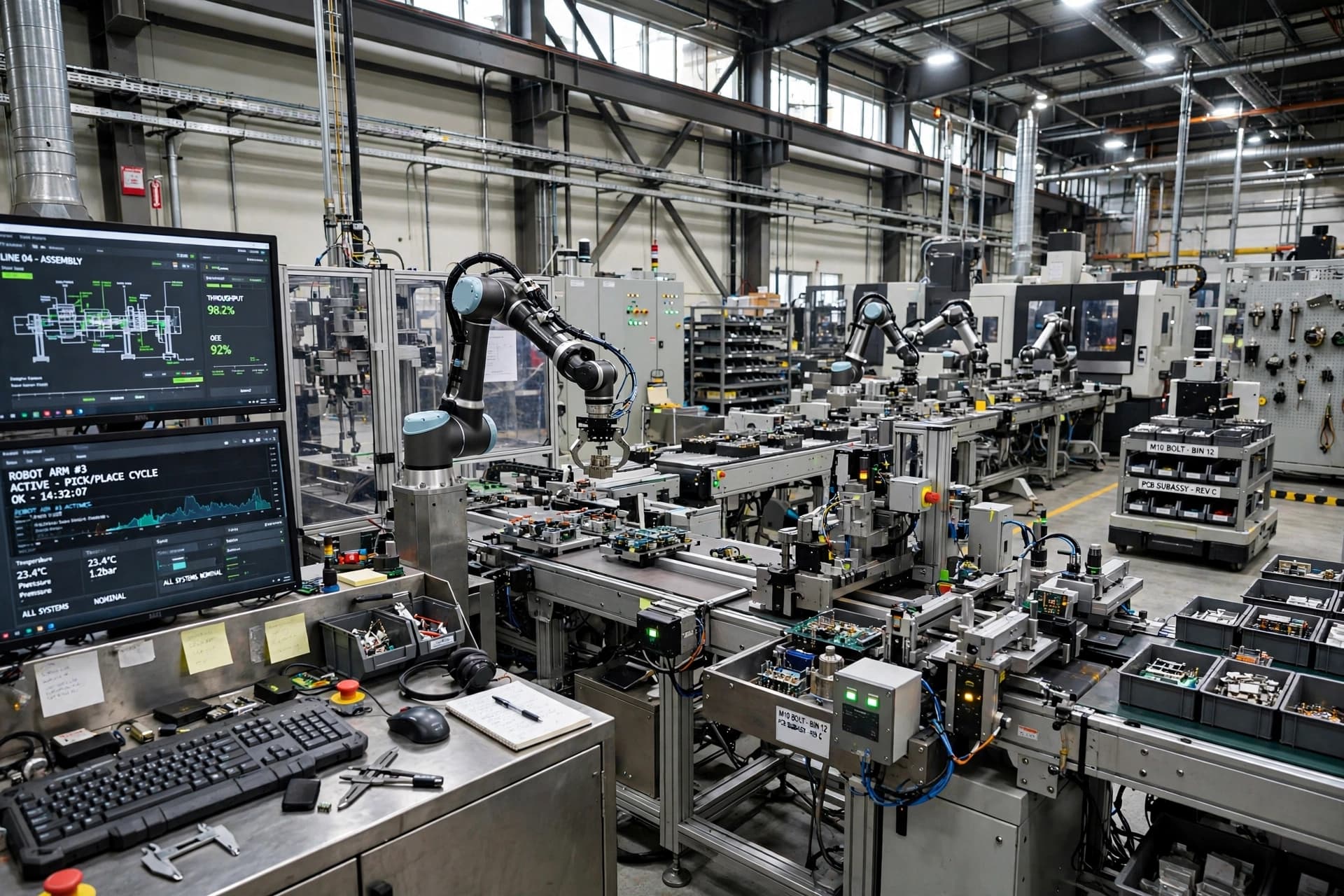
AI Image Disclaimer The accompanying illustrations were created using AI tools and are intended as conceptual representations rather than photographs of real Japanese companies.
Sources Reuters Bank of Japan Ministry of Economy, Trade and Industry Japan Japan Information Service Industry Association Japan Digital Agency
Published by Banx Network. This article is part of the Banx decentralized media programme, powered by the BXE token on the XRP Ledger.