
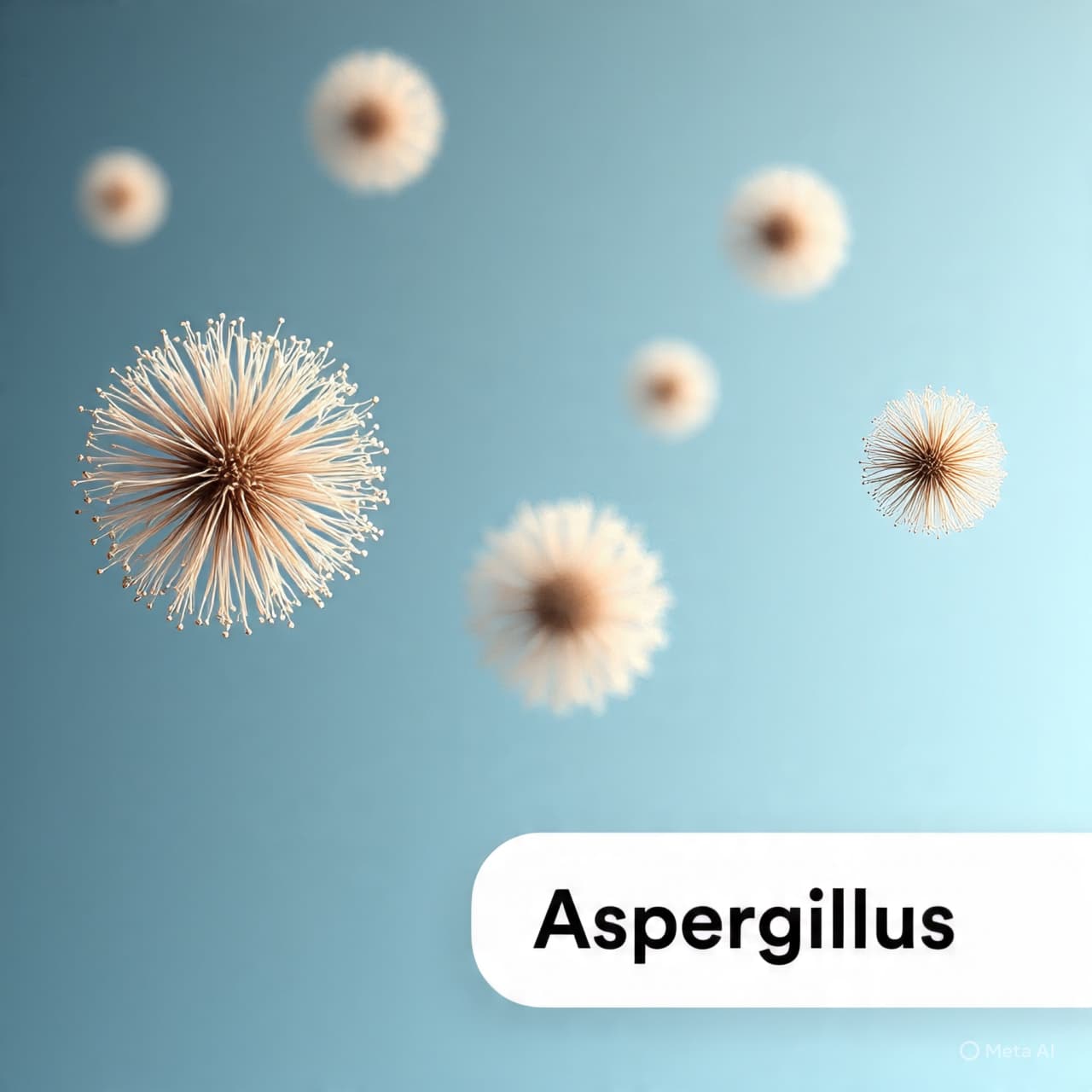
In the hushed corridors of one of Sydney’s oldest hospitals, where hope is meant to walk hand‑in‑hand with expertise, something unseen stirred. It was neither loud nor dramatic, but it was real—tiny spores riding the air, carried perhaps by dust from nearby construction, invisible to all but fatal to some. In late 2025, at the transplant unit of Royal Prince Alfred Hospital, a cluster of Aspergillus fungal infections found its way into the vulnerable lungs of patients whose bodies were already engaged in the delicate task of healing. In that quiet struggle, two lives were lost and others left shaken, reminding us that even the most careful systems can meet an unbidden challenge.
For months, this chapter remained largely out of public sight. It was known to families, to clinicians and health staff, but not emblazoned across headlines. When documents emerged only under parliamentary scrutiny, voices in the political arena suggested something deeper might have been at play—a cover‑up, they said, of what was becoming a fatal fungal story. The response from the New South Wales government was measured, calm, preferring to frame the decision in terms of balance: to protect the public from undue alarm rather than bury truth. Health Minister Ryan Park emphasized that the affected individuals and staff had been informed, and that informing “hundreds of people” was their priority before making the wider public aware.
The fungus itself, Aspergillus, is not a stranger to the natural world. Common in soil, dust and damp places, it rarely causes harm to healthy bodies. But for patients whose immune systems are suppressed by lifesaving medicines, its airborne spores can be lethal. Specialists note that such infections are a known risk in hospital settings, particularly where major redevelopment stirs up dust and air. In this case, the hospital’s own $940 million redevelopment project was flagged as a possible contributor. Air filtration was upgraded, deep cleans undertaken, patients relocated, and an expert panel later deemed the transplant ward safe to reopen earlier this year.
Still, the heart of the discussion has become not only about spores and soil, but about transparency, trust, and how information is shared between institutions and the community. In moments when life and death intersect with policy and public perception, the narrow corridors of a hospital echo wider questions about responsibility and the role of openness in public health. The story at RPA is not just about a mould that flew unseen; it is about what it taught a community about listening, timing, and the weight of words withheld or spoken.
In closing, health authorities continue their clinical investigations into the outbreak, offering condolences to those affected. Government officials have rejected claims of intentional concealment while reaffirming their commitment to patient safety and broader infection control. As hospitals chart paths forward, observers will watch closely how lessons from this episode shape future responses and public confidence in care.
AI Image Disclaimer “Visuals are created with AI tools and are not real photographs, intended for representation only.”
Source Check (5 media names):
The Guardian ABC News The New Daily SBS News Inkl / The National Tribune (analysis on cause)
Published by Banx Network. This article is part of the Banx decentralized media programme, powered by the BXE token on the XRP Ledger.

.jpg&w=3840&q=75 "Qantas Grounds Plane After Passengers Report Bedbug Bites")