Opening There is a gentle poetry to watching light trace its brief journey across the velvet canvas of night. Like tiny brushstrokes from an unseen artist, meteor showers grace our skies with fleeting brilliance, inviting both wonder and reflection. Each streak of radiance whispers of journeys vast and ancient—of paths traced by dusty travelers long before our first ancestors looked skyward. As 2026 approaches, the rhythms of these celestial displays remind us that even the quiet motions of our planet and its cosmic companions are part of a much grander choreography. Body At its heart, a meteor shower is not an angry storm, nor a random explosion of stars, but rather a quiet crossing of paths that have been laid out over centuries. Earth orbits the Sun in a steady, familiar rhythm. In this journey, there are points where our planet intersects with streams of dust and tiny particles left behind by comets or, in some cases, asteroids. These particles—sometimes no larger than grains of sand—have been released slowly over decades or centuries as comets warmed by the Sun shed tiny fragments of themselves. When Earth collides gently with this debris, the result is what we recognize as a meteor shower. The particles, called meteoroids, travel through space following the same orbital paths as their parent bodies. When they enter Earth’s atmosphere at high speed—often tens of kilometers per second—they heat up from friction with the air and burn up, creating bright streaks of light. Space agencies like NASA describe this as Earth passing through trails of cosmic dust, resulting in the radiant displays we call “shooting stars.” Each shower is tied to a particular parent comet or asteroid, and therefore tends to occur around the same time each year. For example, the Perseid meteor shower in August is born of debris from Comet Swift-Tuttle, while other showers like the Lyrids or Quadrantids arise from their own ancient sources. Because Earth intersects these dusty streams at specific points along its orbit, observers can predict when these celestial events will occur. Looking ahead to 2026, meteor watchers will again have multiple opportunities to witness these quiet celestial dramas. As Earth completes its circuit of the Sun, it will once more encounter these particulate currents, lighting up night skies with tiny sparks that have traveled in cosmic silence for ages. Each burst of light is a reminder that our planet shares its journey with countless other travelers—tiny, brilliant, and ephemeral. Closing In 2026, as in years past, meteor showers will once again draw the eyes of sky watchers to the stars. These events are not harbingers or omens, but chapters in the long and ongoing story of our solar neighborhood. Through careful observation and scientific understanding, the annual rhythm of meteor showers becomes another point of connection between Earth and the wider cosmos—gently reminding us of our place in the celestial tapestry.
📷 AI Image Disclaimer (Variant)
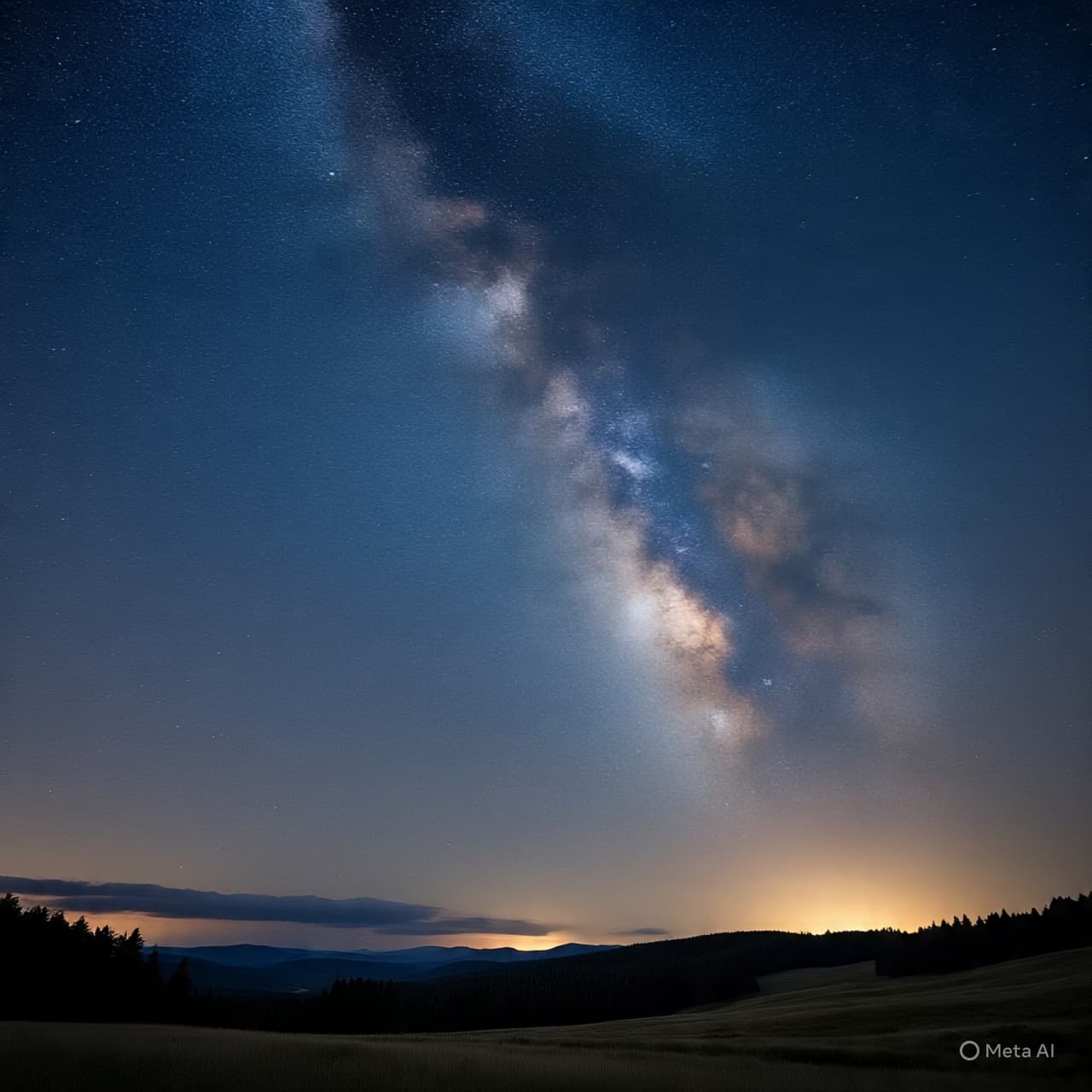
Visuals are created with AI tools and are not real photographs, meant to
📚 Sources Space.com meteor showers 2026 guide Royal Observatory meteor shower guide NASA – Meteor Showers overview Natural History Museum – Meteor showers in 2026 IDN Times science explainer
Published by Banx Network. This article is part of the Banx decentralized media programme, powered by the BXE token on the XRP Ledger.