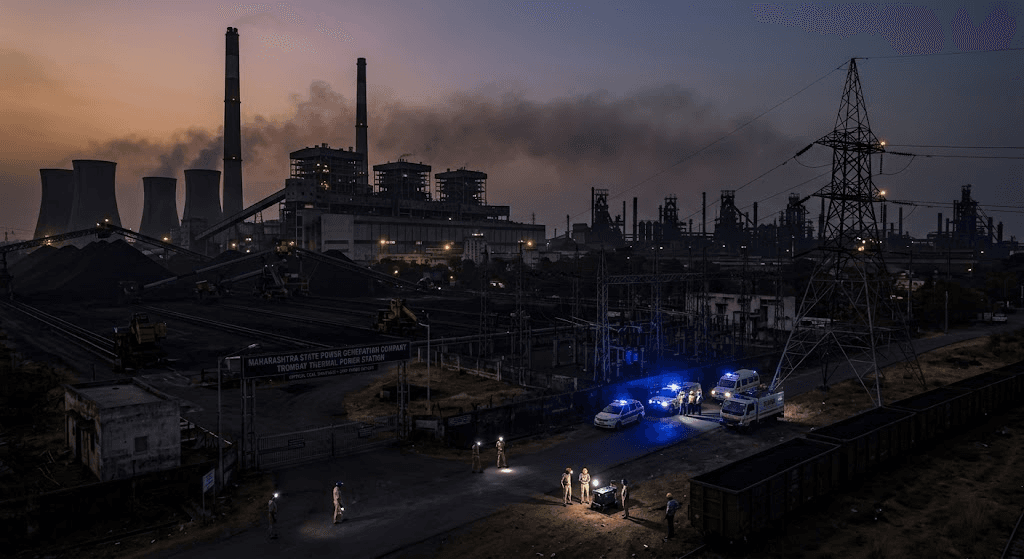
Debt rarely announces itself with urgency. It accumulates quietly, measured in columns and percentages, becoming familiar enough to fade into abstraction. Yet from time to time, someone names it plainly, pulling it back into view. Ray Dalio has done so again, describing U.S. foreign debt as an “enormous vulnerability” — a phrase that lingers precisely because it is understated.
The United States has long occupied a unique position in the global financial system. Its currency anchors trade, its bonds underpin reserves, and its deficits have been absorbed by a world willing to lend in exchange for stability. Foreign holders of U.S. debt are not merely investors; they are participants in an arrangement built on confidence and continuity.
Dalio’s concern is less about imminent collapse than about trajectory. As borrowing grows and interest costs rise, the margin for flexibility narrows. Debt that once felt manageable in a low-rate environment becomes heavier when financing costs increase. The vulnerability, in this sense, is structural — embedded in expectations that may not hold forever.
Foreign ownership adds another layer of complexity. When a significant share of a nation’s obligations is held abroad, economic policy becomes entangled with geopolitics. Decisions on spending, taxation, and monetary policy ripple outward, intersecting with trade tensions, currency movements, and shifting alliances. Trust remains the binding force, but trust is not immutable.
Dalio has framed the issue as one of balance rather than alarm. The United States still commands deep capital markets and unmatched liquidity. Demand for its debt persists. Yet reliance on that demand assumes a world willing to continue financing American consumption and governance at scale. History suggests such arrangements endure — until they gradually do not.
What makes the warning resonate is its timing. Global financial conditions are tightening. Governments everywhere are reassessing priorities shaped by defense spending, industrial policy, and demographic pressures. In this environment, debt becomes less an accounting artifact and more a strategic consideration.
The conversation is not about repudiation or retreat. It is about choice. High foreign debt constrains options, limiting how freely a country can respond to shocks without testing the patience of creditors. It does not dictate outcomes, but it frames them.
Dalio’s words arrive without spectacle, but they land with weight. They invite reflection rather than reaction — a pause to consider how power, so often measured in military or technological terms, is also written in obligations deferred to the future.
Debt can sustain influence as easily as it can erode it. The difference lies not in the numbers alone, but in how deliberately they are carried forward.
AI Image Disclaimer
Illustrations were created using AI tools and are not real photographs.
Sources (names only)
Financial Times Reuters Bloomberg Bridgewater Associates The Wall Street Journal
Published by Banx Network. This article is part of the Banx decentralized media programme, powered by the BXE token on the XRP Ledger.