Amid the vast, silent stretches between stars, a quiet workshop of chemistry unfolds — one that may hold deep clues to one of life’s greatest mysteries. In a series of pioneering laboratory experiments, scientists have found that the complex molecular precursors to life’s building blocks can form spontaneously under space‑like conditions, challenging long‑standing views about where and how life’s essential ingredients first arise.
For decades, researchers have known that simple organic molecules like amino acids — the basic components of proteins — can exist in interstellar space. But the latest work, reported in Nature Astronomy, goes a step further: it shows that peptides, short chains of amino acids that are the precursors to proteins themselves, can assemble naturally on the surfaces of cosmic dust grains under conditions mimicking deep space.
In these experiments, scientists placed simple amino acids such as glycine into ultra‑high vacuum chambers and exposed them to energy sources that simulate cosmic rays. Over time, the amino acids began to bond, forming peptides and releasing water — a clear sign that complex biochemical reactions can occur without the warmth of a planet or the intervention of living systems.
This discovery gently broadens the horizons of our understanding. It suggests that prebiotic chemistry — the chemistry that precedes life — may not be confined to planets like Earth, but could be woven into the very dust that eventually forms stars and planets across the galaxy. In cosmic clouds where new solar systems take shape, these reactions could plant seeds of organic complexity long before worlds are fully born.
While these laboratory findings don’t answer the ultimate question of how life itself began, they add a crucial piece to the cosmic puzzle. If peptides — and perhaps even more advanced molecules — can arise naturally in space, then the raw ingredients for life might be far more abundant throughout the universe than previously imagined. For those who ponder the deep connections between star dust and living cells, this research provides a quiet but profound reminder: the story of life’s emergence may begin long before a planet takes shape.
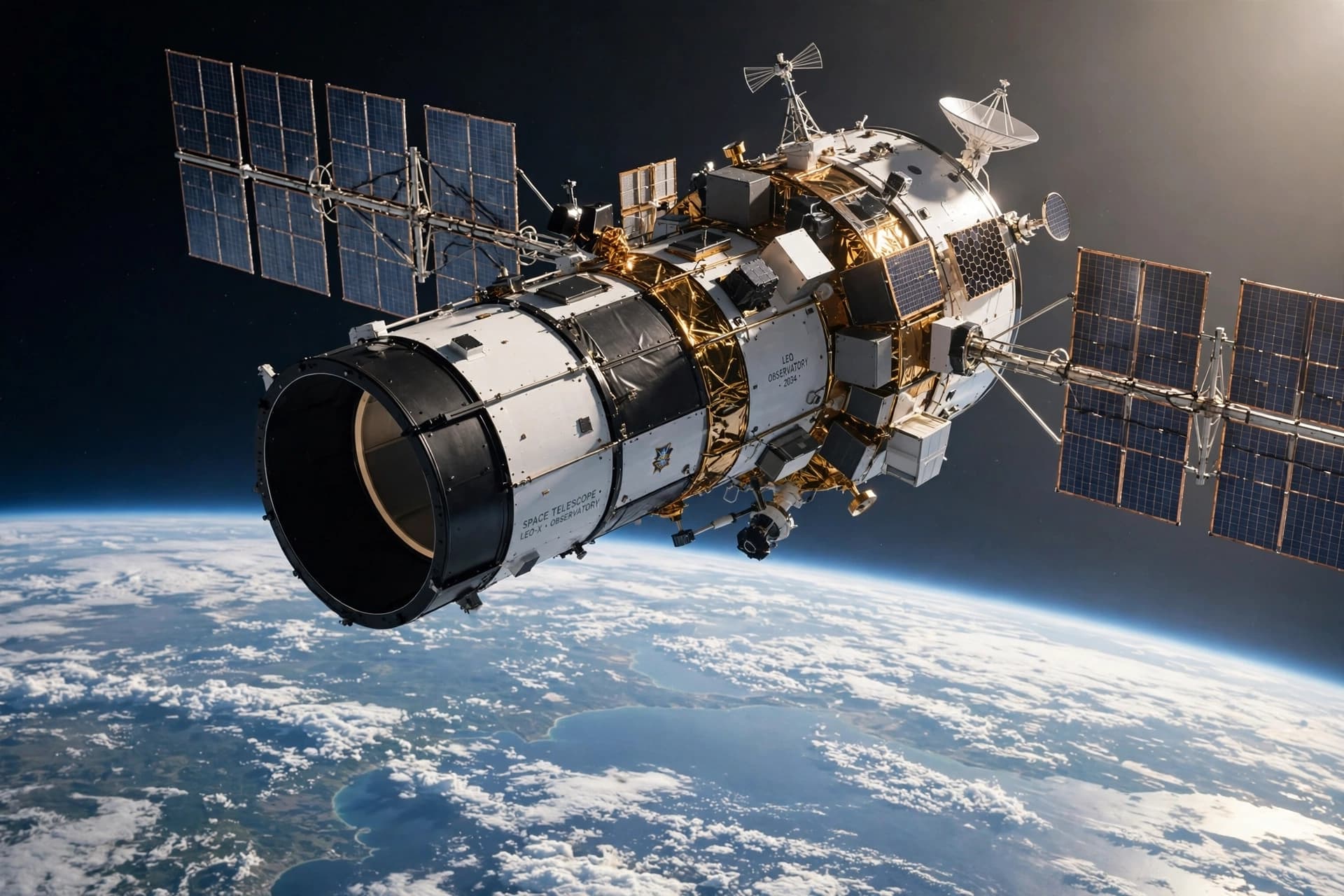
AI Image Disclaimer Visuals are created with AI tools and are not real photographs; they are intended to conceptually illustrate the described phenomena.
🗂 Sources Phys.org reporting on the new research ScienceDaily and prior work on spontaneous formation of life’s building blocks Futurism and Harvard Gazette contextual research on origins of life
Published by Banx Network. This article is part of the Banx decentralized media programme, powered by the BXE token on the XRP Ledger.