Music has always lived in the space between mathematics and emotion. A melody may be written in precise notation, yet it travels through memory like something intangible and alive. In recent years, artificial intelligence has stepped quietly into that space—learning patterns, harmonies, and rhythms with the patience of a careful listener.
Now, has introduced , the latest iteration of its music generation model. The announcement reflects the company’s continued investment in generative AI tools capable of composing original music from text prompts, stylistic guidance, or thematic cues. With Lyria 3, Google signals an ambition not merely to replicate sound, but to refine how machines collaborate with human creativity.
Earlier versions of Lyria were positioned as experimental tools within Google’s broader AI ecosystem. They demonstrated the capacity to generate structured musical pieces across genres, offering composers and developers a new way to prototype ideas. Lyria 3, according to reports, builds on that foundation with improvements in coherence, stylistic control, and audio quality. The result is described as more nuanced output—tracks that maintain thematic continuity over longer durations.
Music generation models operate by training on vast datasets of recorded sound and compositional structures. Through pattern recognition, they learn how chords resolve, how percussion evolves, how melodies build tension and release. What distinguishes newer iterations is not only technical fidelity, but contextual understanding—responding more precisely to prompts that specify mood, instrumentation, or tempo.
Google has framed Lyria 3 as part of its broader AI research efforts, aligning with tools designed for creators, developers, and enterprise partners. As generative models expand into text, image, video, and now increasingly sophisticated audio, the boundaries between disciplines begin to blur. A creative workflow that once required multiple specialized tools can now emerge from a single AI-powered interface.
Yet the development also invites thoughtful reflection. Music is deeply personal, shaped by culture, memory, and lived experience. AI-generated sound raises questions about authorship, licensing, and artistic identity. Technology companies have emphasized safeguards and responsible deployment, particularly regarding copyrighted material and attribution. As the tools grow more capable, those conversations will likely continue alongside innovation.
For independent musicians and content creators, such models may serve as collaborative instruments rather than replacements. A generated instrumental bed might inspire lyrics; a synthetic harmony might guide arrangement. In that sense, Lyria 3 functions less as a composer and more as a responsive assistant—an algorithmic partner offering variations at digital speed.
The broader industry context is unmistakable. AI-generated media has accelerated rapidly, reshaping creative sectors from illustration to filmmaking. Audio, once considered more technically complex due to its temporal and emotional dimensions, is now firmly within that transformation.
In straightforward terms, Google has launched Lyria 3, an upgraded AI music generation model designed to produce more refined and controllable compositions. The company positions the tool as part of its expanding generative AI portfolio, with applications aimed at creators and developers.
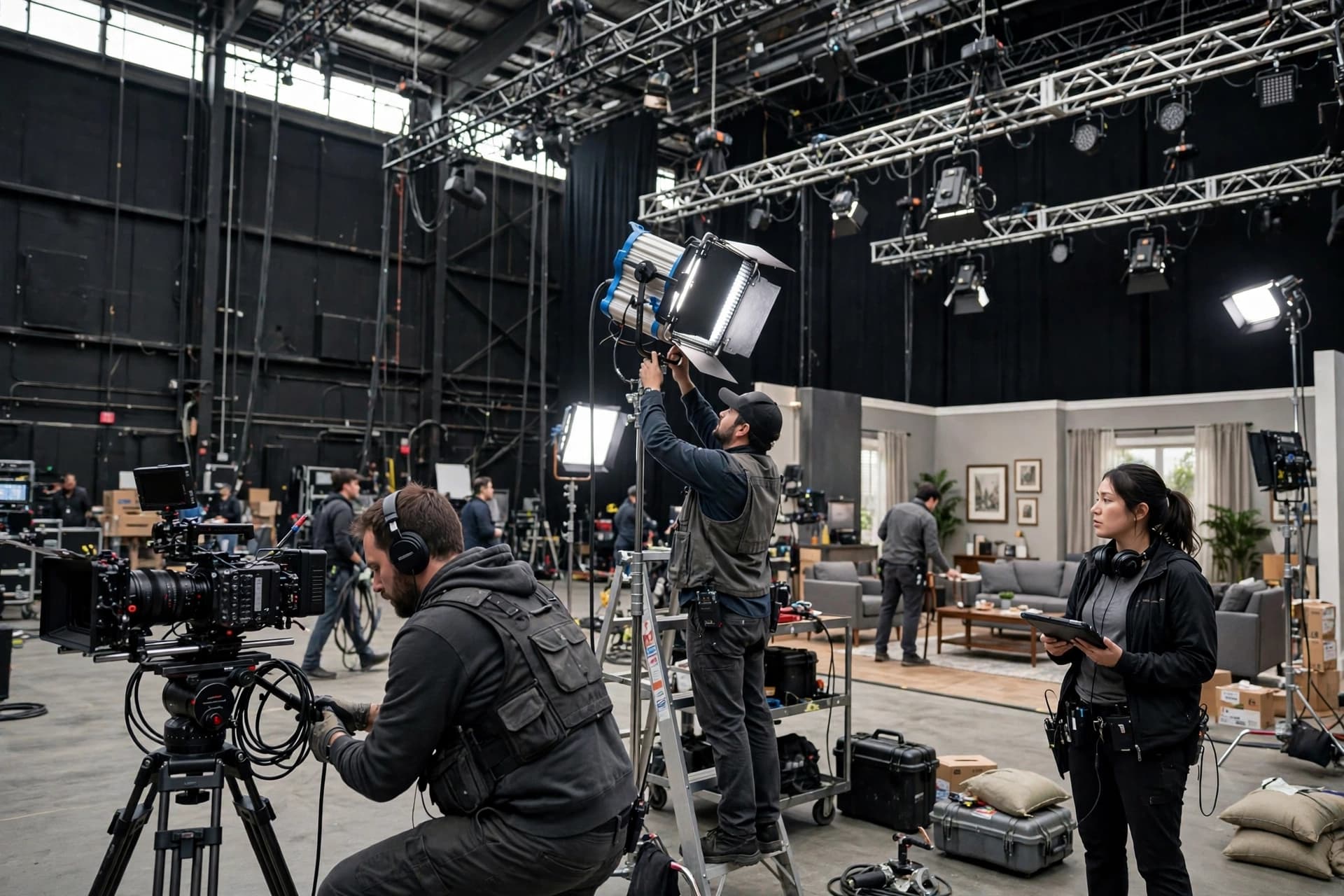
AI Image Disclaimer Images in this article are AI-generated illustrations, meant for concept only.
Sources (Media Names Only)
Reuters TechCrunch The Verge VentureBeat CNBC
Published by Banx Network. This article is part of the Banx decentralized media programme, powered by the BXE token on the XRP Ledger.