There are moments when a company’s future can be measured not by what it earns today, but by how much it is willing to spend on tomorrow. For Alibaba, that future increasingly has the shape of artificial intelligence, surrounded by servers, chips, data centers, and enormous computing demands.
Alibaba launched a $10.2 billion share sale in Hong Kong on August 24, offering new shares at a significant discount to the previous closing price. The proceeds are intended to support its expanding investments in artificial intelligence, including chips, infrastructure, and AI models.
The fundraising arrives after a sharp increase in Alibaba’s spending on AI infrastructure. The company has committed to spending 380 billion yuan, or roughly $56.4 billion, on AI and cloud infrastructure through 2029. By the second quarter of 2026, it had already spent about half of that planned amount.
The scale of the investment reveals how rapidly the economics of technology are changing. Building an AI business requires more than developing an impressive model. Companies need enormous computing capacity, advanced processors, high-speed networking, electricity, cooling systems, and data-center facilities.
Alibaba already possesses one of the largest cloud businesses in China, giving it an important foundation for this expansion. Its cloud and AI services revenue grew 45% year over year to 48.44 billion yuan in the latest quarter, supported by growing demand for AI model services.
Yet the financial cost is becoming increasingly visible. Alibaba reported a 75% decline in quarterly net profit even as revenue increased 9%. Capital expenditure rose 75% to 67.68 billion yuan, reflecting the heavy spending required to obtain chips and expand AI infrastructure.
Investors therefore find themselves looking at two different clocks. One measures the pressure on current earnings, while the other measures the possibility that today's infrastructure spending could create a much larger AI and cloud business several years from now.
The share sale itself reflects that tension. Alibaba offered the new shares at HK$112.70, an 8.4% discount to the previous closing price. The discount helped the company raise substantial capital, but it also created concerns about dilution among existing shareholders.
Alibaba is not alone in making this calculation. Across China, technology companies are increasing spending on AI models and computing infrastructure as competition intensifies. The race is no longer limited to developing software; it increasingly involves controlling the physical resources required to operate increasingly powerful systems.
The company expects its AI investments to become more economically meaningful over time, while continuing to develop proprietary chips for its data centers. That approach could help reduce dependence on commercially available processors and potentially improve margins if the technology becomes sufficiently mature.
For now, Alibaba is choosing to place substantial financial resources behind a future that has not yet fully arrived. The $10.2 billion share sale provides fresh capital for that journey, while the sharp rise in investment and the decline in near-term profit show how expensive the road toward large-scale artificial intelligence can be.
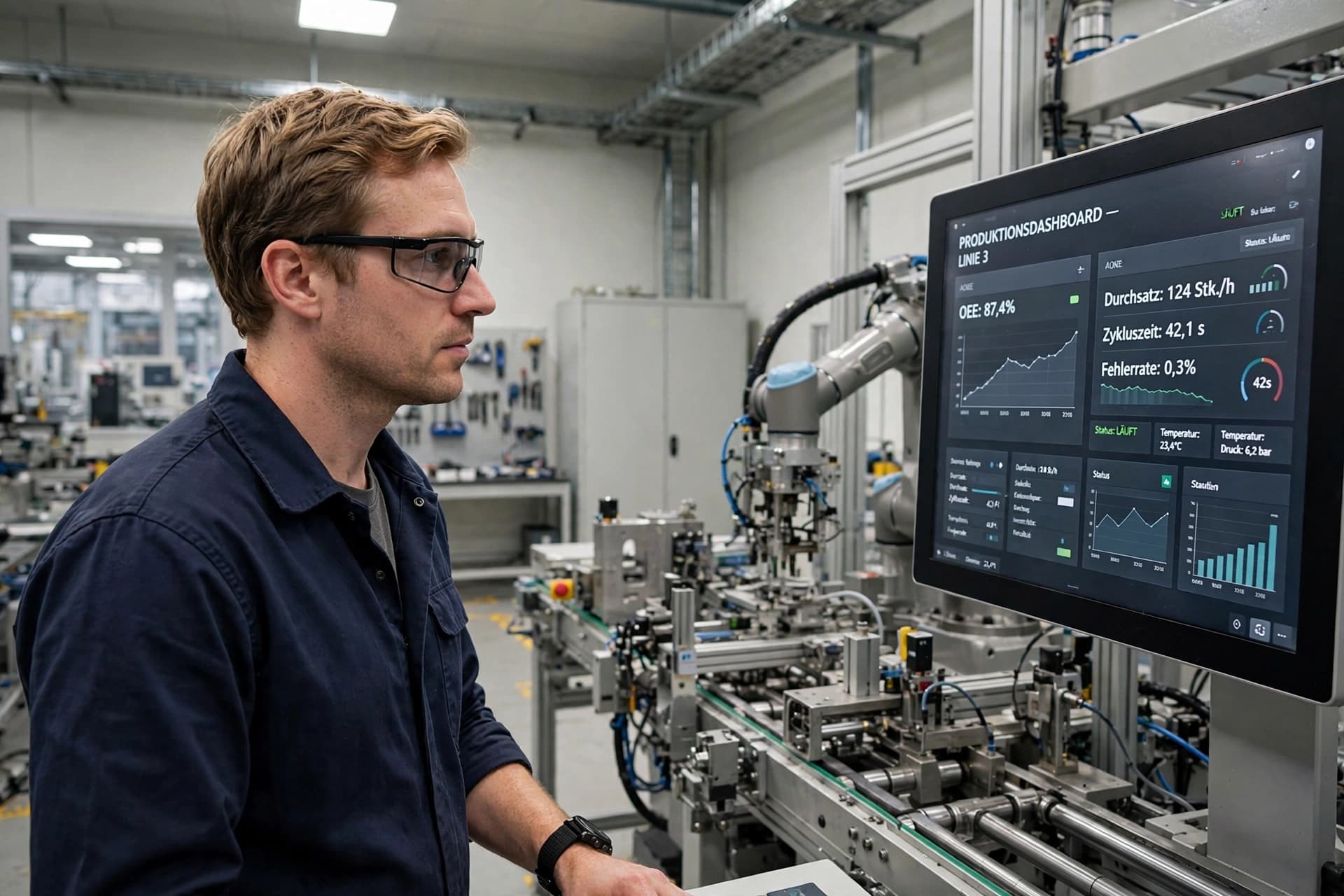
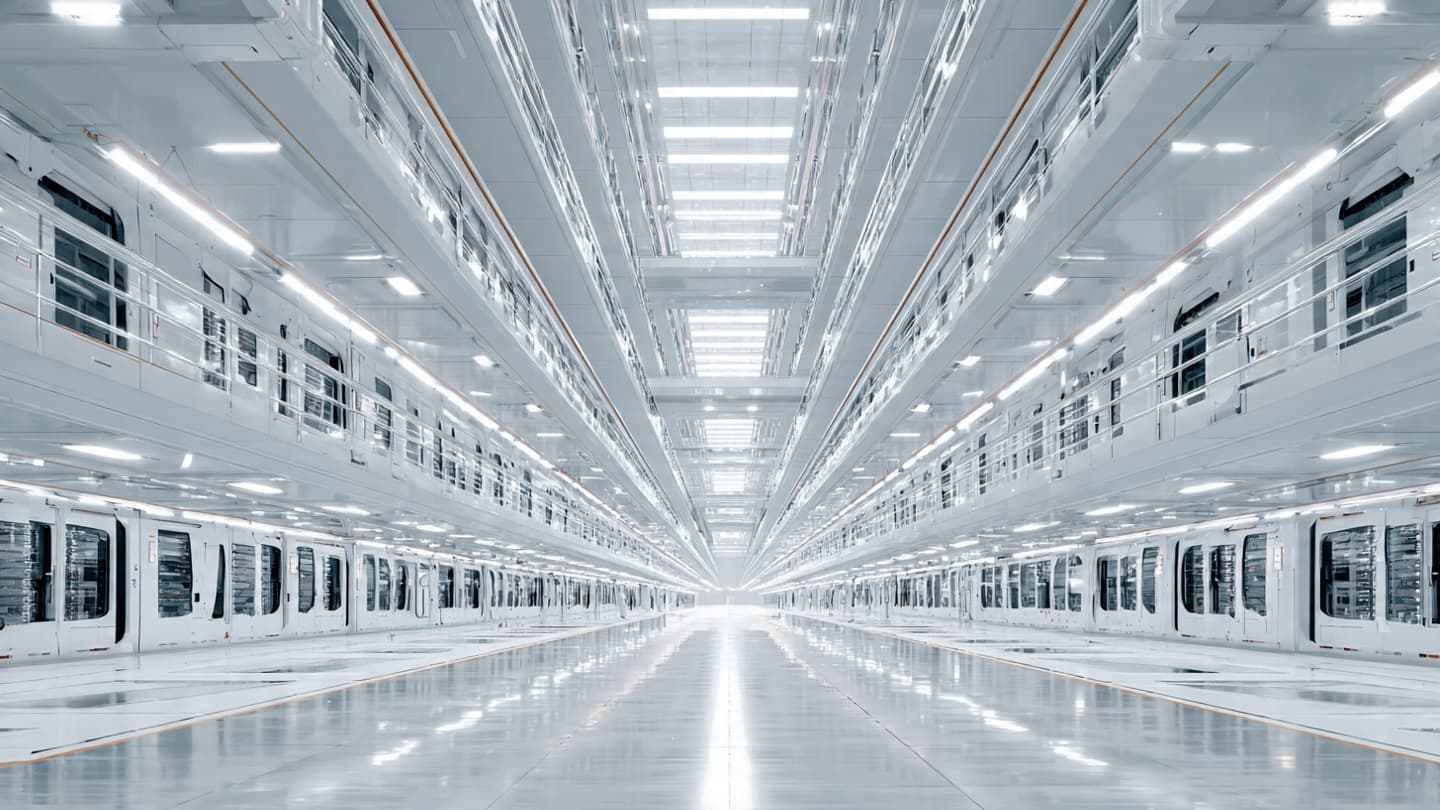
AI Image Disclaimer The accompanying visuals were generated with AI technology and serve as conceptual representations of Alibaba’s AI and cloud infrastructure.
Sources Reuters Alibaba Group South China Morning Post Nikkei Asia Financial Times
Published by Banx Network. This article is part of the Banx decentralized media programme, powered by the BXE token on the XRP Ledger.

.jpg&w=3840&q=75 "The Artemis Revolution: How NASA Plans to Build Humanity's Future on the Moon")