Trade agreements rarely announce themselves with spectacle. More often, they arrive through adjustments — percentages revised, clauses added, long negotiations distilled into practical change. This week, one such adjustment emerged as India agreed to slash tariffs on European Union car imports under a new trade deal, marking a notable recalibration in one of the world’s most closely guarded automotive markets.
For years, India’s high import duties on foreign vehicles stood as both shield and signal. They protected domestic manufacturers while signaling caution toward external competition. Under the new arrangement, those barriers will ease, offering European automakers greater access to a market defined by scale, growth, and rising middle-class demand.
Officials framed the move as part of a broader effort to deepen economic ties between India and the EU. The agreement reflects months of negotiation aimed at balancing openness with domestic priorities. Reduced tariffs are expected to apply selectively, focusing on specific vehicle categories and volumes rather than an unrestricted opening of the market.
European manufacturers, long constrained by costs that placed their vehicles beyond reach for most Indian consumers, see the shift as an entry point rather than a breakthrough. Even with lower tariffs, challenges remain — from infrastructure and emissions standards to price sensitivity and local competition. Still, the policy change alters the arithmetic, making long-term investment calculations more viable.
For India, the decision carries its own logic. Greater competition can accelerate technology transfer, particularly in electric and low-emission vehicles, areas where European firms hold an edge. The government has emphasized that tariff reductions do not replace its commitment to domestic manufacturing, but complement it by encouraging collaboration and joint ventures.
The deal also carries geopolitical weight. At a time when global trade is increasingly shaped by fragmentation and strategic alignment, India and the EU appear to be choosing engagement over insulation. Automotive tariffs, once symbolic of protection, now serve as instruments of signaling — cautious, incremental, but deliberate.
As the agreement moves toward implementation, its impact will be measured less by headlines than by outcomes: pricing shifts, investment flows, and consumer choice. For now, the lowered tariffs suggest a shared understanding that progress in trade often comes not through sweeping change, but through the quiet easing of resistance.
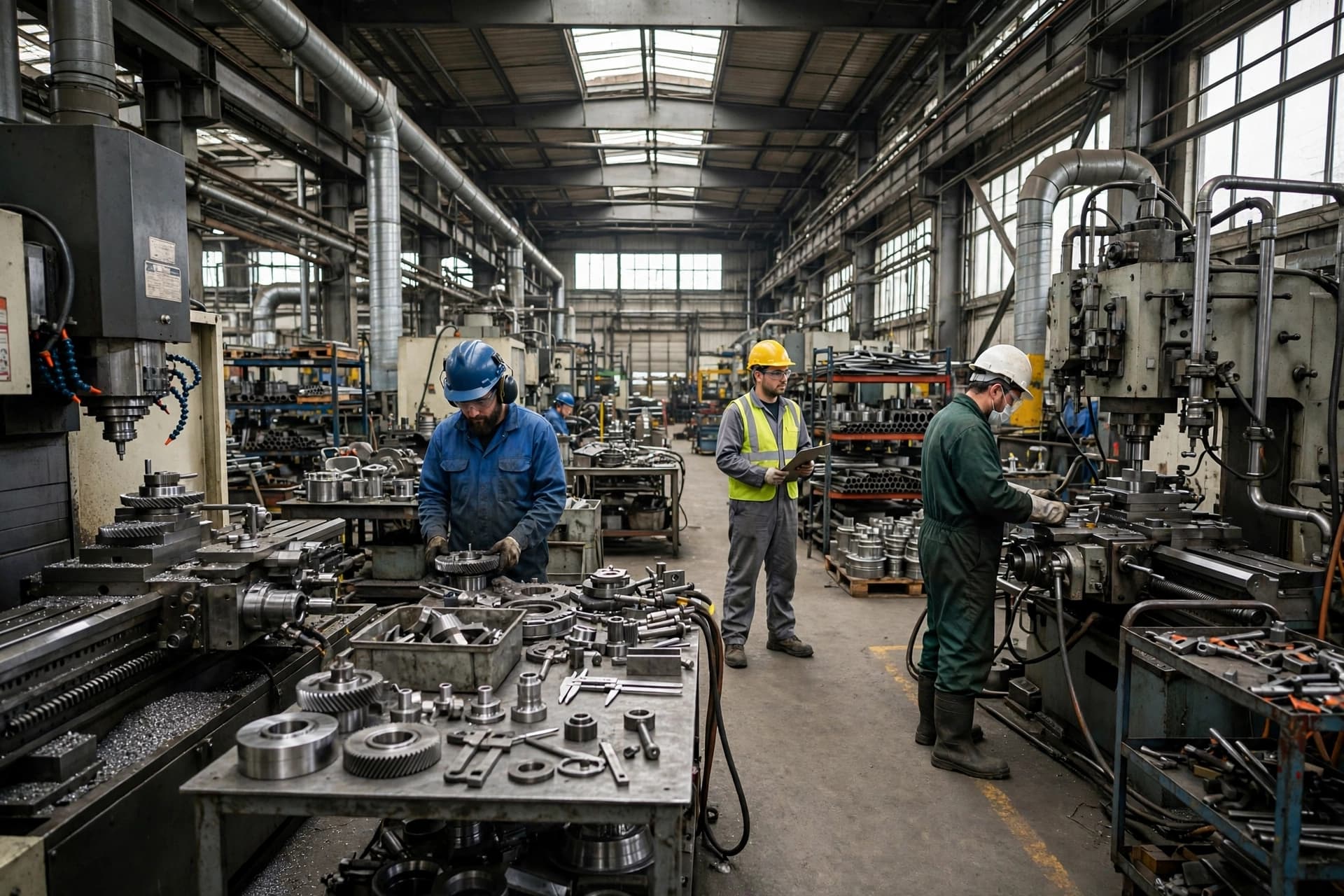
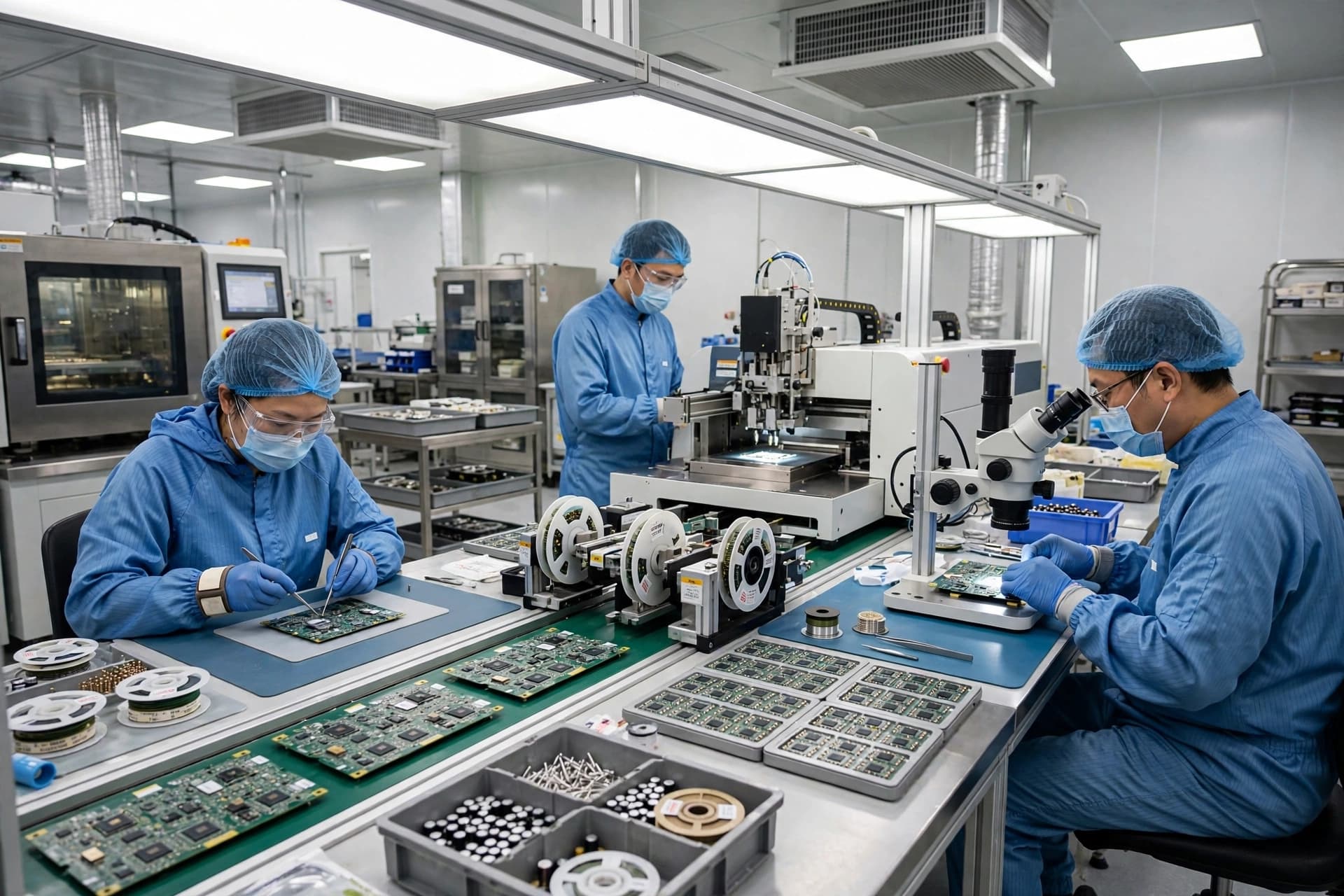
AI Image Disclaimer Visuals are AI-generated and serve as conceptual representations.
Sources Reuters Financial Times Bloomberg The Economic Times
Published by Banx Network. This article is part of the Banx decentralized media programme, powered by the BXE token on the XRP Ledger.