There is a moment, when encountering a new technology, where novelty gives way to recognition. The language may be updated, the interface refined, the promises polished — but the shape of the idea feels known. Google’s unveiling of Gemini with “Personal Intelligence” lands squarely in that space, less a rupture than a continuation, carrying with it a sense of déjà vu.
The pitch is gentle and reassuring. Gemini is framed not simply as a tool, but as an assistant that understands context, remembers preferences, and adapts over time. It promises to be useful not just in tasks, but in tone — anticipating needs, smoothing friction, and learning the rhythms of an individual life. This is intelligence not as abstraction, but as accompaniment.
And yet, the idea itself is far from new. For more than a decade, technology companies have pursued personalization as both function and philosophy. Search results tailored to behavior, recommendations shaped by history, assistants trained on voice and habit — the infrastructure for personal intelligence has long been in place. What changes now is not intent, but articulation.
Gemini’s framing reflects a broader shift in how AI is being positioned. Rather than emphasizing raw capability, the focus turns inward, toward relationship. The system is meant to feel familiar, even intuitive, drawing on data already shared across services. Emails, documents, schedules, preferences — the contours of a digital self quietly assembled over years.
This familiarity is where the tension resides. Personal intelligence relies on memory, and memory implies accumulation. The more seamless the experience, the less visible the boundaries become between assistance and observation. What is marketed as understanding can also feel like surveillance softened by convenience.
Supporters argue that this is simply maturation — technology finally aligning with how people actually live, think, and work. Critics note that personalization has always carried trade-offs, especially when deployed at scale. The more an AI knows, the more power it holds to shape attention, decision-making, and even self-perception.
What Gemini reveals, then, is less about a single product than about an industry settling into its long-term direction. Artificial intelligence is no longer chasing amazement alone. It is seeking permanence, embedding itself quietly into daily life, becoming less noticeable by becoming more personal.
In that sense, the familiarity is the point. Gemini with Personal Intelligence does not arrive as a stranger. It arrives as something that feels already present — a reflection of years of incremental steps now gathered under a clearer name. Whether that clarity reassures or unsettles depends on how comfortable one is with being known.
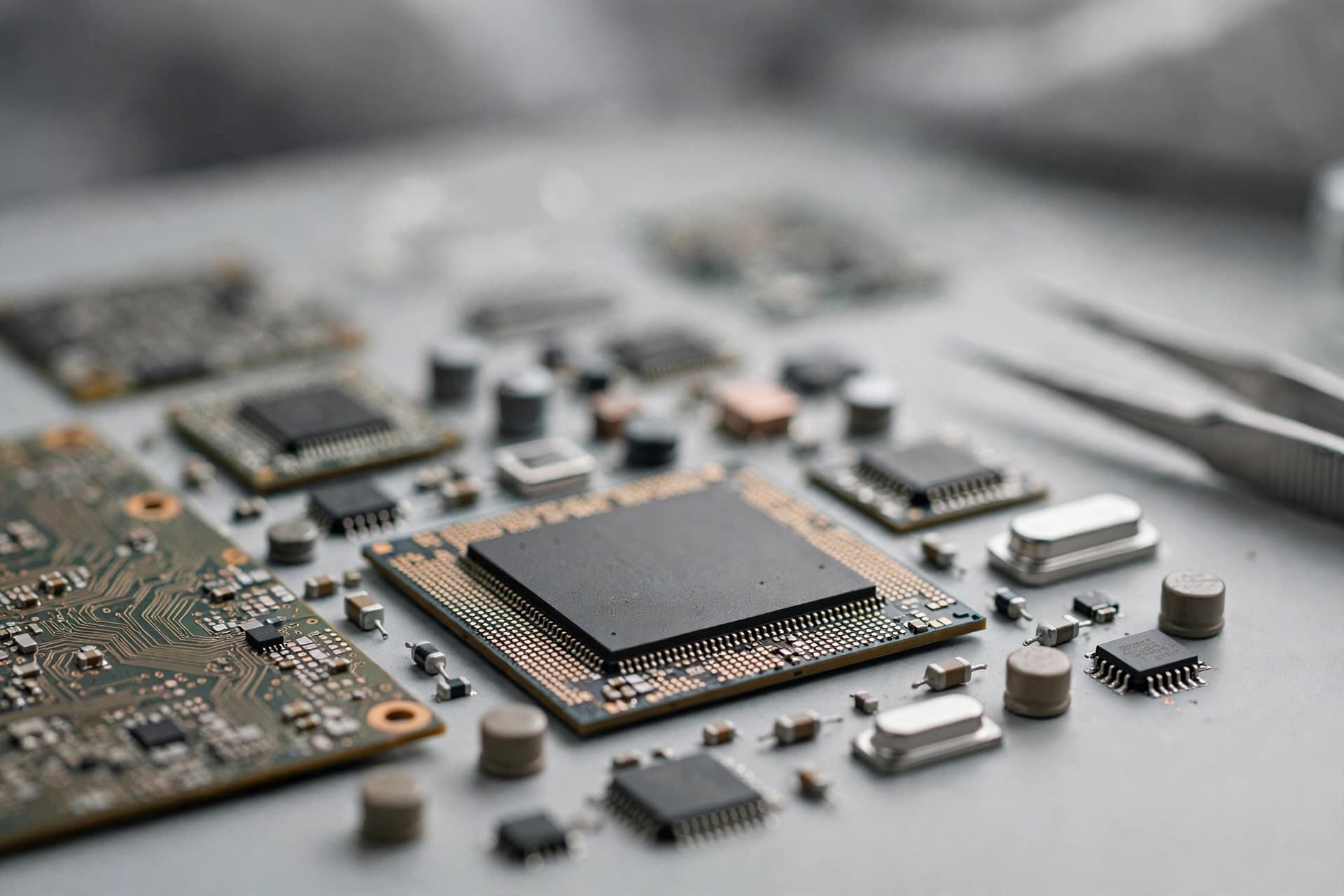
AI Image Disclaimer Illustrations were created using AI tools and are not real photographs.
Sources Google product announcements Artificial intelligence researchers Technology policy analysts
Published by Banx Network. This article is part of the Banx decentralized media programme, powered by the BXE token on the XRP Ledger.