Singapore has always lived by movement. Ships pass through its waters, aircraft cross its skies, and capital moves between offices overlooking one of the world's busiest commercial crossroads. Increasingly, another current is shaping the city-state: investment in artificial intelligence.
Singapore raised its 2026 economic growth forecast after reporting stronger-than-expected second-quarter expansion. The government attributed part of the improved outlook to robust global investment linked to artificial intelligence.
The development highlights the unusual position Singapore occupies within the global technology economy. The country is small in population and land area, yet its financial system, infrastructure, logistics networks, and international business connections allow it to participate in large-scale global investment trends.
Artificial intelligence has become particularly important because its expansion requires more than software. Data centers, semiconductors, electricity infrastructure, cloud computing, specialized equipment, and financial services are all connected to the technology's growth.
Singapore has sought to position itself across several of those layers. Its established role as a regional financial center gives technology companies access to capital, while its advanced infrastructure supports data-intensive businesses.
The second-quarter performance suggested that these global technology investments were contributing to broader economic activity. Strong external demand can benefit manufacturers, exporters, logistics providers, and professional services companies operating from Singapore.
Yet the technology boom also brings new requirements. Data centers consume significant amounts of electricity and require reliable networks, making energy supply and infrastructure planning increasingly important.
For businesses, Singapore's attraction lies partly in its ability to connect different parts of the Asian economy. A company can use the country as a base for finance, regional management, logistics, technology development, and investment while reaching larger markets across Southeast Asia.
The government has therefore continued to develop policies intended to support digitalization and advanced industries. The objective is not simply to attract technology companies but to build an ecosystem in which technology investment can generate wider economic activity.
The global AI cycle remains uncertain, however. Technology investment can accelerate rapidly when companies expect strong returns, but spending patterns can change if financing costs rise or businesses begin questioning the immediate value of expensive infrastructure.
For Singapore, the stronger growth forecast provides a positive signal as the year progresses. The challenge will be maintaining that momentum while ensuring that the benefits of the technology cycle extend across the broader economy rather than remaining concentrated in a small number of industries.
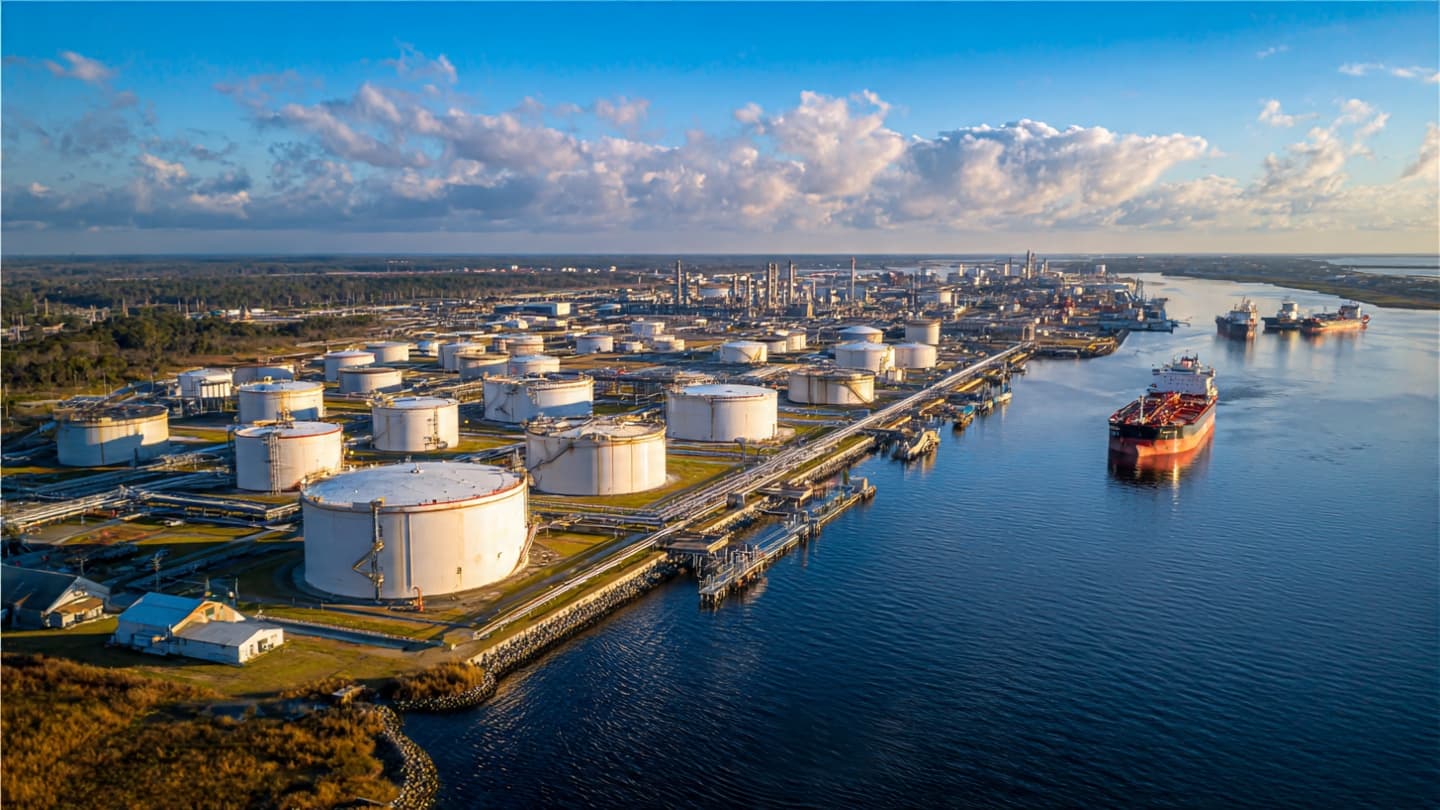
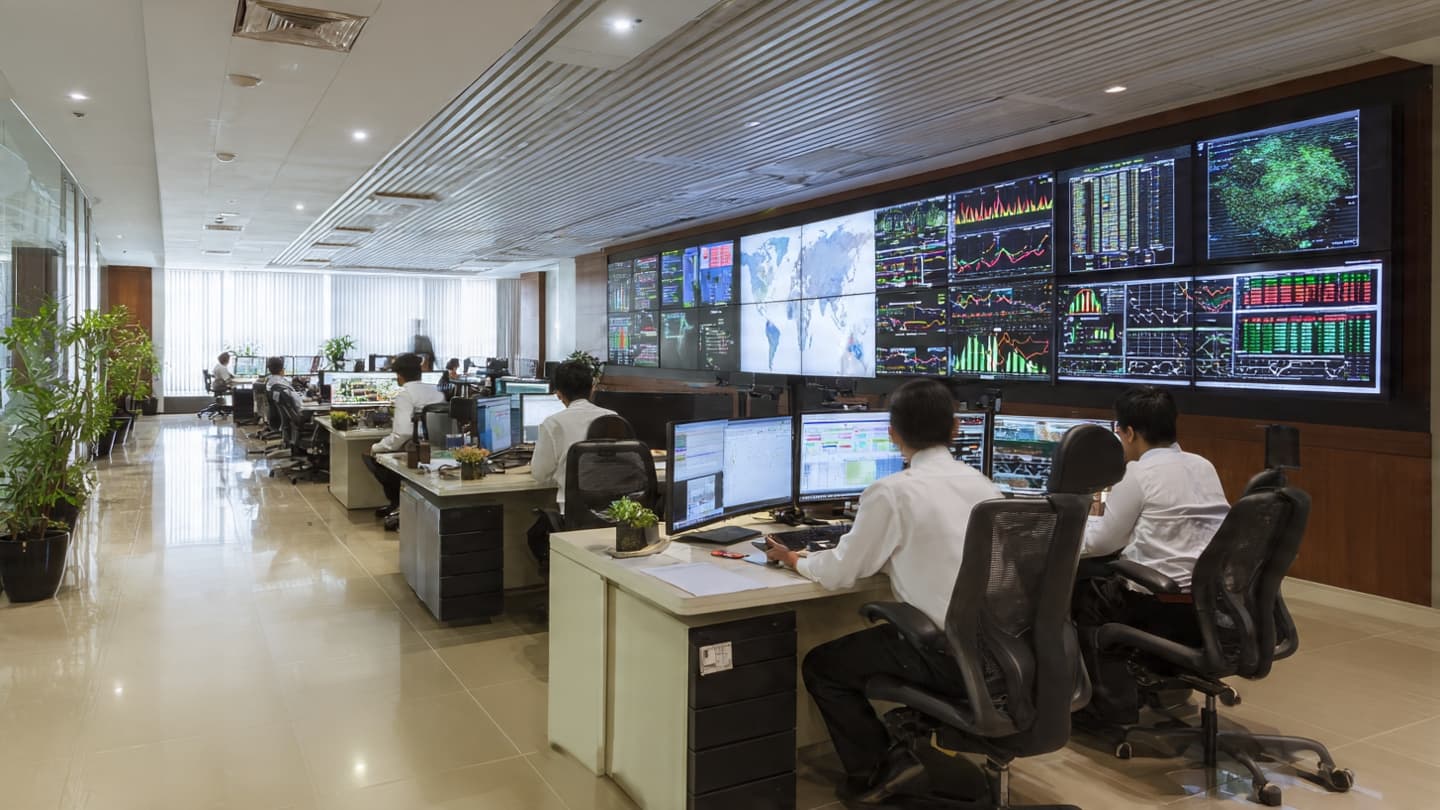
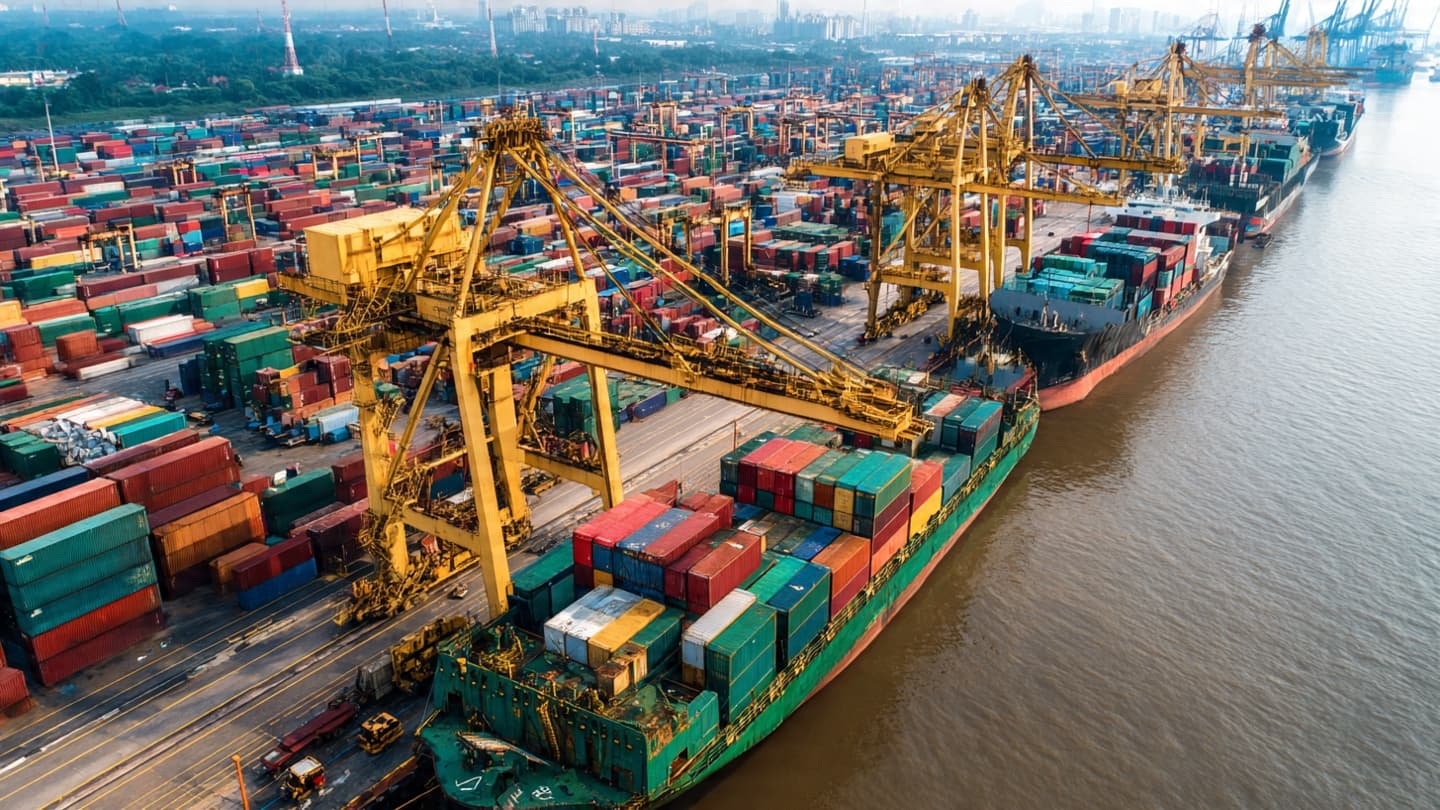
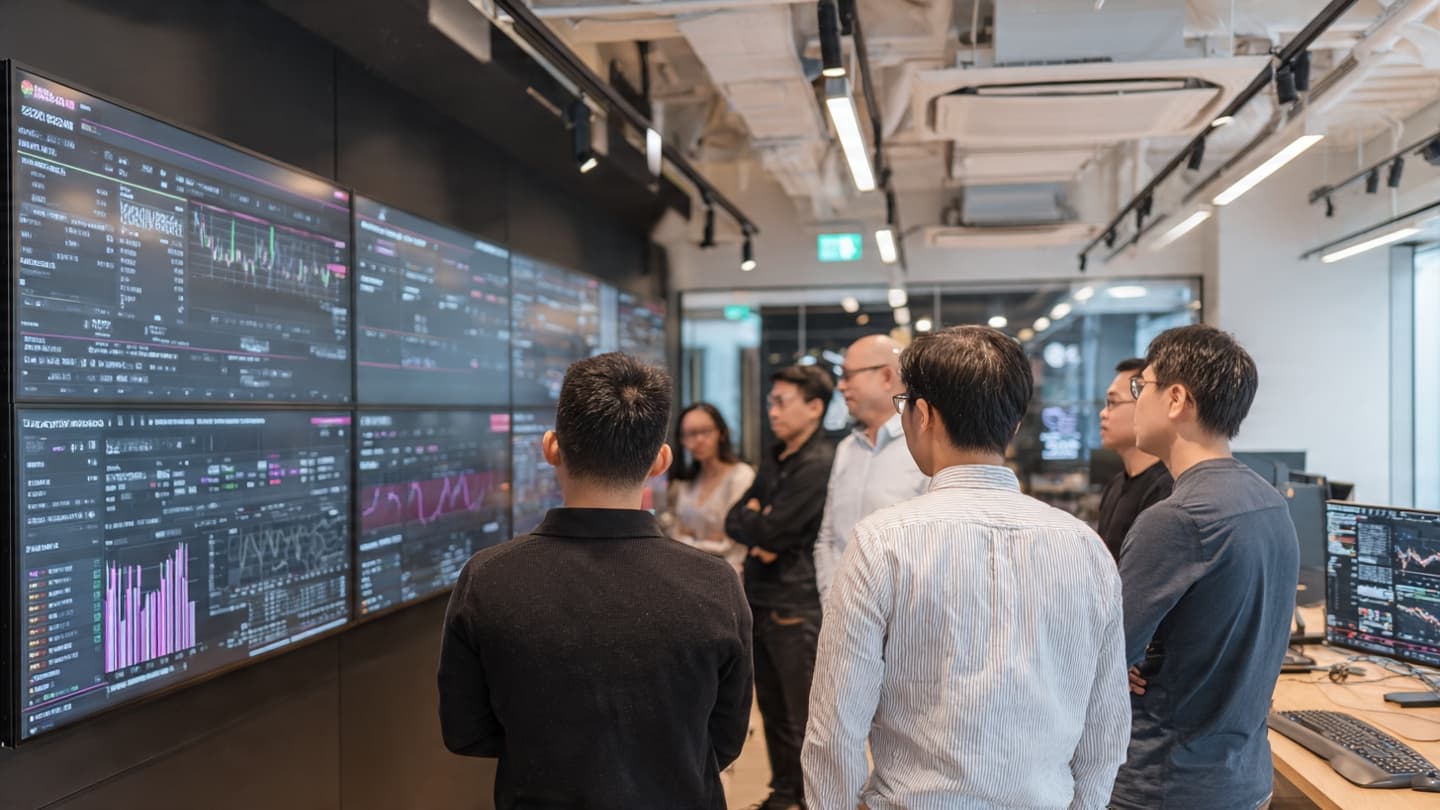
AI Image Disclaimer These visuals were produced with AI tools for illustrative purposes and represent Singapore’s technology-driven economy rather than real photographic scenes.
Sources Reuters Ministry of Trade and Industry Singapore
Published by Banx Network. This article is part of the Banx decentralized media programme, powered by the BXE token on the XRP Ledger.