There are mornings when the sky seems to carry more than weather. Across parts of western Indonesia on Monday, September air became a reminder of the landscape beneath it, as volcanic ash from Anak Krakatau traveled through the atmosphere and settled over places accustomed to the ordinary rhythm of aircraft, roads, and city life.
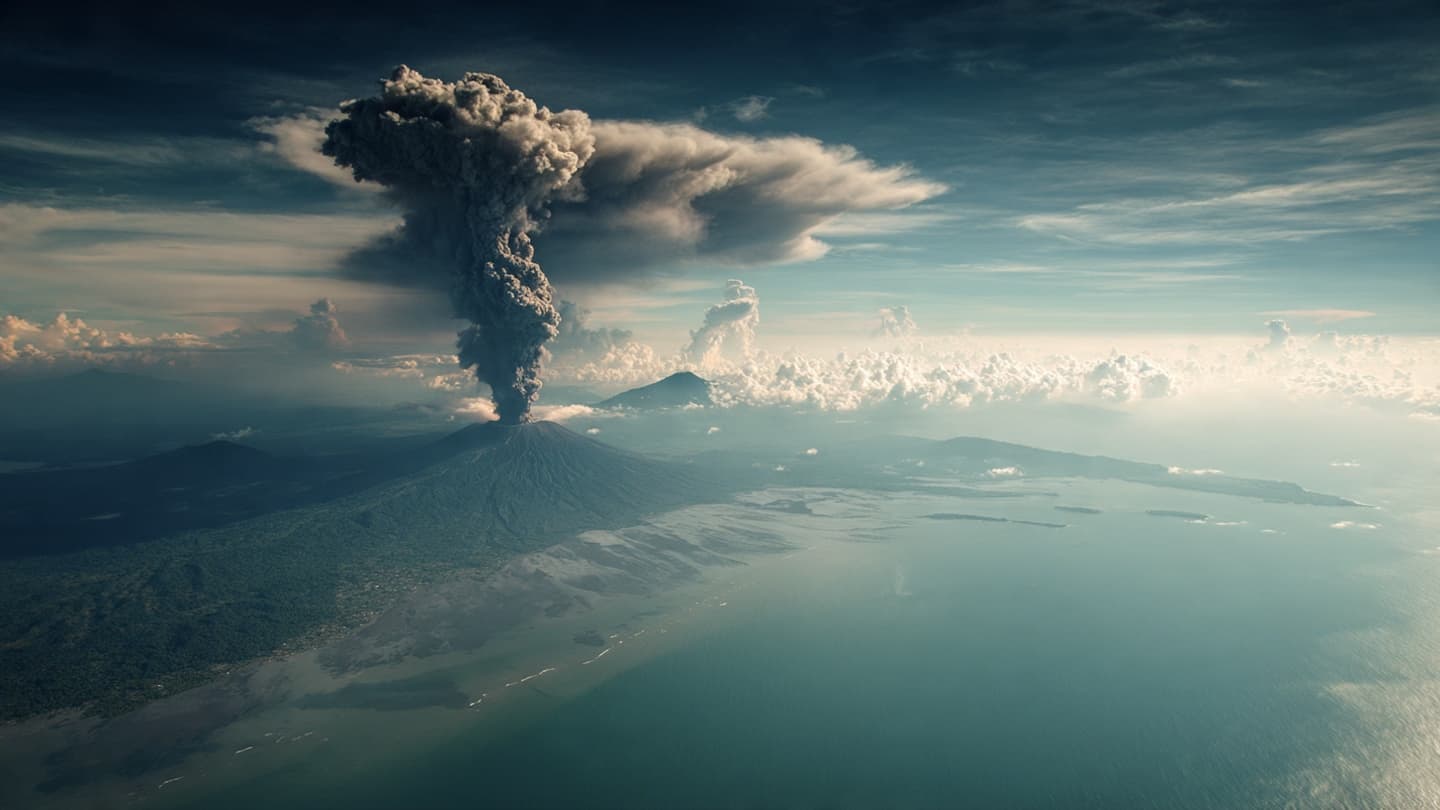
The eruption began on Friday night, sending ash high above the volcano located in the Sunda Strait between Java and Sumatra. Authorities reported ash columns reaching as high as 50,000 feet, while changing wind conditions continued to influence where the material moved. What began around an active volcanic island soon became a disruption felt far beyond its immediate surroundings.
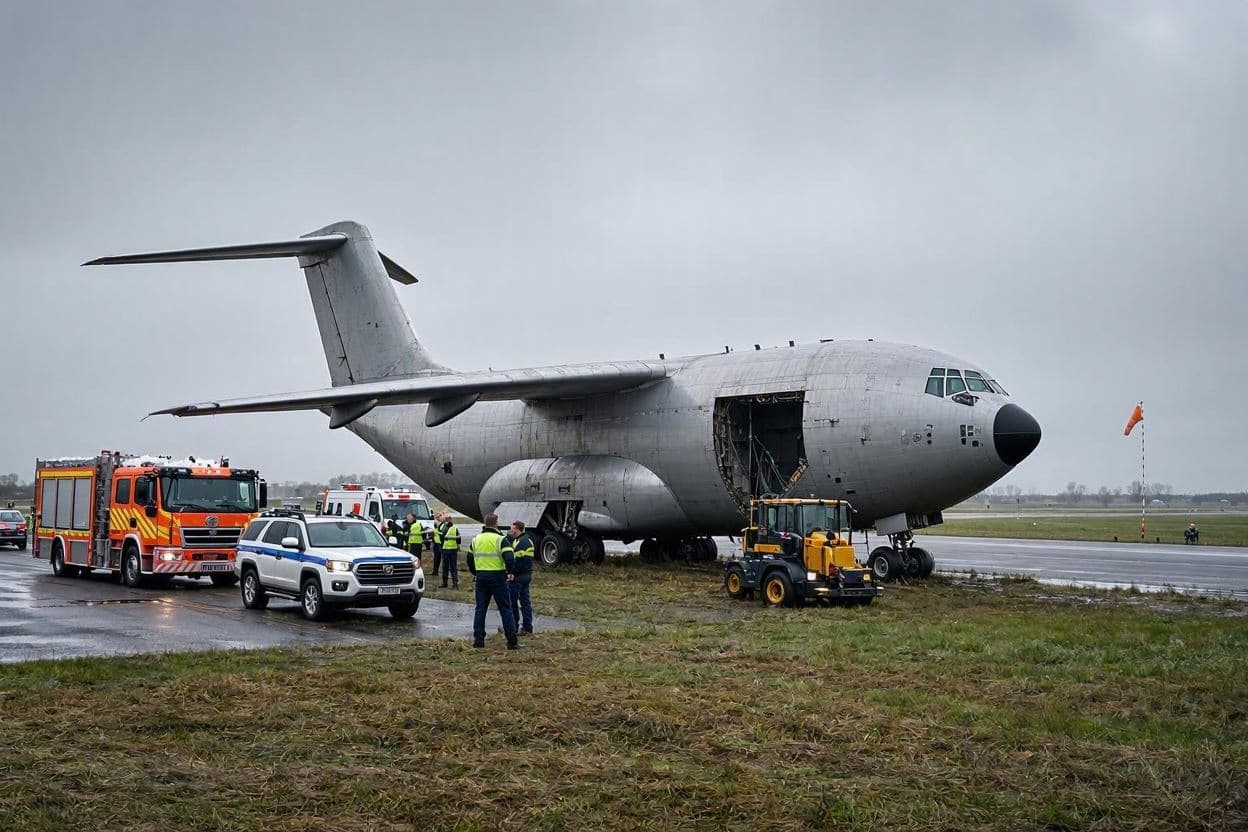
Seven airports remained closed on Monday, including two serving Jakarta, as aviation authorities assessed the risks created by volcanic ash. Soekarno-Hatta International Airport, Indonesia’s principal gateway, was expected to remain closed until at least 6 p.m. local time, with weather conditions making the situation difficult to predict.
The disruption reached a scale measured not only in aircraft but in people waiting for them. More than 2,300 flights were affected, according to Reuters, involving more than 270,000 passengers whose journeys were interrupted as airlines and airport authorities responded to the changing conditions.
For aviation, volcanic ash carries a particular danger because it can damage aircraft engines and interfere with safe flight operations. That is why an eruption occurring miles from an airport can still reshape schedules, routes, and departure boards. Distance, in such circumstances, becomes less meaningful than the movement of the atmosphere.
On the ground, the ash also brought a quieter concern. Authorities urged people to wear masks outdoors, while schools in Jakarta and Lampung shifted toward remote learning because of health concerns associated with airborne volcanic material. The disruption therefore moved beyond transportation, touching classrooms and daily routines.
Anak Krakatau is part of a volcanic landscape already woven deeply into Indonesia’s history. Its predecessor, Krakatoa, produced the devastating 1883 eruption, while Anak Krakatau itself was involved in a major eruption in 2018 that was followed by a tsunami that killed more than 400 people. The history gives the present eruption a longer shadow, even as authorities continue to monitor its current behavior.
For travelers, however, the immediate reality is simpler: departure boards remain uncertain, aircraft remain grounded, and weather conditions can change the situation from one hour to the next. Indonesian officials have emphasized that the circumstances remain unpredictable, particularly as wind and dry conditions influence the spread of ash.
For now, western Indonesia remains attentive to the volcano and the skies above it. Authorities continue monitoring the eruption while aviation operations are adjusted according to safety conditions. The next movement may come from the volcano, the wind, or both, leaving airports and passengers waiting for clearer skies.
AI Image Disclaimer Visuals are AI-generated and created as conceptual representations of the reported event, not documentary photographs.
Sources Reuters
Published by Banx Network. This article is part of the Banx decentralized media programme, powered by the BXE token on the XRP Ledger.