In the shadow of shattered concrete and twisted steel, a somber ritual unfolds. For the families in Gaza, the act of burial is not merely a final goodbye but a painful reclamation of dignity amidst devastation. Recently, the remains of one hundred individuals were recovered from the rubble, allowing grieving relatives to perform the rites that honor the dead. This moment, steeped in sorrow, highlights the profound human cost of conflict and the enduring need for closure even in the most破碎 of circumstances.
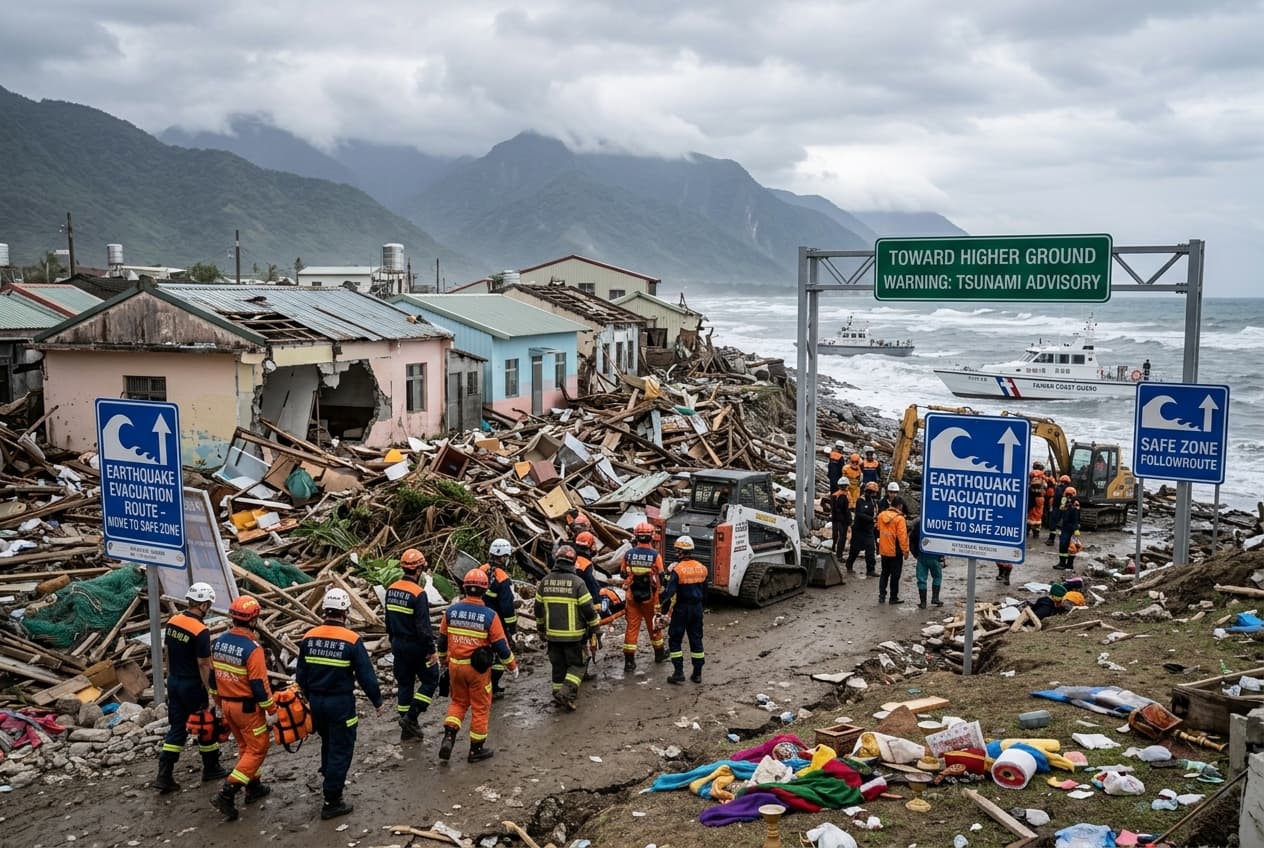
The recovery process is painstaking and hazardous. Rescue workers and volunteers sift through layers of debris, often with bare hands or simple tools, searching for any sign of life or remains. Each discovery is met with a mix of relief and heartbreak, as identification becomes the next difficult hurdle. The sheer volume of losses underscores the scale of destruction that has transformed neighborhoods into graveyards, leaving communities to navigate a landscape of loss.
For those waiting, the uncertainty has been a torment of its own. Not knowing the fate of loved ones creates a limbo of anxiety and hope. The confirmation of death, while devastating, offers a grim resolution. It allows families to begin the mourning process, to gather together, and to share their grief in a collective embrace that provides some measure of comfort in an otherwise isolating experience.
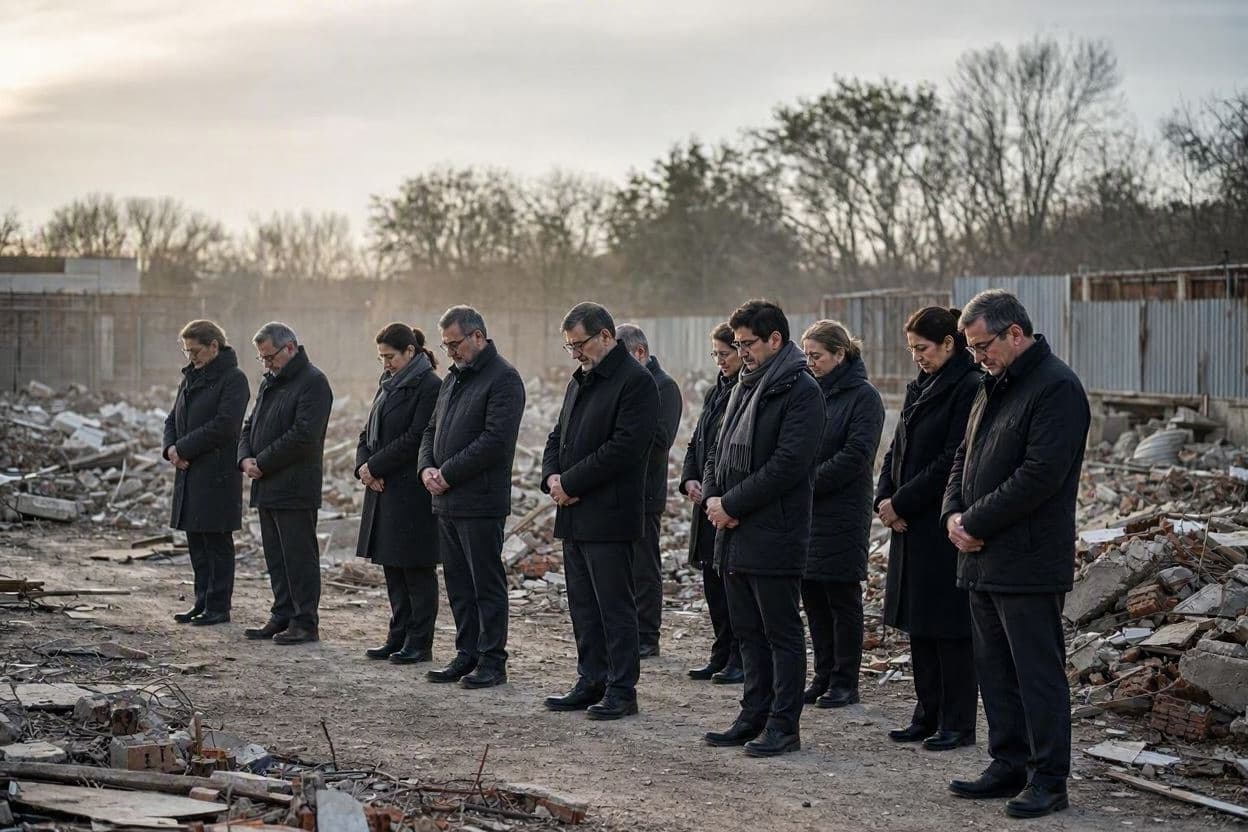
The burials themselves are often hurried and modest, dictated by the scarcity of resources and the ongoing instability. Traditional ceremonies may be abbreviated, yet the spiritual significance remains intact. Prayers are whispered, tears are shed, and the earth receives those who have passed. These acts of faith serve as anchors, grounding people in their traditions and identity when everything else seems to have been stripped away.
Community support plays a crucial role during these times. Neighbors help neighbors, sharing what little they have and offering words of solace. The social fabric, though strained, holds firm through mutual aid and shared suffering. This resilience is a testament to the strength of the human spirit, which seeks connection and meaning even in the face of overwhelming tragedy.
International observers watch with deep concern, noting the humanitarian crisis that accompanies such loss. Aid organizations strive to provide basic necessities, but the emotional and psychological toll requires long-term attention. The trauma of losing so many, often in sudden and violent ways, leaves scars that will take generations to heal. Support systems must be robust and sustained to address these deep wounds.
As the sun sets over the damaged landscape, the silence is heavy with memory. The graves, marked simply if at all, stand as silent witnesses to the lives lost. They remind the world that behind every statistic is a person, a story, and a family left behind. Honoring them is a moral imperative that transcends political boundaries.
The burial of 100 individuals in Gaza is a poignant reminder of the human toll of conflict. As families find closure, the community continues to grapple with loss, underscoring the urgent need for peace and humanitarian support to heal deep wounds.
AI Image Disclaimer: The visual representations accompanying this article are generated by artificial intelligence to illustrate the solemn context of the report.
Sources: Al Jazeera Reuters Associated Press
Published by Banx Network. This article is part of the Banx decentralized media programme, powered by the BXE token on the XRP Ledger.