Across the American industrial landscape, the sound of machinery has begun to carry a little farther. Factory floors that had spent months moving cautiously through uncertainty found a stronger rhythm in July, as manufacturing activity reached its highest level in more than four years. The change was not a sudden industrial boom, but it offered another sign that parts of the U.S. economy were retaining considerable strength.
The Institute for Supply Management's manufacturing purchasing managers index rose to 54.8 in July from 52.9 in June. A reading above 50 indicates expansion, and the July result represented the strongest manufacturing performance since February 2022. The figure also exceeded economists' expectations, with a Reuters poll having forecast a reading of 52.5.
New orders provided an important part of the momentum. The new orders index increased to 57.8 from 56.4, while production also strengthened. When orders rise, manufacturers have greater reason to keep production lines active, replenish inventories and plan for additional demand. The July figures therefore suggested that activity was not being driven solely by existing work moving through factories.
Employment inside manufacturing also improved. The ISM employment index climbed to its highest level in four years, adding another layer to the industrial recovery. Hiring in manufacturing has often been closely watched because it can reveal whether stronger production is beginning to translate into broader business confidence and employment opportunities.
The improvement arrived alongside continued strength in the wider American economy. The U.S. services sector also expanded in July, with its ISM index rising slightly to 54.1 from 54.0 in June. Services account for more than two-thirds of U.S. economic activity, meaning the combination of stronger manufacturing and steady services created a relatively broad picture of economic activity during the month.
There were, however, signs of pressure beneath the surface. Manufacturers continued to face elevated input costs, while businesses remained attentive to supply chains and international energy conditions. Stronger production does not automatically mean lower costs, and companies have had to balance demand with the price of materials, transportation and other inputs.
The services data offered a similar contrast. New orders increased sharply, but the prices-paid index rose to 70.3, while the employment sub-index fell below the expansion threshold. The combination showed that demand could remain strong even while companies faced higher costs and were cautious about adding workers.
The industrial improvement therefore sits within a broader economic landscape that remains uneven. Manufacturing has gained momentum, but employment and inflation indicators are sending more complicated signals. The July factory figures nevertheless provide a clear measure of resilience, particularly after months in which businesses had been navigating uncertainty surrounding demand and supply conditions.
For now, American factories are entering August with a stronger order book and the fastest manufacturing expansion in more than four years. Whether that momentum can continue will depend on demand, costs and the ability of companies to maintain production without allowing price pressures to accelerate. The latest ISM data show that, at least through July, the industrial side of the U.S. economy was moving with renewed strength.
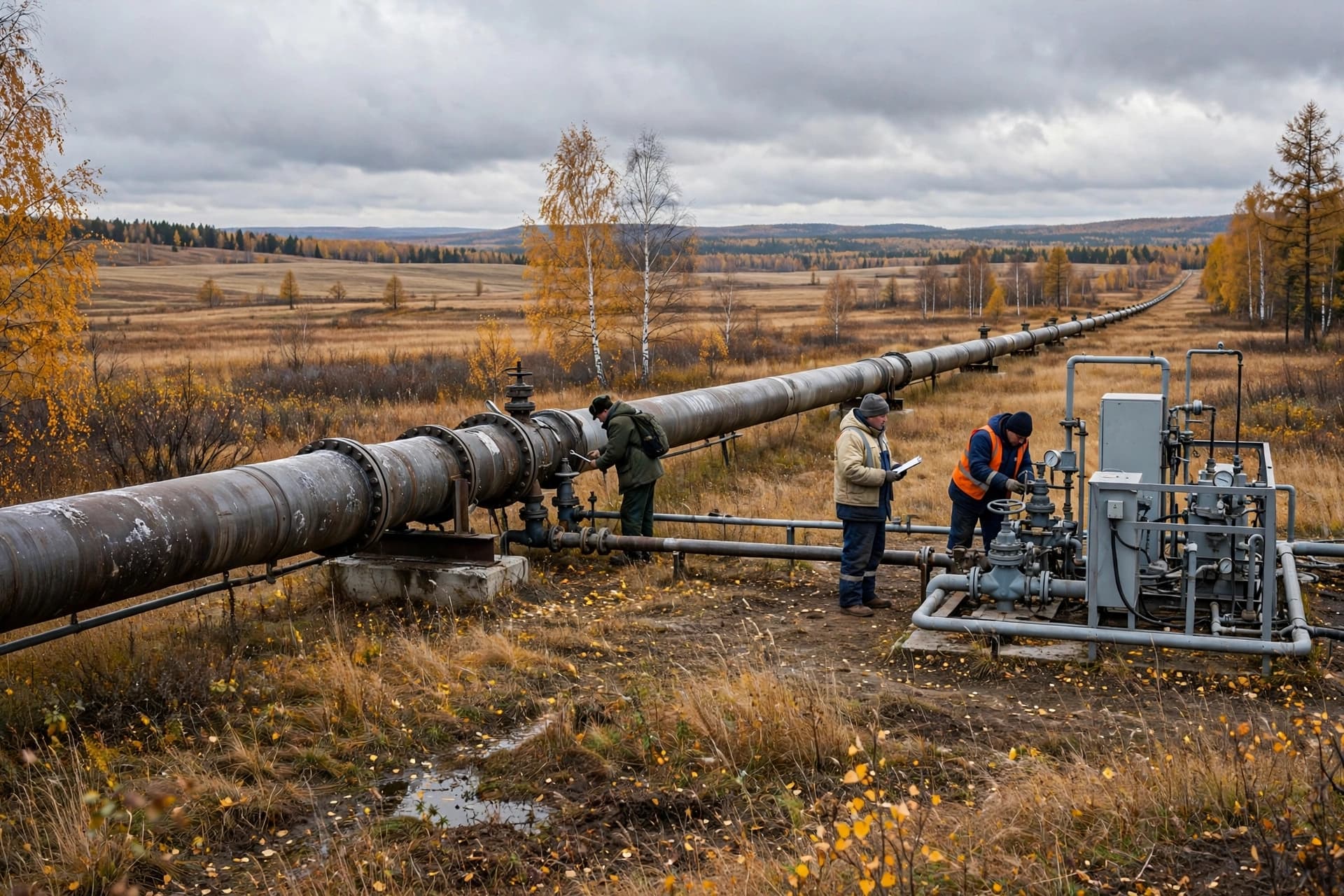
AI Image Disclaimer: Visuals are AI-generated and intended as conceptual representations of the manufacturing environments described.
Sources: Reuters, Institute for Supply Management.
Published by Banx Network. This article is part of the Banx decentralized media programme, powered by the BXE token on the XRP Ledger.