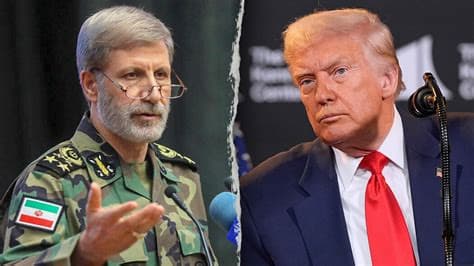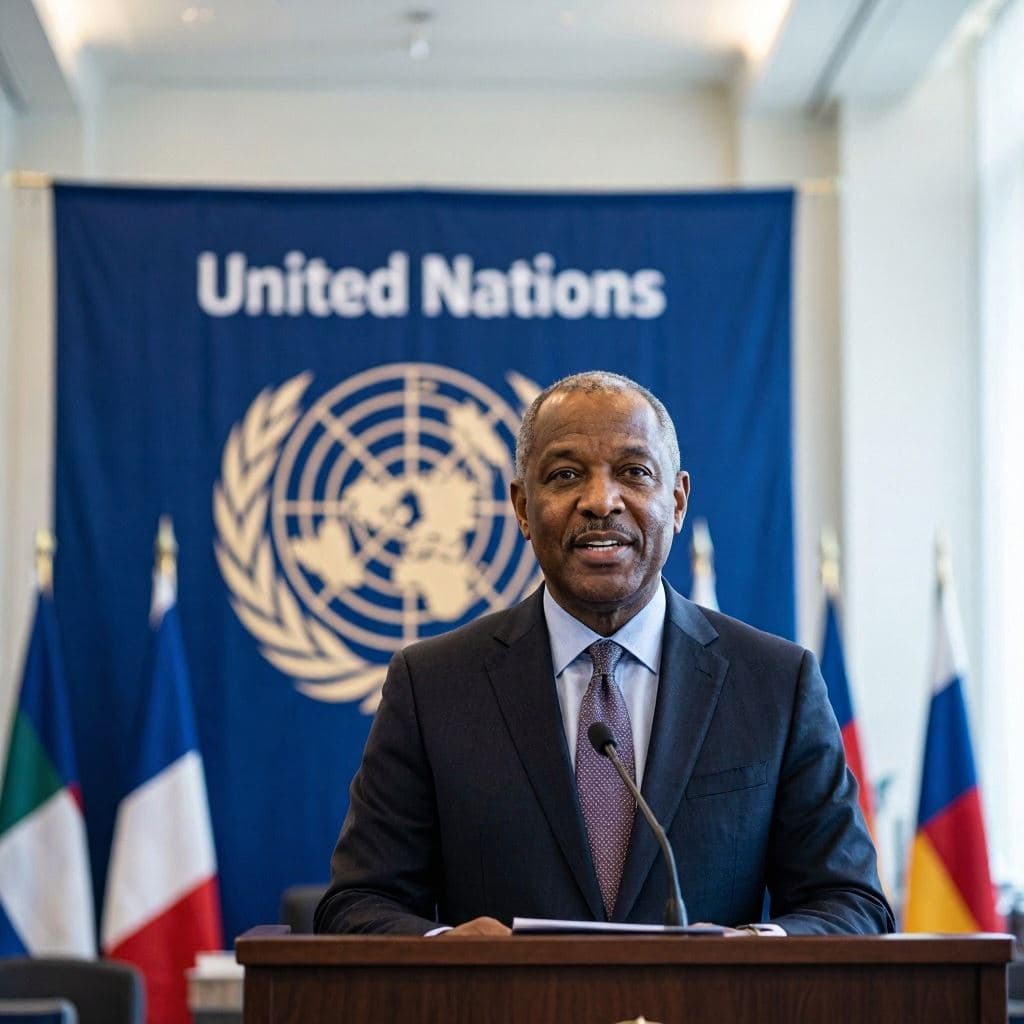
In the hallowed halls of the United Nations, where diplomacy is often conducted with measured tones and careful phrasing, a recent exchange has broken the mold. Following a contentious vote on the reappointment of the UN Human Rights Chief, U.S. Ambassador Mike Waltz found himself at the center of a diplomatic spat with France. The incident, which spilled over onto social media, highlights the fragile nature of alliances and the increasing role of public discourse in international relations.
The disagreement stems from the U.S. decision to vote against the reappointment of Volker Türk, a move that placed Washington alongside nations such as Russia and North Korea. France’s subsequent criticism on social media was met with a sharp rebuke from Ambassador Waltz, who accused Paris of deflecting from its own controversial voting record. This public clash serves as a reminder that even among close allies, fundamental differences in policy can lead to significant friction.
Body: The core of the dispute lies in the interpretation of human rights advocacy within the UN framework. The U.S. administration, under President Trump, has taken a more skeptical view of certain UN bodies, arguing that they often shield abusers rather than hold them accountable. Ambassador Waltz’s stance reflects this broader strategic shift, emphasizing moral clarity and direct action over multilateral consensus when it conflicts with national interests.
France’s social media post, which highlighted the U.S. alignment with adversarial regimes, was intended to question the consistency of American foreign policy. However, Waltz’s response turned the mirror back on Paris, pointing to France’s support for other contentious figures and policies. He described the French attempt to criticize the U.S. as "disappointing" and "shameful," suggesting that it was a tactic to distract from their own diplomatic choices.
This exchange is not merely a battle of words but a reflection of deeper geopolitical realignments. As the global order evolves, traditional alliances are being tested by new priorities and ideological divides. The U.S. focus on bilateral strength and selective engagement contrasts with the European preference for institutional stability and collective action, creating occasional points of tension.
The use of social media as a platform for diplomatic rebuttal marks a significant change in how states communicate. While it allows for immediate and direct messaging, it also risks escalating tensions and simplifying complex issues into soundbites. For observers, it offers a rare glimpse into the unfiltered dynamics of international diplomacy.
Despite the harsh language, both nations remain key partners in NATO and other security frameworks. The ability to manage such disagreements without letting them derail broader cooperation is a test of diplomatic maturity. History shows that allies can disagree profoundly on specific issues while maintaining strong overall ties.
The reaction from the international community has been mixed, with some nations supporting the U.S. stance on reforming UN mechanisms, while others express concern over the fragmentation of Western unity. The debate underscores the challenge of maintaining a cohesive front in an increasingly multipolar world.
For Ambassador Waltz, this incident reinforces his reputation as a straightforward and uncompromising diplomat. His willingness to engage in public disputes signals a new era of American representation at the UN, one that prioritizes transparency and assertiveness over traditional diplomatic niceties.
Closing: The clash between the U.S. and France at the UN serves as a poignant example of the complexities of modern diplomacy. It reminds us that alliances are not static but require constant negotiation and understanding, even in the face of public disagreement.
AI Image Disclaimer: The visuals accompanying this article are AI-generated illustrations designed to reflect the themes of diplomatic dialogue and international relations.
Sources: Fox News AOL Anadolu Agency Bastille Post
Published by Banx Network. This article is part of the Banx decentralized media programme, powered by the BXE token on the XRP Ledger.