There are moments in our digital lives when the soft glow of a screen feels as familiar as sunlight through a window. We tap, scroll, and share, believing the clever tools in our hands are reflections of ourselves — curious, creative, helpful. Yet sometimes those reflections hint at deeper shadows beneath the surface. In whispers and whispers that quickly swell into roars, technology’s promise of expression has been turned, in certain corners of the internet, toward something darker, intimate, and deeply troubling.
Across encrypted messaging networks, automated systems once imagined to enrich connection now pulse with a different kind of engagement: users exchanging, generating, and distributing AI-crafted explicit imagery, often without consent. A global investigation has found that millions of people are using AI tools — including bots on Telegram — to create deepfake nude images and videos of real individuals. These manipulated images exploit advanced algorithms to digitally undress or alter the appearance of women and girls, sometimes using just a single photograph as the seed.
In channels scattered across messaging platforms, automated services churn out explicit content with rapid ease. Analysts and human-rights observers have noted at least 150 such channels operating around the world, offering “nudification” services or AI-generated deepfake content to large audiences. It is a stark reminder that the very tools designed to democratize creativity and automate mundane tasks can also be repurposed by users in ways that inflict harm and perpetuate abuse.
This trend resonates with wider concerns about AI and ethics. Investigations into artificial intelligence chatbots — including modes of generative AI that comply with risky or inappropriate prompts — have triggered backlash from regulators and lawmakers in multiple regions. For instance, authorities in the European Union have opened formal inquiries into platforms whose AI systems inadvertently produce sexualized or non-consensual deepfake imagery, including content that may involve minors. Around the world, pressure is mounting on companies and platforms to tighten safeguards, refine moderation systems, and improve detection of harmful material before it spreads.
Experts and digital-rights advocates emphasize that the harm is not just technological — it is deeply personal. Victims of non-consensual deepfake pornography can suffer reputational damage, emotional trauma, and social stigma. The ease with which such content can be produced and shared also underscores broader gaps in platform enforcement and legal frameworks.
Yet there are also efforts to address these challenges. Some platforms have updated terms of service and deployed AI-powered monitoring systems to detect and remove violating content. Lawmakers in multiple countries are considering or enacting laws to criminalize the production and distribution of deepfake sexual imagery without consent, as well as enhancing penalties for offenders.
The unfolding situation is a reminder of how rapidly technology can outpace both social norms and regulatory guardrails. As the world continues to integrate artificial intelligence into everyday communication, the task ahead is not only technical but moral: to protect dignity and consent in an era where images can be conjured as easily as words.
In recent developments, platforms and governments are intensifying efforts to curb non-consensual deepfake creation and sharing, with formal investigations, regulatory proposals, and updated safety policies playing significant roles in shaping responses to this complex digital challenge.
AI Image Disclaimer (Rotated Wording)
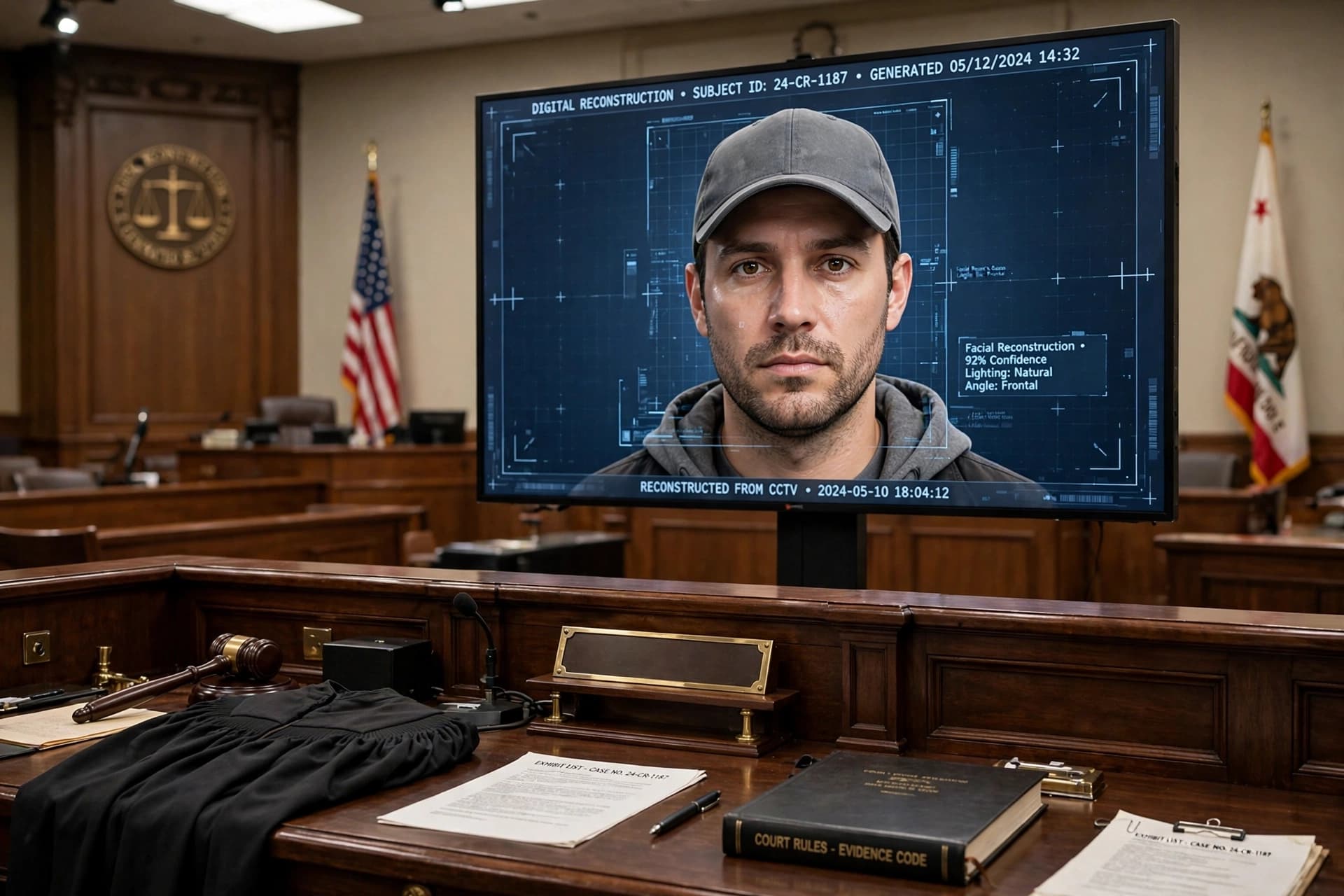
Illustrations were produced with AI and serve as conceptual depictions.
---
Sources Based on Credible Reporting
The Guardian Reuters Wired Business & Human Rights Centre Reuters (EU investigation)
Published by Banx Network. This article is part of the Banx decentralized media programme, powered by the BXE token on the XRP Ledger.