There is a particular unease that arrives when technology allows the dead to speak—a speaking that is not memory but manufacture, not testimony but invention, shaped by the living and presented as if it were the voice of the lost. In an Arizona courtroom, that unease became a legal question. Gabriel Horcasitas, convicted of manslaughter for the 2021 road-rage shooting of Christopher Pelkey, was sentenced to 10.5 years in prison after the judge watched an AI-generated video in which a digital recreation of Pelkey appeared to forgive his killer. On Wednesday, the Arizona Court of Appeals vacated that sentence, ruling that the video was "not reliable" and that allowing it to influence the sentencing was a "fundamental error" .
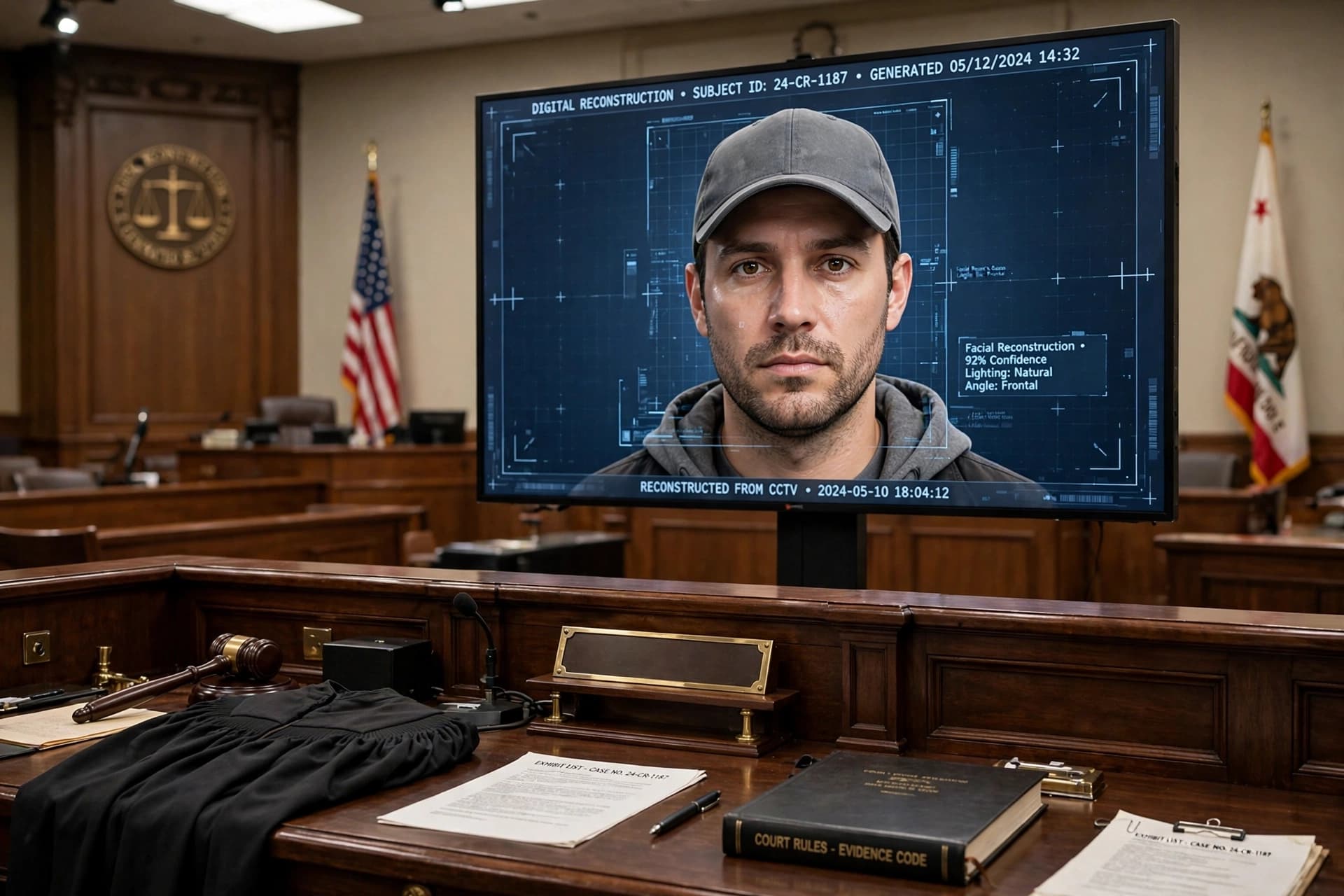
The video was created by Pelkey's sister, Stacey Wales, using voice recordings, videos, and photographs of her brother . In the AI clip, the digital Pelkey—wearing a grey baseball cap—addressed Horcasitas directly. "It is a shame we encountered each other that day in those circumstances," the AI version said. "In another life we probably could have been friends." It added: "I believe in forgiveness and God who forgives. I always have, and I still do" .
After the video played, Maricopa County Superior Court Judge Todd Lang told the court: "I loved that AI, thank you for that. As angry as you are, as justifiably angry as the family is, I heard the forgiveness. I feel that was genuine" . The judge then imposed a sentence of 10.5 years—more than the nine years prosecutors had suggested .
The Court of Appeals ruled that the AI video "crossed that line." "Rather than document an event or recording a particular moment, the AI video presents a depiction of the victim and his thoughts created from the imaginings of the victim's sister," the court wrote . The three-judge panel concluded that the judge's comments showed the video had influenced the sentencing, and that "there is no question it played a role" .
The court upheld Horcasitas's manslaughter conviction but ordered that he be resentenced. The ruling noted that no Arizona case had previously addressed the admissibility of an AI-generated depiction of a victim offered as a victim impact statement . The decision is believed to be the first of its kind in the United States .
For Pelkey's family, the video was an attempt to give voice to a man who could no longer speak. For the court, it was an unreliable fabrication that compromised the fairness of the proceeding. The resentencing will now proceed without the AI's testimony. The question of what the dead would say, and whether we have the right to say it for them, remains unsettled.
AI Image Disclaimer: All images in this article are AI-generated and are intended for illustrative purposes only.
Sources: Daily Mail, BBC, News18, New York Post, China Press
Published by Banx Network. This article is part of the Banx decentralized media programme, powered by the BXE token on the XRP Ledger.