Healthcare systems often reflect a society’s deeper values, revealing how care is extended in moments of vulnerability. For refugees, whose journeys are often marked by uncertainty, access to medical support can serve as both a necessity and a quiet reassurance of stability.
Recent policy adjustments have introduced requirements for some refugees to cover portions of their medical expenses out of pocket. The change has drawn concern from healthcare professionals, who warn that financial barriers may discourage individuals from seeking timely care.
Doctors emphasize that early intervention is a cornerstone of effective treatment. When patients delay visits due to cost concerns, conditions that might have been manageable can become more serious, leading to more complex and costly care in the long run.
The issue is particularly significant for refugees, many of whom arrive with limited financial resources and may already face challenges navigating a new healthcare system. Language barriers, unfamiliar procedures, and logistical hurdles can compound the impact of added expenses.
Medical professionals have also pointed to public health implications. When access to care becomes uneven, the broader community can be affected, particularly in cases involving communicable diseases or untreated chronic conditions.
Advocacy groups have echoed these concerns, urging policymakers to consider the long-term effects of cost-sharing measures. They argue that equitable access to healthcare is not only a humanitarian consideration but also a practical one for maintaining overall system efficiency.
Government representatives have noted that the changes are part of broader efforts to manage healthcare spending. However, discussions continue regarding how to balance fiscal responsibility with accessibility, especially for vulnerable populations.
The conversation remains ongoing, with healthcare providers, policymakers, and community organizations seeking common ground. The outcome may shape how care is delivered to those navigating both displacement and recovery.
As the policy takes effect, its impact will be closely observed, with many hoping that access to care remains within reach for those who need it most.
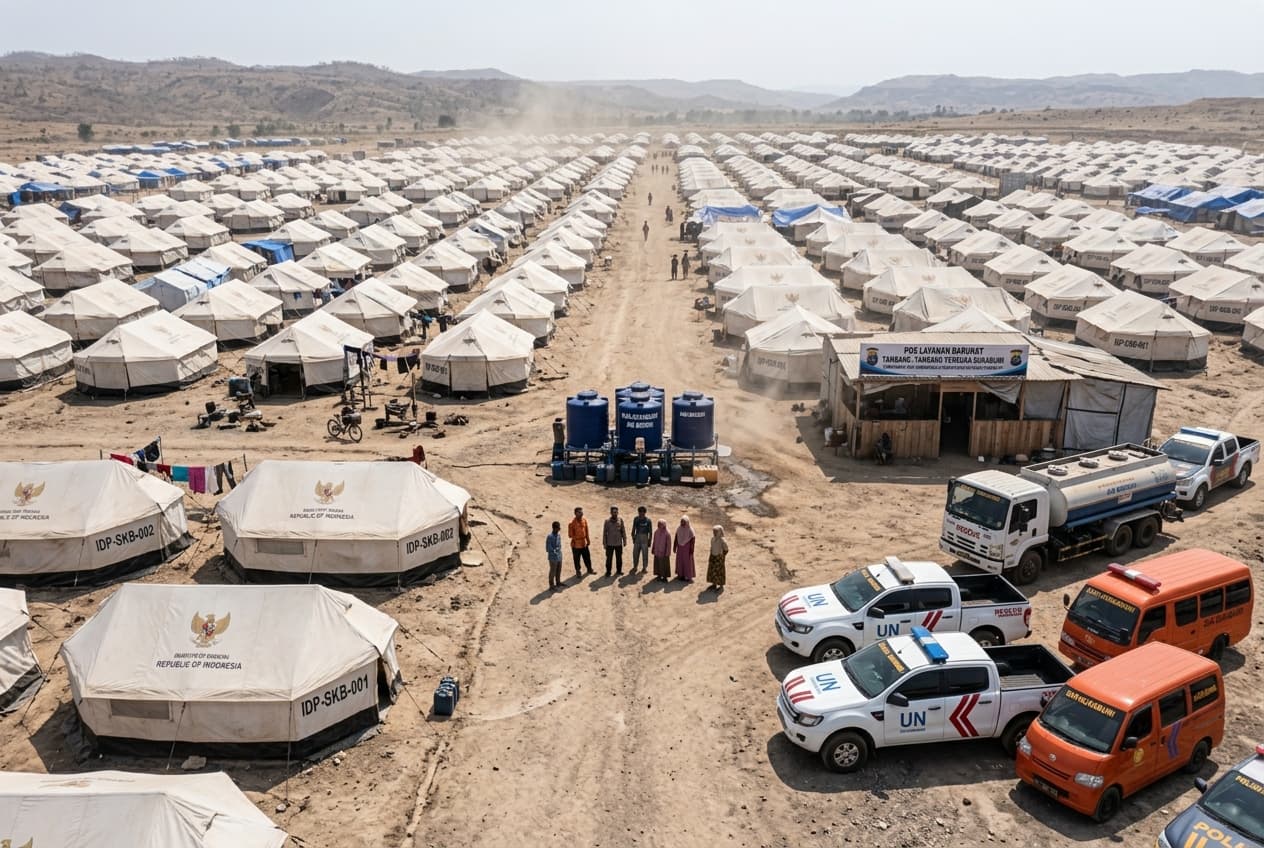
AI Image Disclaimer: Visuals included may be AI-generated representations intended to illustrate healthcare settings and do not depict real patients or specific situations.
Sources: CBC News, The Globe and Mail, Canadian Medical Association
Published by Banx Network. This article is part of the Banx decentralized media programme, powered by the BXE token on the XRP Ledger.