DECENTRALIZED MEDIA IS LIVE POWERED BY
Banx Media Platform logo
SCIENCE

When a frozen moon whispers the warm secret of biology

NASA finds heat signatures under Enceladus’ ice, suggesting its hidden ocean might host the chemistry that makes life possible.

M

Mene K

EXPERIENCED
1 min read
12 Views
Credibility Score: 100/100
When a frozen moon whispers the warm secret of biology

We keep imagining alien life as something dramatic — a signal, a silhouette, a landing. But the universe rarely works in spectacle. Sometimes, the first hint is thermal.

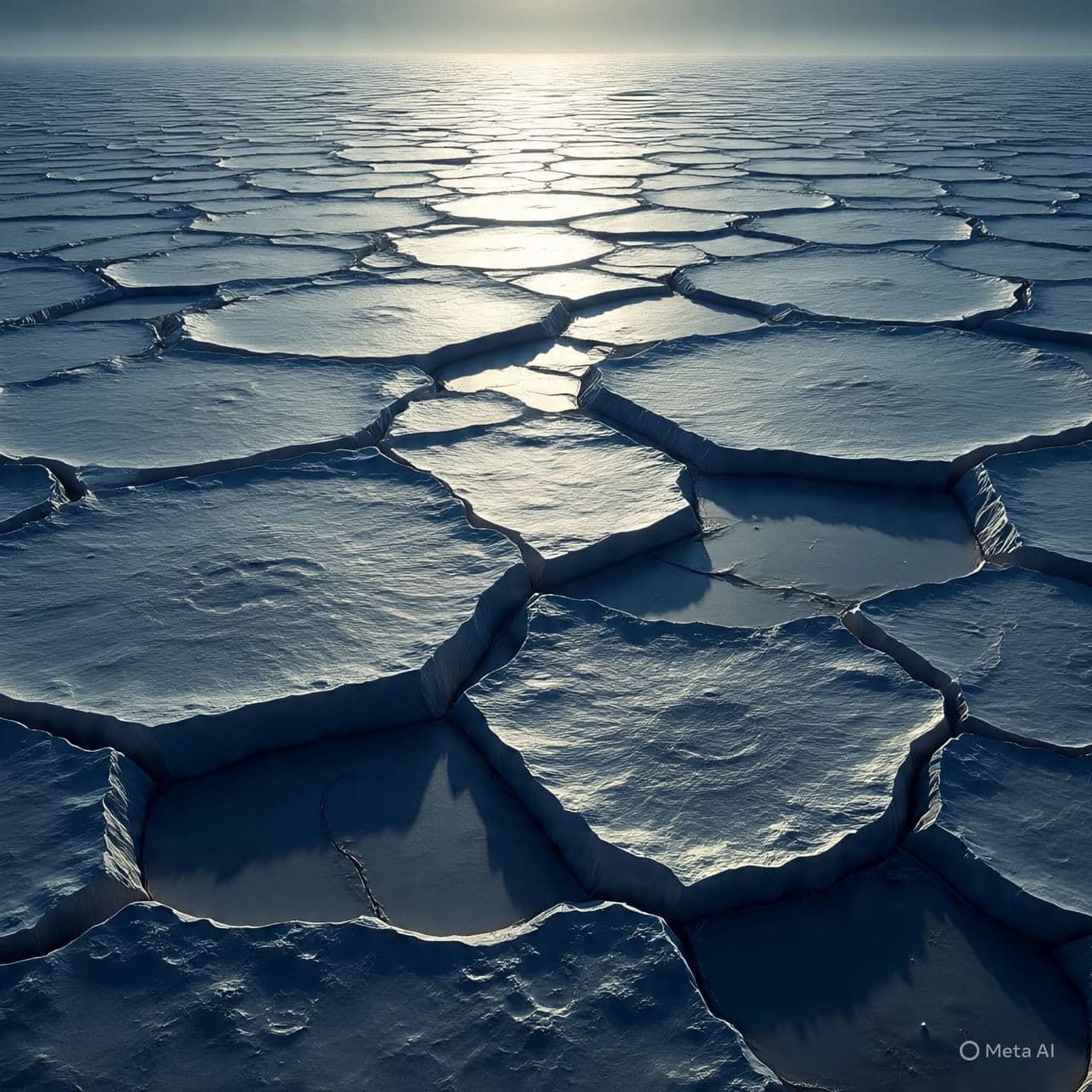
NASA now believes there may be hidden heat under the frozen surface of Saturn’s moon Enceladus — warmth far greater than conventional models predict. This is the same moon whose south pole geysers shoot salty water into space, so energetic that Cassini flew through the plume and tasted the chemistry.

The poetry here is scientific:

in the darkest corner of the solar system, energy is leaking through ice.

And that mixing — heat + water + minerals — is the classic triad of habitability. You don’t need sunlight when you have an internal engine. You don’t need continents when you have hydrothermal vents. Earth taught us that. The ocean floor taught us that. Life can start in chemical gradients, not daylight.

This is the philosophical pivot of the 21st century: space is not empty — it is a distributed network of potential rooms.

Enceladus might be one of those rooms.

Not a sci-fi Atlantis, not an ocean with dolphins of methane and glass, but microbial economics: simple organisms trading atoms in the dark. If the heat is real — and the models are pointing that way — then habitability becomes less conditional, less rare, less Earth-centric.

And one day, a future mission may drill, melt, or dive through that ice — not to find fantasy — but to verify whether chemistry and time were enough.

Published by Banx Network. This article is part of the Banx decentralized media programme, powered by the BXE token on the XRP Ledger.

#Moon#Space#Frozen
Decentralized Media

Powered by the XRP Ledger & BXE Token

This article is part of the XRP Ledger decentralized media ecosystem. Become an author, publish original content, and earn rewards through the BXE token.

Newsletter

Stay ahead of the news — and win free BXE every week

Subscribe for the latest news headlines and get automatically entered into our weekly BXE token giveaway.

No spam. Unsubscribe anytime.

Share this story

Help others stay informed about crypto news

Related articles

Keep exploring the latest stories.

View more
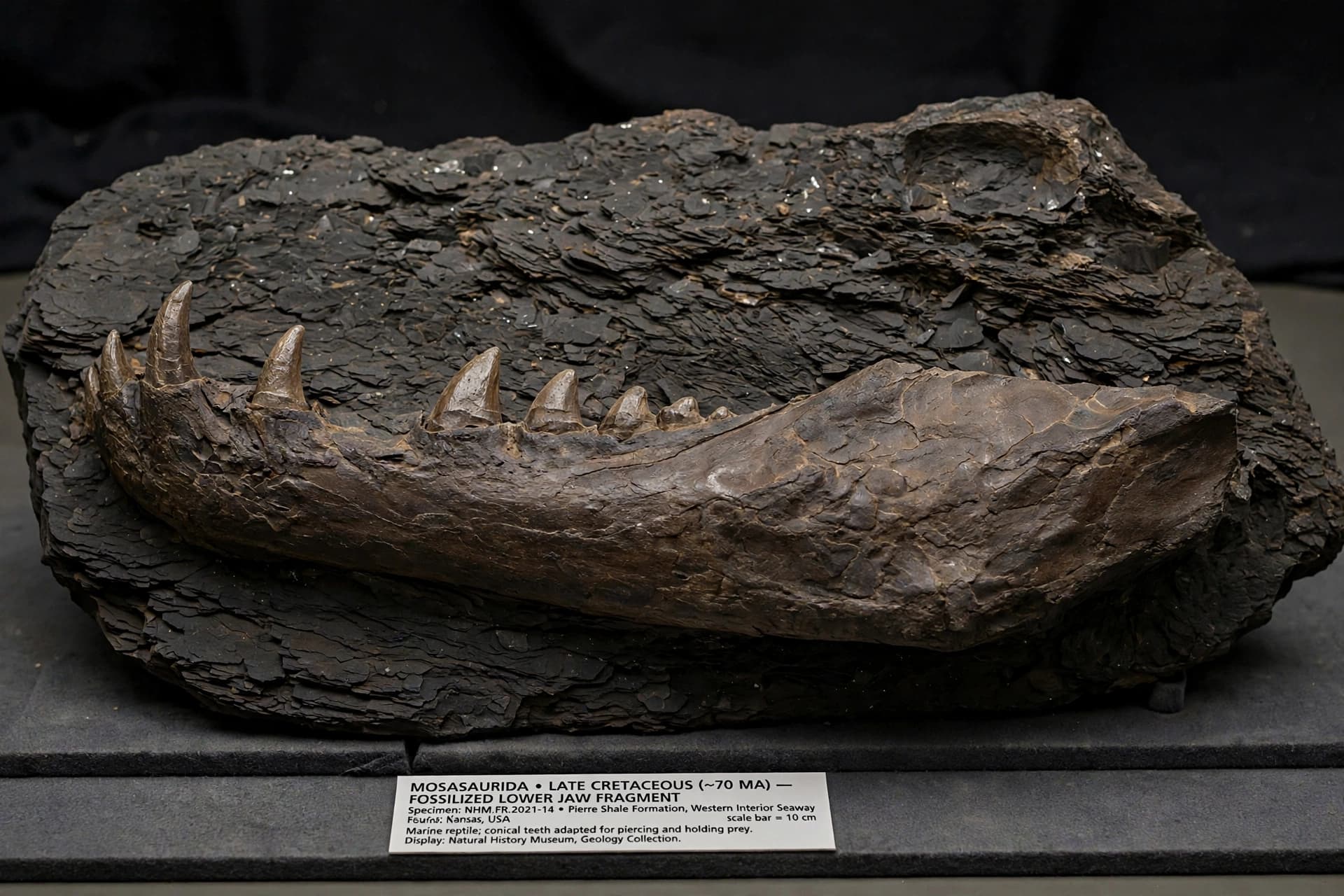
What Kind of Creature Needs Teeth as Long as a Steak Knife?

What Kind of Creature Needs Teeth as Long as a Steak Knife?

The Kronosaurus, an ancient marine reptile, possessed twelve-inch teeth used to slash prey, making it one of the most fearsome predators of the Cretaceous seas.

A Nuclear Clock That Listens for the Universe's Hidden Wave

A Nuclear Clock That Listens for the Universe's Hidden Wave

Scientists have demonstrated a thorium-229 nuclear clock with a feedback loop, a step toward timekeeping sensitive enough to detect ultralight dark matter's in…

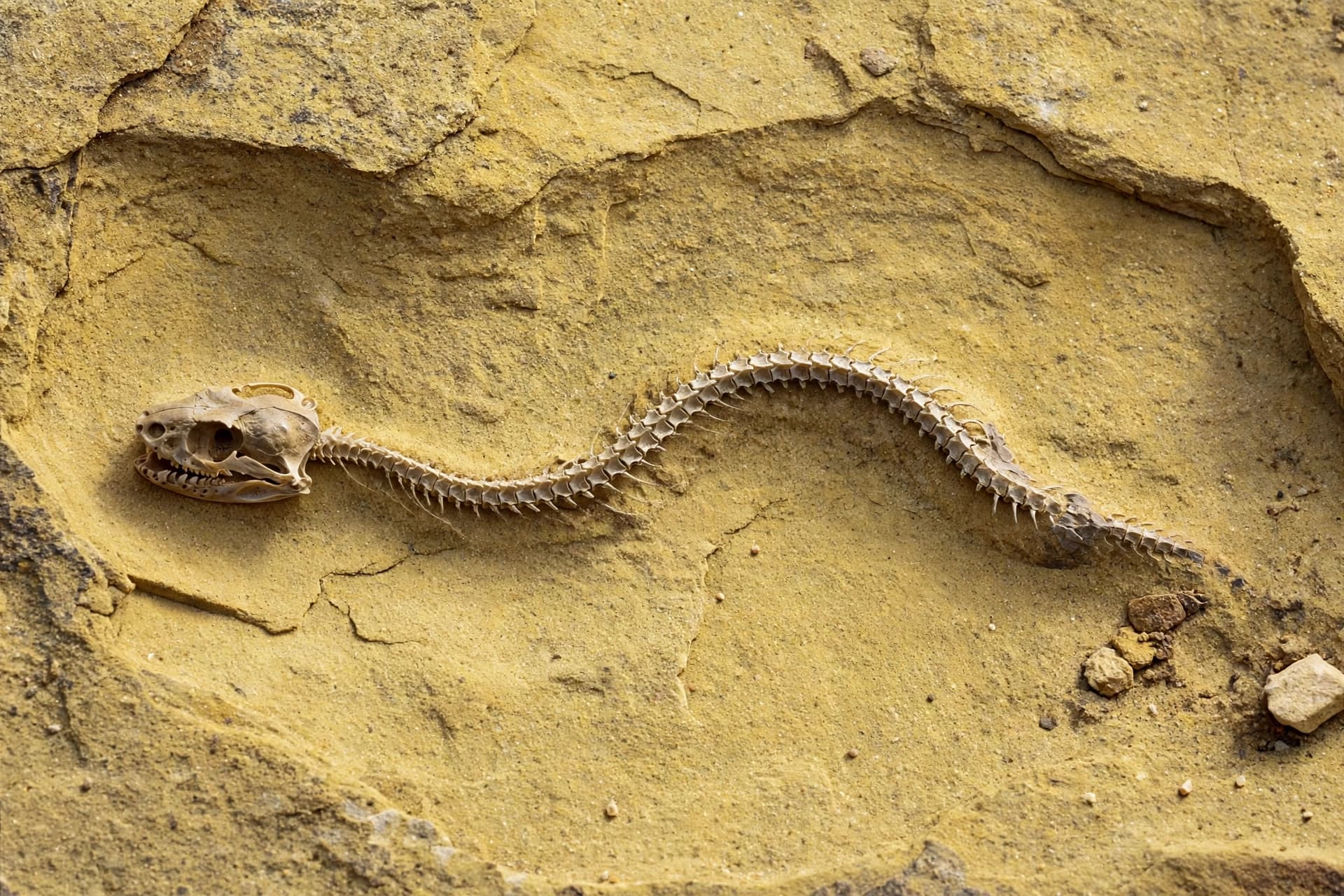
The Snake That Lived Underground While Dinosaurs Roamed

The Snake That Lived Underground While Dinosaurs Roamed

A 75-million-year-old snake fossil from Brazil, Tametara mirim, shows burrowing adaptations, revealing that early snakes were already diverse in anatomy and ha…