In medicine, few ideas have traveled as quickly from laboratory to supermarket shelf as gut health. Words once confined to academic journals now appear on yogurt lids and supplement bottles, promising balance, immunity, and renewal. Probiotics and prebiotics, paired in language and often in marketing, have become symbols of modern wellness. Yet familiarity does not always bring clarity.
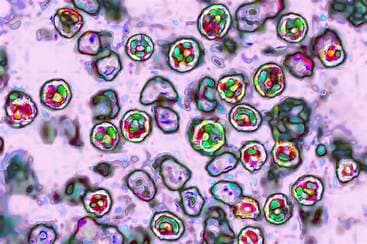
Probiotics are live microorganisms intended to confer health benefits when consumed in adequate amounts. Prebiotics, by contrast, are dietary fibers that nourish existing gut bacteria. The distinction matters, though it is often blurred. One introduces organisms; the other feeds them. Both operate within a microbial ecosystem that is complex, individualized, and still not fully understood.
Scientific evidence supports certain, limited uses of probiotics. Specific strains have shown benefit in preventing antibiotic-associated diarrhea and in managing select gastrointestinal conditions. Outside these targeted applications, results are inconsistent. Many probiotic products contain strains that have not been rigorously studied, or doses that do not match those used in clinical trials.
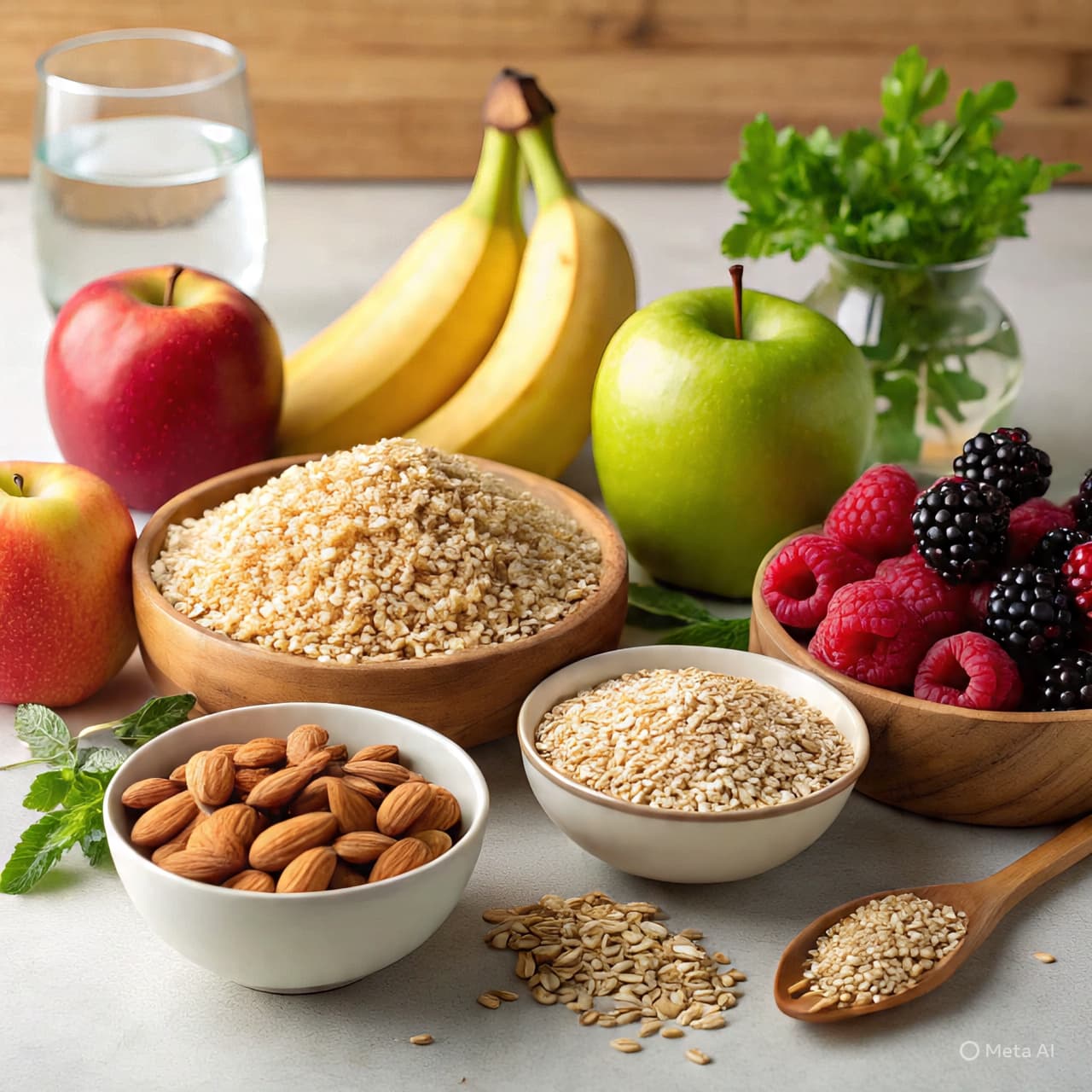
Prebiotics rest on firmer ground. Found naturally in foods such as onions, garlic, bananas, and whole grains, they encourage the growth of beneficial bacteria already present in the gut. Their effects tend to be slower and subtler, shaped by overall diet rather than quick intervention.
The largest myth surrounding both is universality. Gut microbiomes vary widely between individuals, influenced by genetics, environment, diet, and medication use. A supplement that benefits one person may do little for another. The idea of a single solution for digestive health remains unsupported.
Another misconception is immediacy. Improvements attributed to probiotics are often anecdotal, influenced by placebo effects or short-term changes. Sustainable gut health appears more closely tied to long-term dietary patterns than to isolated products.
Clinicians increasingly emphasize caution and realism. Probiotics are not cures, and prebiotics are not shortcuts. Neither replaces a diet rich in diverse plant-based foods, adequate fiber, and overall nutritional balance.
As research advances, the language around gut health may become quieter and more precise. For now, separating fact from myth requires resisting grand promises and returning to fundamentals. The microbiome responds less to novelty than to consistency.
In medical practice, probiotics and prebiotics occupy a modest place, useful in specific contexts but limited in scope. Their value lies not in hype, but in understanding where evidence ends and assumption begins.
Published by Banx Network. This article is part of the Banx decentralized media programme, powered by the BXE token on the XRP Ledger.