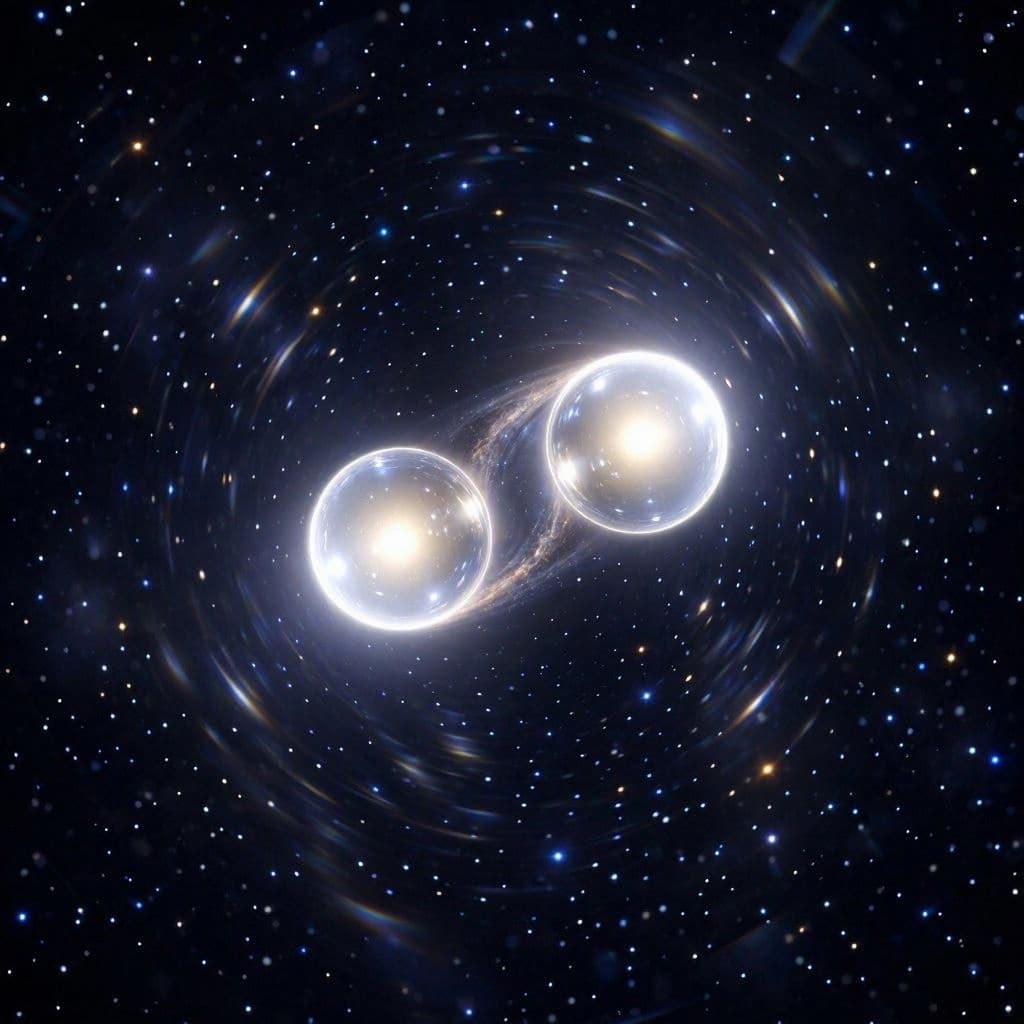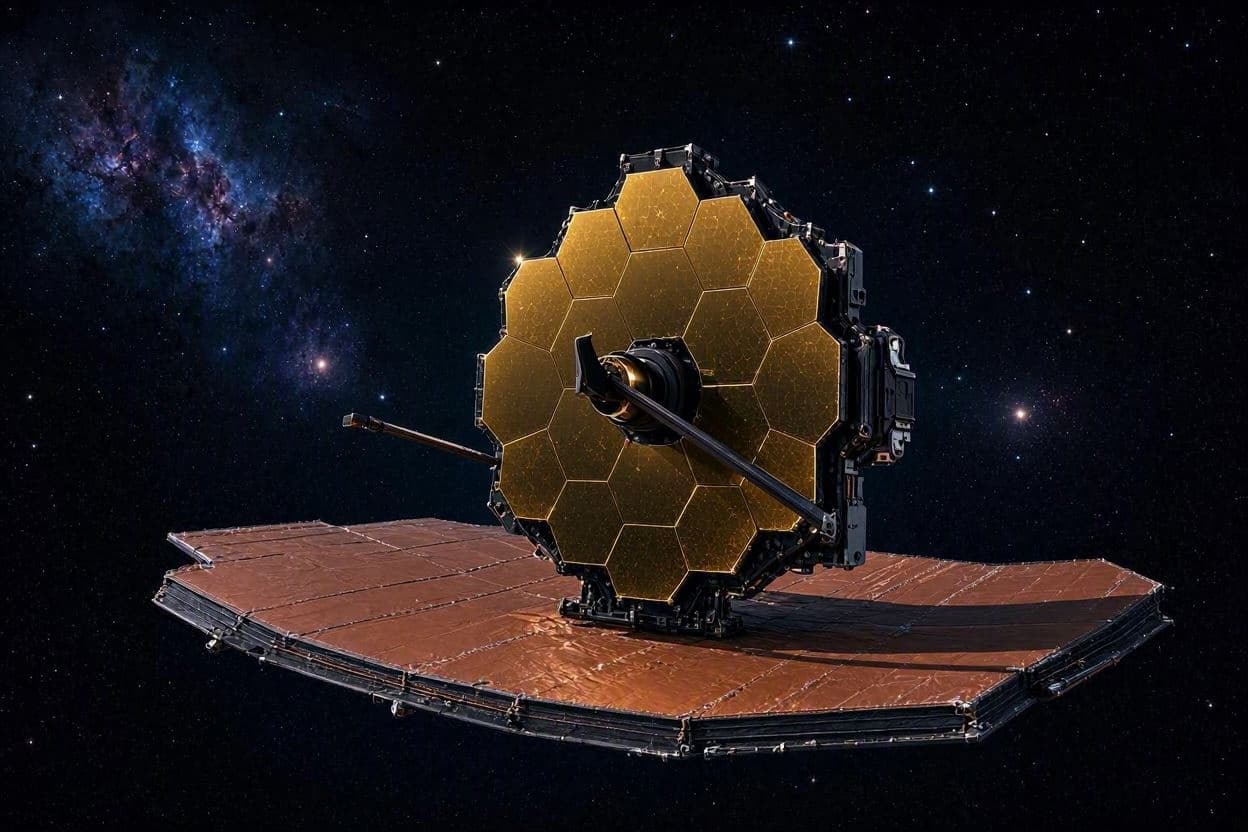
In the deep silence of the cosmos, where light struggles to escape the grip of gravity, the James Webb Space Telescope has identified an anomaly that challenges our understanding of stellar evolution. Dubbed a "black hole star," this newly discovered object appears to be a hybrid entity, blurring the lines between a dying star and the voracious singularity it may become. It is a finding that invites us to reconsider the final chapters of a star’s life.
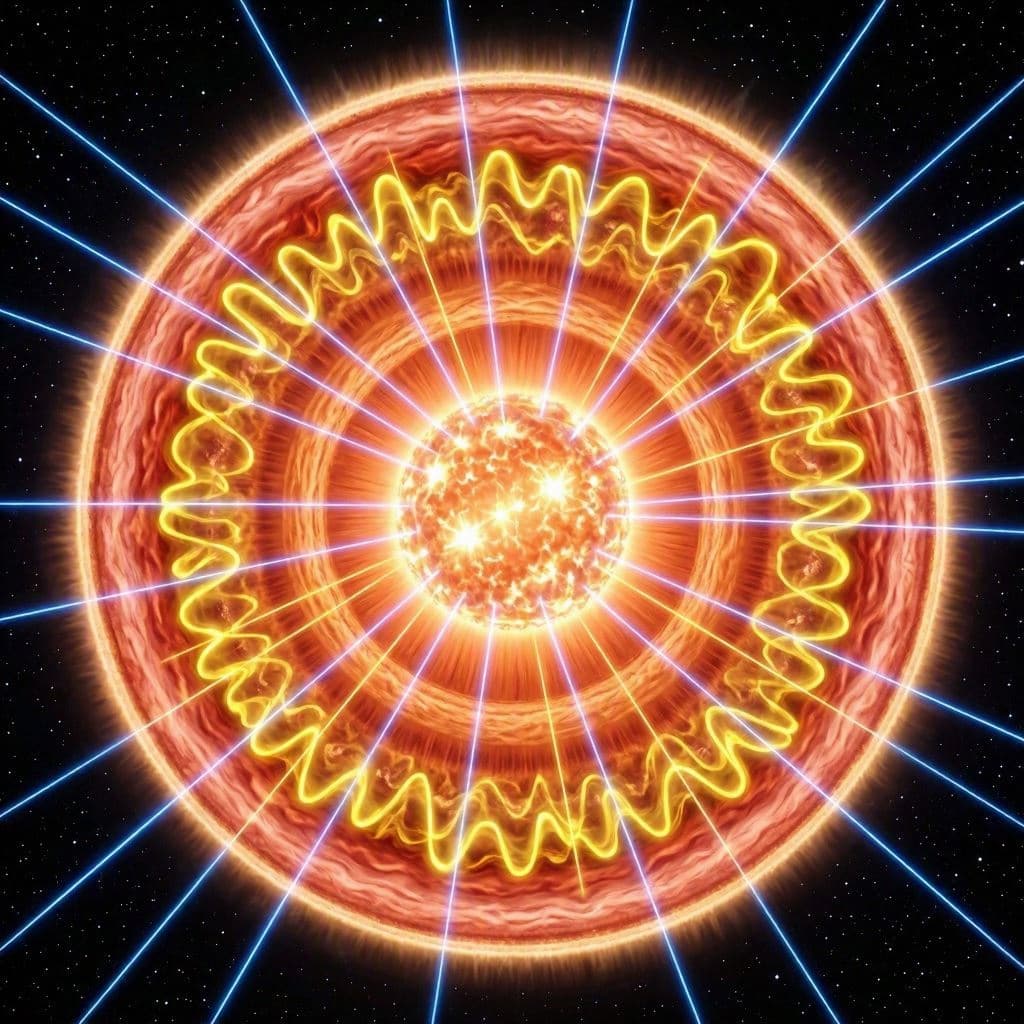
The term "black hole star" is not yet a formal classification but rather a descriptive label for an object that exhibits characteristics of both. Observations suggest a massive star that has collapsed inward, yet retains an outer layer of luminous material, creating a unique spectral signature. This duality offers a rare glimpse into the transitional phase where stellar death meets gravitational collapse.
Webb’s infrared capabilities were essential in piercing through the dust clouds that often obscure such events. By detecting heat signatures and specific chemical markers, the telescope revealed an object that is too dense to be a normal star but too bright to be a fully formed black hole. This intermediate state has long been theorized but rarely observed with such clarity.
The discovery raises intriguing questions about the mechanics of supernovae and direct collapse. In some models, massive stars may skip the explosive supernova phase entirely, collapsing directly into a black hole. This object might represent a stalled process, where the collapse is incomplete, leaving behind a strange, unstable remnant that defies simple categorization.
Astronomers are now analyzing the data to determine the mass and rotation of the object. These factors will help clarify whether it is a temporary phenomenon or a stable, albeit rare, class of celestial body. The implications for physics are significant, as such objects could test the limits of general relativity and quantum mechanics in extreme environments.
This finding also highlights the power of next-generation telescopes to reveal the unseen. What was once invisible or indistinguishable from background noise is now coming into focus, expanding the catalog of known cosmic phenomena. Each new discovery adds a piece to the puzzle of how the universe structures itself at the most extreme scales.
As researchers continue to study this "black hole star," they remain cautious yet excited. It serves as a reminder that the universe is still full of surprises, waiting for the right tools and the right perspective to bring them to light. The boundary between star and black hole may be more fluid than previously thought.
The identification of a "black hole star" by the Webb Telescope marks a pivotal moment in astrophysics. It opens a new window into the violent and mysterious processes of stellar death, inviting scientists to refine their models and deepen their understanding of the cosmos’s most enigmatic objects.
AI Image Disclaimer: Visual representations of this cosmic discovery are generated by artificial intelligence for illustrative purposes.
Sources: NASA Goddard Space Flight Center The Astrophysical Journal Space.com
Published by Banx Network. This article is part of the Banx decentralized media programme, powered by the BXE token on the XRP Ledger.