There is a particular achievement in returning to space—a recognition not just of competence but of the trust that comes with experience, with the knowledge that the person who flew before knows what it feels like to leave the planet and can be counted on to do it again. For one Washington state woman, that trust has been extended. U.S. Navy officer and NASA astronaut candidate has been selected for the agency's next crewed mission, marking her return to space and adding another chapter to a career that has already taken her from the Pacific Northwest to orbit.
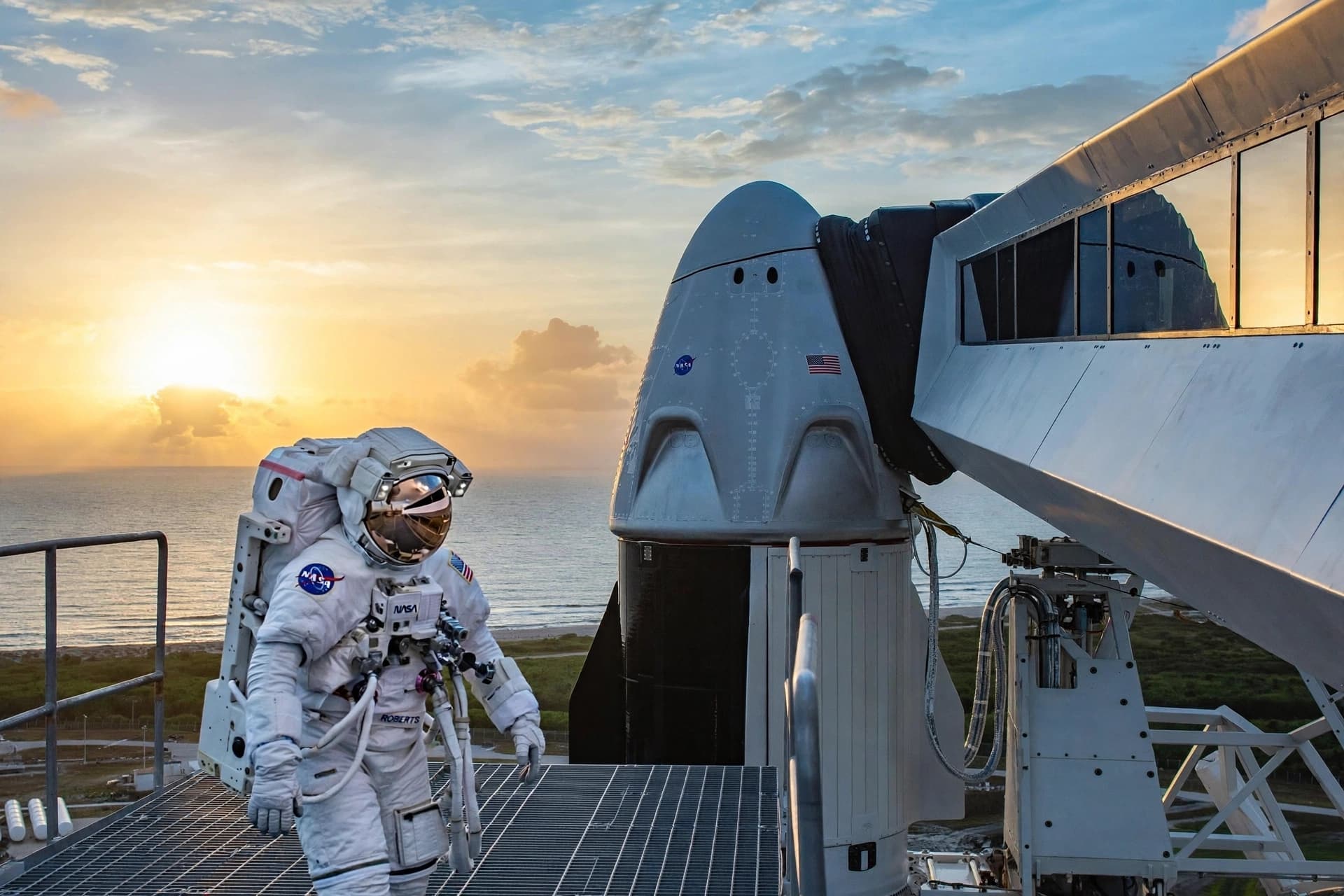
The astronaut, whose name has not been widely released in advance of the official NASA announcement, is a Washington native and a serving Navy officer. She flew previously as part of a NASA mission and has been training for the upcoming flight, which is expected to launch to the International Space Station on a SpaceX Crew Dragon spacecraft. The mission will continue the rotation of crews aboard the orbital outpost, maintaining the human presence that has been continuous since 2000.
Her path to space is one that has become increasingly familiar: military service, advanced technical training, and selection as an astronaut candidate. The Navy has long been a source of astronauts for NASA, providing pilots and officers with the discipline, technical skill, and experience in high-stakes environments that spaceflight demands. For Washington state, her return to space is a point of pride—a reminder that the region produces not just software and coffee but also people who leave the planet.
The mission she will join is part of NASA's Commercial Crew Program, which has restored American capability to launch astronauts from U.S. soil. Since the program began, SpaceX's Crew Dragon has become the primary vehicle for astronaut transport, ending reliance on Russian Soyuz spacecraft. The upcoming mission will be one of several planned over the next year, continuing the scientific research and technology demonstrations that have characterized the ISS program for more than two decades.
For the astronaut herself, the return to space is likely to be a mixture of familiarity and new experience. She knows what it feels like to launch on a rocket, to float in microgravity, to see the Earth from above. But each mission is different—different crew, different experiments, different moments of discovery. The training for a return flight is not as long as for a first flight, but it is no less rigorous. The stakes are the same: the safety of the crew, the success of the mission, and the continuation of a human presence in orbit that has become a symbol of what nations can achieve together.
AI Image Disclaimer: The visual elements in this article were created using AI generation tools and are intended for illustrative purposes only.
Sources: KING 5, NASA, U.S. Navy
Published by Banx Network. This article is part of the Banx decentralized media programme, powered by the BXE token on the XRP Ledger.