In the quiet suburbs of Northern Virginia, where summers are typically marked by humidity and backyard gatherings, a new health concern has emerged. Health officials have confirmed the first documented case of locally acquired dengue fever in the state. The patient, who had not traveled recently to areas where the virus is endemic, contracted the illness from a local mosquito. This development marks a significant shift in the region’s public health landscape, highlighting the changing dynamics of vector-borne diseases.
The Virginia Department of Health (VDH) announced the case in early August 2026, noting that the individual had been bitten by a mosquito within the state. Dengue fever, often called "breakbone fever" due to the severe joint and muscle pain it causes, is common in tropical and subtropical regions but has rarely been transmitted locally in the continental United States. The presence of the Aedes aegypti mosquito, the primary vector for the virus, has been increasing in recent years due to warmer temperatures and urbanization.
Health authorities are currently investigating the source of the infection and conducting surveillance in the affected area. They have urged residents to take precautions against mosquito bites, such as using repellent, wearing long sleeves, and eliminating standing water where mosquitoes breed. While the risk of widespread transmission remains low, the case serves as a warning that climate change is expanding the range of diseases once confined to other parts of the world.
Symptoms of dengue include high fever, severe headache, pain behind the eyes, and rash. Most people recover within a week, but severe cases can lead to dangerous complications. Healthcare providers in Virginia are being advised to consider dengue in their differential diagnosis for patients with compatible symptoms, even if they have no travel history. Early detection and supportive care are key to managing the illness.
This case is part of a broader trend of increased dengue activity in the U.S. In 2024 and 2025, several states reported locally acquired cases, prompting the Centers for Disease Control and Prevention (CDC) to issue alerts. The rise in cases underscores the need for robust public health infrastructure and community awareness. It also highlights the importance of global cooperation in monitoring and controlling mosquito populations.
For the affected resident, the experience has been challenging but manageable with medical support. Local communities have responded with increased vigilance, participating in cleanup efforts to reduce breeding sites. This collective action demonstrates the power of community engagement in protecting public health.
The first locally acquired case of dengue in Virginia is a notable event that requires attention but not alarm. By staying informed and taking simple preventive measures, residents can protect themselves and their neighbors. Public health officials continue to monitor the situation closely, ensuring a swift response to any further developments.
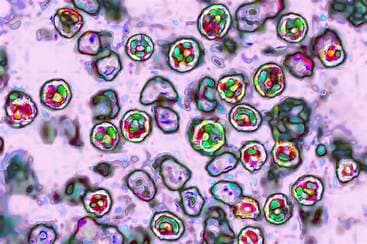
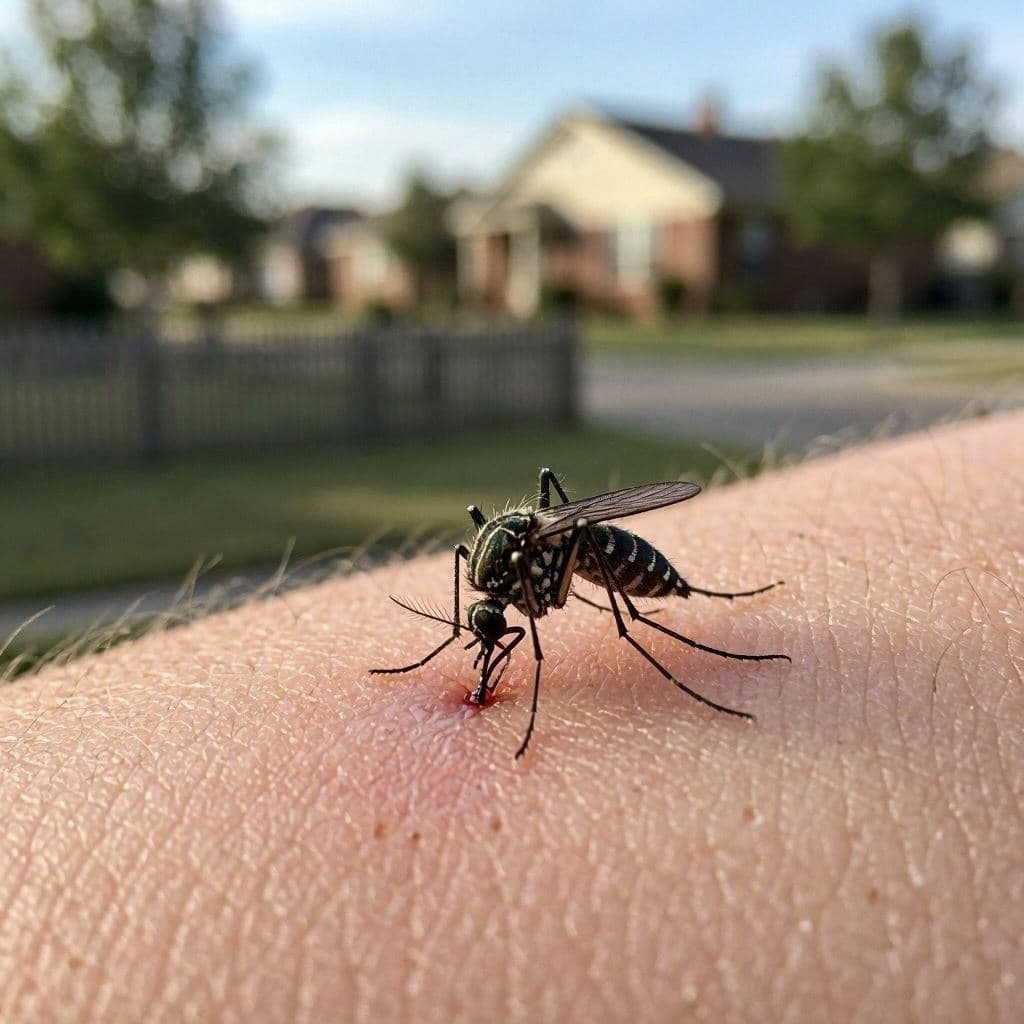
AI Image Disclaimer: Visuals associated with this article are AI-generated to illustrate the themes of public health and vector control.
Sources: Virginia Department of Health The Washington Post CDC
Published by Banx Network. This article is part of the Banx decentralized media programme, powered by the BXE token on the XRP Ledger.